Discover · By Region
The Oslo Coffee Scene: A Local Guide
How a small Nordic city rewired the world's coffee defaults — and where to taste the results
We may earn a commission when you buy through links on this page, at no additional cost to you.
Key facts
- Location
- Oslo, Norway
- Key Influence
- Popularized light roast coffee globally
- Core Philosophy
- Preserve bean origin character through precise roasting
- Epicenter
- Tim Wendelboe roastery on Grünerløkka
- International Reach
- Influence spread to Copenhagen, London, Tokyo, Melbourne
What Makes Oslo's Coffee Scene Different
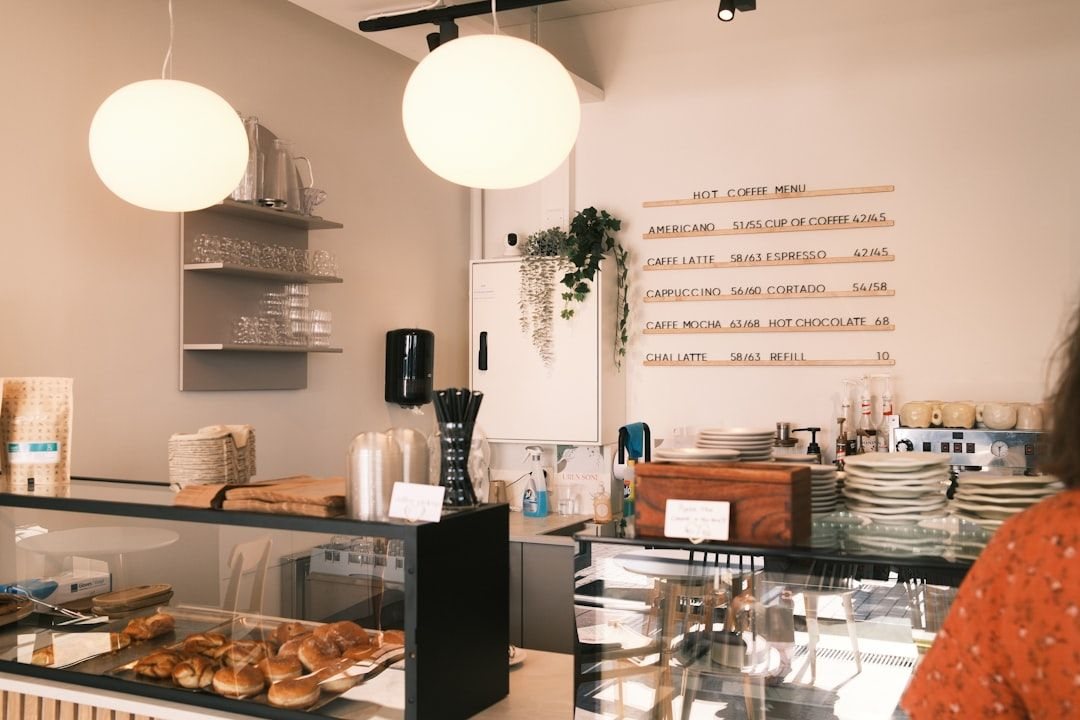
Order an espresso in Oslo and something unusual happens: it tastes bright, fruit-forward, and clean rather than bitter and chocolatey. That is not an accident. Over the past two decades, a cluster of Oslo-based roasters helped popularise what we now call the light roast approach — stopping the roast early enough to preserve the origin character of the bean rather than burning it into a generic caramel note. The influence spread from Grünerløkka to Copenhagen, London, Tokyo, and Melbourne, making Oslo one of the most consequential coffee cities of the twenty-first century.
The scene is anchored in a few principles: obsessive sourcing (often directly from farms), precise roasting calibrated to cup quality rather than tradition, and a service culture that is knowledgeable without being precious. Understanding those principles is the fastest way to understand why a visit to Oslo's coffee bars feels so different from almost anywhere else.
Tim Wendelboe: The Epicentre
No honest account of Oslo coffee begins anywhere other than Tim WendelboeShop ↗. Wendelboe's espresso bar and roastery on Grünerløkka's Thorvald Meyers gate is a compact, unpretentious room that happens to be one of the most influential coffee addresses on earth. Per his own site, the operation ships freshly roasted coffee worldwide via DHL Express every week and offers in-house coffee tastings and roastery tours — a rare combination of accessibility and rigour.
What sets Wendelboe apart is the depth of integration between roasting and sourcing. His website lists farms by name — Finca el Puente, Finca Tamana, Echemo, Los Pirineos, Karogoto, Nacimiento, Tatmara Coffee Plantation, Finca el Suelo — suggesting a level of producer relationship unusual even within specialty coffee. The company also publishes transparency reports and maintains what it calls the TW Biological Project, framing environmental responsibility as part of the core offer rather than a marketing footnote.
For the drinker, this translates to cups that taste specifically of where they came from. A washed Ethiopian from Wendelboe does not taste generically "Ethiopian"; it tastes of a particular farm, harvest, and processing decision. That specificity is a direct consequence of the light roast philosophy: the roaster steps back so the terroir can speak. If you want to understand what the third wave coffee movement actually accomplished technically, an afternoon at Tim Wendelboe's counter is the clearest tutorial available.
The espresso bar offers both filter and espresso preparations, and the team runs structured tasting sessions that function almost as an abbreviated version of the SCA cupping protocol — an unusually educational retail experience. Subscriptions and wholesale accounts are available for those who want the coffee after they leave Oslo.
Fuglen: Design, Cocktails, and Exceptional Filter
A short walk from Wendelboe's roastery, Fuglen (per its site) occupies a 1960s-furnished space on Ullevålsveien that doubles as a vintage design shop and, after dark, a cocktail bar. The coffee program is serious: Fuglen has long been associated with the same light-roast, high-clarity approach that defines the Oslo style, and the bar has expanded internationally — there are Fuglen outposts in Tokyo and New York — carrying the Norwegian aesthetic abroad.
For visitors, the daytime filter coffee experience is particularly worth seeking out. The room's mid-century furniture and unhurried pace make it an excellent place to slow down and pay attention to what is in the cup, which is exactly what good filter coffee rewards. Fuglen is not formally profiled in our shop at the time of writing, but its site (fuglen.com) documents the current coffee menu and bar programme.
Talor & Loreto: Neighbourhood Intimacy
Talor & Loreto (per their site, talor.no) occupies a different register from the flagship roastery model. Founded by Talor Browne and Lor Stoneham, the café operates with an explicitly neighbourhood-focused ethos — the kind of place where regulars are known by name and the room feels less like a coffee destination and more like an extension of the street outside. The coffee, however, meets the same high standard the Oslo scene demands.
The roastery produces small batches, and the bar programme reflects a commitment to both espresso and filter methods without fetishising either. For travellers tired of trophy cafés that prioritise Instagram over hospitality, Talor & Loreto offers a useful corrective. It is not currently profiled in our shop, but the roastery's site documents current offerings.
Supreme Roastworks: Bridging Specialty and Accessibility
Supreme Roastworks (supremeroastworks.com, per their site) takes a slightly different angle: the roastery is explicit about wanting specialty coffee to be approachable rather than intimidating. The aesthetic is warmer and more casual than the spare minimalism of some Oslo competitors, and the coffee range is calibrated to welcome drinkers who are curious but not yet fluent in specialty vocabulary.
That positioning is strategically important for the scene as a whole. A city where every café demands prior knowledge eventually repels the curious newcomer; Supreme's accessibility creates an on-ramp. The coffee still reflects the Norwegian light-roast sensibility — transparency, origin clarity, careful sourcing — but delivered without the insider premium that can make specialty coffee feel exclusionary. Supreme is not currently listed in our shop, but their site details current roasts and stockists.
The Norwegian Light-Roast Philosophy
To understand Oslo coffee you have to understand what the light roast approach actually changes in the cup. Coffee beans are, at the point of harvest, the processed seed of a fruit — the coffee cherry. As Wikipedia's overview of coffee production notes, ripe red cherries have higher aromatic oil content and lower organic acid content than unripe fruit, making them more fragrant, smooth, and mellow. The roasting process then transforms those chemical compounds: the longer and hotter the roast, the more the origin character is replaced by roast character — the bitterness and carbon notes associated with darker styles.
Norwegian roasters, led in profile by Wendelboe and his contemporaries, leaned systematically toward roast levels that preserve rather than mask origin character. This aligns directly with the sourcing investment they make: if you have paid for and developed a relationship with a specific farm (say, one of the named farms on Wendelboe's site), burning the bean to a generic profile wastes that investment. Light roasting is therefore not just an aesthetic preference but a logical extension of direct-trade sourcing.
The approach also changed how Oslo roasters think about espresso. Darker roasts were historically preferred for espresso because high-temperature extraction forgave inconsistency — bitterness masked defects. Light-roasted espresso is less forgiving technically but more revealing when executed well. Oslo cafés trained their baristas accordingly, producing a generation of operators comfortable with the precision that cupping and calibration-focused service demands.
This philosophy eventually became a global template. What began as a Scandinavian idiosyncrasy is now the default register of serious specialty coffee everywhere from Seoul to São Paulo.
Practical Visitor Information
Getting around: The Oslo coffee scene is walkable at its core. Tim Wendelboe's roastery, Fuglen, and several other notable bars cluster in and around the Grünerløkka neighbourhood on the east side of the city. The area is easily reached by tram from the centre.
When to visit: Oslo cafés tend to open early (many by 08:00) and close by early evening. The weekend brunch window, roughly 10:00–14:00, is the busiest period at most specialty spots — arrive slightly before or after if you want a counter seat and space to concentrate.
What to order:
- Washed filter coffee — the format that most clearly showcases the light-roast philosophy. Ask what the barista recommends that day.
- Espresso (short) — almost universally brewed with light-roasted beans, often from a single origin. Expect something closer to a sparkling fruit note than the caramel intensity of Italian-style espresso.
- Avoid adding milk if possible — at least for the first cup. Milk softens the clarity that makes Oslo coffee distinctive; try the drink black first, then decide.
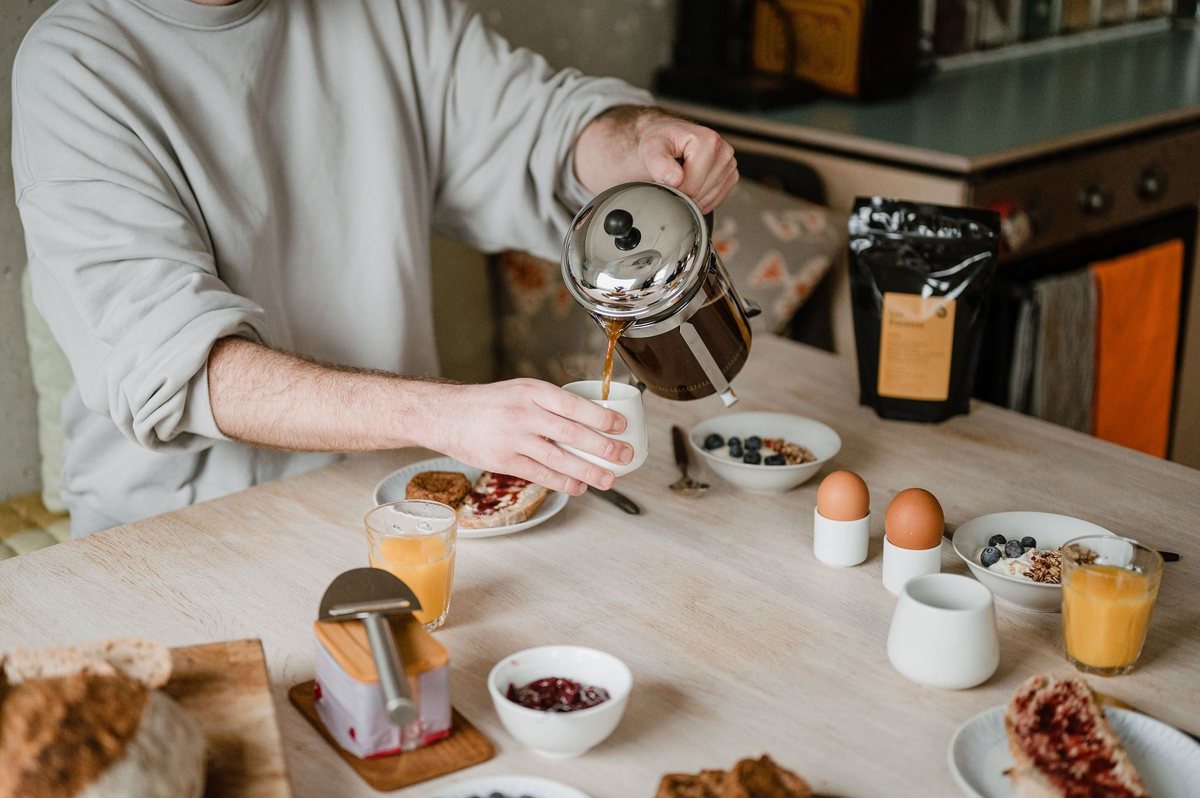
Bringing coffee home: Tim Wendelboe ships internationally and lists subscriptions on his site. If you want to recreate the experience, note that their coffees are roasted fresh and dispatched weekly — timing your order accordingly matters more than it might with mass-market beans.
Budget: Oslo is an expensive city. Expect to pay more for a filter coffee here than in most European capitals. The quality justifies it, but factor it into your planning.
Why Oslo Matters Beyond Oslo
Cities do not usually export coffee culture — they import it from producing countries and refine it locally. Oslo is an exception. The specific combination of factors — a small, well-educated domestic market with high disposable income and low tolerance for mediocrity, a handful of unusually talented and well-travelled roasters, and a willingness to challenge the Italian espresso orthodoxy that dominated European coffee for decades — produced a scene that punched enormously above its weight.
The third wave coffee movement has many origin stories, but Oslo's contribution is legible and specific: it demonstrated that light-roasted, single-origin coffee served with transparency about sourcing and processing was not a niche curiosity but a commercially viable and globally scalable model. Roasters from Tokyo to Melbourne credit the Scandinavian example as a formative influence.
For the coffee traveller, that history gives Oslo visits a weight beyond the cup itself. You are not just drinking very good coffee; you are drinking in the place where many of the assumptions now taken for granted in specialty coffee were first tested at scale. That context makes the experience worth the airfare.
Roasters featured
Frequently asked questions
- Is Oslo's coffee scene worth a dedicated visit?
- If specialty coffee is a serious interest, yes. Oslo contains some of the most influential roasters in the world — particularly Tim Wendelboe — in a walkable cluster. The scene is mature enough that even a single day in Grünerløkka will give you a clear sense of why the Norwegian approach changed global coffee culture.
- What makes Norwegian coffee taste different from Italian-style espresso?
- Norwegian roasters favour a light-roast approach that preserves the natural fruit and floral characteristics of the coffee bean rather than developing the caramel and bitter notes associated with darker roasts. The result is brighter, more acidic, and more origin-specific in flavour — closer to fruit juice in aroma than to dark chocolate.
- Can I buy Tim Wendelboe coffee outside Norway?
- Yes. Per the Tim Wendelboe website, the roastery ships worldwide via DHL Express, with freshly roasted coffee dispatched every week. Subscriptions are available alongside single purchases.
- Which Oslo roasters are available in your shop?
- Currently, Tim Wendelboe is the Oslo roaster we stock and profile — you can browse their range at /shop/roasters/tim-wendelboe. Fuglen, Talor & Loreto, and Supreme Roastworks are mentioned in this guide for completeness but are not yet listed in our shop.
- What is the best neighbourhood to explore Oslo coffee?
- Grünerløkka on the east side of the city is the natural starting point — it is home to Tim Wendelboe's roastery and within easy walking distance of several other notable cafés. The area is accessible by tram from the city centre.
- Do Oslo cafés cater to people who are new to specialty coffee?
- Most do, though the experience varies by venue. Supreme Roastworks is explicitly oriented toward accessibility, while Tim Wendelboe's tasting sessions are more structured and educational. Most baristas in Oslo speak excellent English and are happy to guide first-time visitors through the menu.
See also