Knowledge · plant
The Coffee Plant
The genus Coffea, its commercially dominant species, cultivar diversity, and the interplay of genetics and terroir that defines coffee quality
Key facts
- Plant Family
- Rubiaceae (madder family)
- First Described
- Carl Linnaeus in 1753
- Accepted Species
- 133 species and one hybrid
- Dominant Species
- Arabica (55–60%) and Robusta (45%)
- Arabica Growing Altitude
- 1,200–1,500 m, up to 2,800 m
- Arabica Flavor Profile
- Sweeter, higher acidity, richer and complex
- Robusta Flavor Profile
- Strong, full-bodied with bitterness and earthiness
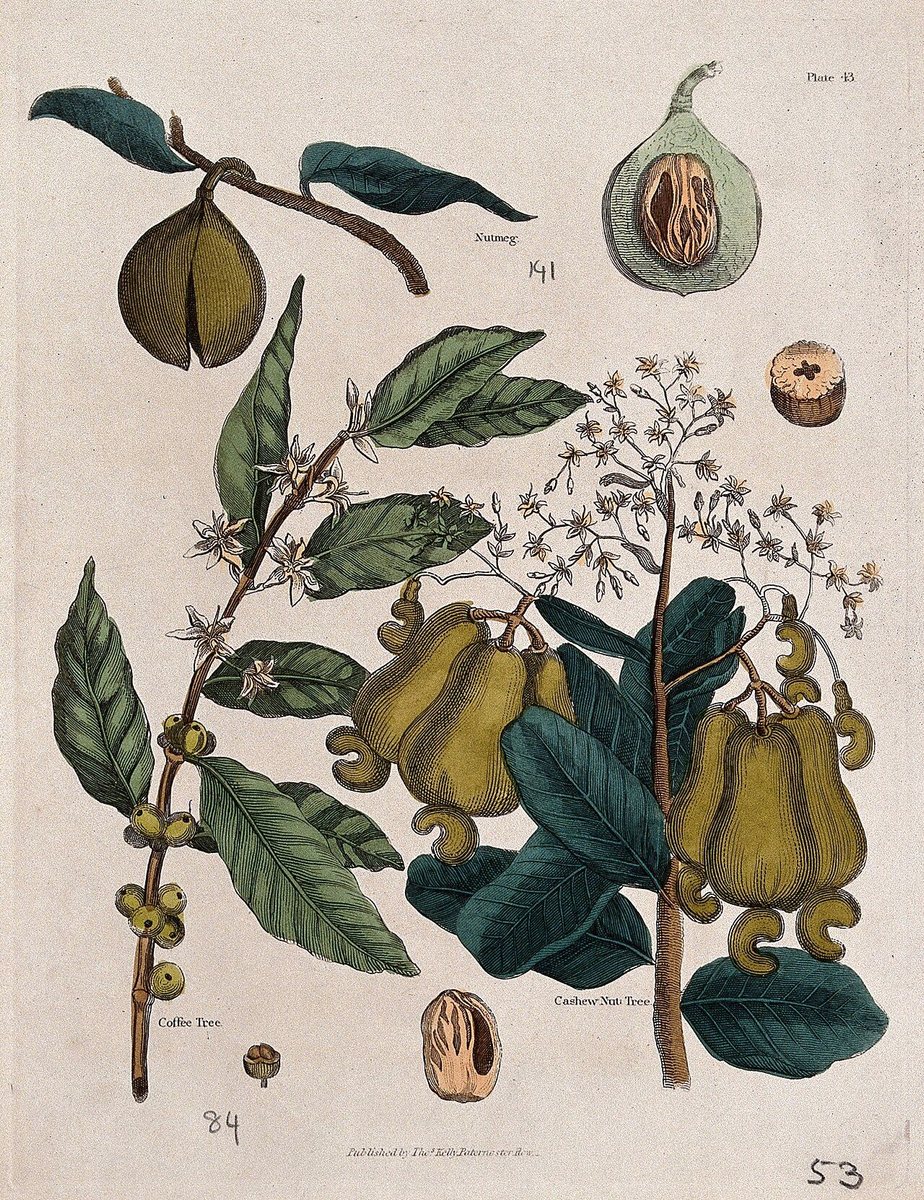
The Genus Coffea
Coffea is a genus of flowering plants in the family Rubiaceae (the madder family), comprising shrubs and small trees native to tropical and southern Africa and tropical Asia. The genus and its type species, Coffea arabica, were first formally described by Carl Linnaeus in 1753. Since then, botanical exploration has steadily expanded its boundaries: as of early 2026, Plants of the World Online recognises 133 accepted species and one hybrid.
The genus is still growing. In 2008 and 2009, researchers from the Royal Botanic Gardens, Kew, named seven new species from the mountains of northern Madagascar alone. That same year, two species were identified in Cameroon — including Coffea charrieriana, which is notably caffeine-free — opening theoretical doors to naturally decaffeinated breeding lines. In 2011, the twenty species of the former genus Psilanthus were absorbed into Coffea on the basis of overwhelming morphological and genetic similarity, extending the genus's native distribution to tropical Asia and Australasia.
A landmark coffee genome publication in 2014 identified more than 25,000 genes and revealed that coffee plants evolved the capacity to synthesise caffeine using a different set of genes from those found in tea (Camellia) or cacao (Theobroma) — a striking example of convergent evolution. A comprehensive phylogeny published in 2017 suggested Africa or Asia as the likely ancestral origin of the genus, with several independent radiations across Africa, Asia, and the Western Indian Ocean Islands.
Despite this diversity, global commerce depends overwhelmingly on just two species, and a third holds regional and emerging significance.
Two Dominant Species — and One Rising Third
The coffee trade is built almost entirely on a narrow genetic base. Coffea arabica and Coffea canephora together account for virtually all commercially produced coffee, with Coffea liberica constituting a small but culturally and agronomically notable remainder.
Coffea arabica — Arabica
Coffea arabica is widely regarded as the first cultivated coffee species and remains dominant, accounting for approximately 55–60% of global production depending on the source. Its natural populations are restricted to the montane forests of south-western Ethiopia, South Sudan, and Yemen.
Genetically, Arabica is unusual within the genus: it is an allotetraploid, carrying four copies of eleven chromosomes (44 total), arising from a ancient hybridisation between the diploids C. canephora and C. eugenioides. This hybridisation event is estimated to have occurred between roughly 543,000 and 1.08 million years ago, linked to shifting environmental conditions in East Africa.
In cultivation, Arabica thrives at altitudes commonly between 1,200 and 1,500 m, though plantations exist from sea level to as high as 2,800 m. It performs best at average temperatures of 15–24 °C and annual rainfall of approximately 1.2–1.8 metres, evenly distributed. It prefers light shade and well-drained soils. The plant takes approximately seven years to mature fully, producing small white, highly fragrant flowers three to four years after planting.
From a sensory standpoint, Arabica beans are associated with sweeter taste, higher acidity, and a richer, more complex flavour profile compared to Robusta, partly because the plant contains more sugar (around 6–9%) and somewhat lower caffeine (approximately 0.8–1.4%).
Coffea canephora — Robusta
Coffea canephora, commercially known as Robusta, originates in central and western sub-Saharan Africa, growing indigenously from Liberia across to Tanzania and south to Angola. It was not formally recognised as a distinct species until 1897 — more than a century after Arabica's description.
Robusta accounts for roughly 45% of global production. Its cultivation is concentrated in Vietnam (where French colonists introduced it in the late 19th century), as well as Uganda, Indonesia, India, and Brazil — where the conilon variety is widely grown.
The plant is physiologically and agronomically distinct from Arabica in several important ways:
- It grows as a robust shrub or tree to around 10 metres, with a shallow root system.
- It is significantly more resistant to pests and disease and requires less herbicide and pesticide.
- It contains markedly more caffeine — approximately 2.7% versus Arabica's 1.5% — and less sugar (3–7% versus 6–9%).
- It tolerates warmer conditions, performing well at 24–30 °C, at lower altitudes than Arabica.
- Berries take approximately 10–11 months to ripen.
In the cup, Robusta produces a strong, full-bodied brew with pronounced bitterness and earthy, woody flavours, distinct from Arabica's fruitier character. While often used as a filler in lower-grade blends, high-quality Robusta is valued in Italian espresso culture for contributing body and crema, and growing interest from specialty roasters has begun to reframe the species's reputation.
Coffea liberica — Liberica
Coffea liberica is the most commercially significant of the remaining species, noted as a lesser-known species grown for consumption alongside C. racemosa. Native to West and Central Africa, it is cultivated primarily in parts of the Philippines, Malaysia, and West Africa, where it holds cultural importance. Its large beans and distinctly bold, sometimes smoky or floral flavour profile set it apart from both Arabica and Robusta. Though it represents a small fraction of global trade, Liberica is increasingly discussed in the context of climate resilience, given its tolerance of conditions where Arabica struggles.
For a detailed comparison of all three species, see Coffee Species: Arabica, Robusta & Liberica.
Varieties, Cultivars, and the Meaning of Genetic Diversity
Below the species level lies an intricate world of varieties and cultivars that has enormous implications for flavour, disease resistance, and agricultural viability. Within Coffea arabica alone, hundreds of named varieties exist — from traditional heirloom landrace populations in Ethiopia, to long-established varieties such as Typica and Bourbon that spread from Yemen across the globe, to modern F1 hybrid cultivars developed through formal breeding programmes.
The concept of a cultivar (cultivated variety) matters because genetic differences between plants — even within a single species — can produce meaningfully different cup profiles, yield levels, and responses to environmental stressors. The narrow genetic base of cultivated Arabica, itself a product of a single ancient hybridisation, makes diversity within the species both precious and fragile.
DNA fingerprinting techniques, proven effective for coffee in a 2020 study using SSR marker analysis, are beginning to enable greater traceability and transparency across the supply chain, as well as improved guidance for farmers on their plants' susceptibility to pests and disease.
For a full treatment of named varieties, their lineages, and cup characteristics, see Coffee Varieties & Cultivars. For the science of breeding and genomics, see Coffee Genetics & Breeding.
The Fruit: Anatomy of a Coffee Cherry
Coffee is the seed of a fruit — a point that anchors much of its flavour science. The coffee cherry (botanically, an epigynous berry or indehiscent drupe, depending on species) ripens to red or purple and typically encloses two seeds positioned flat-side together. These seeds are the "beans." In approximately 5–10% of fruits, only one seed develops, forming a smaller, rounded peaberry.
The cherry's layers — from outer skin (exocarp) through the mucilaginous pulp to the inner parchment and silver skin — all interact with the seed during post-harvest processing, influencing the final flavour of the green bean. The fruit and leaves also contain caffeine and have historically been used to prepare beverages such as coffee cherry tea (qishr) and coffee-leaf tea.
The Ecology of Caffeine
Caffeine is not merely a human stimulant — for the coffee plant, it serves a dual ecological function. It acts as a natural pesticide, providing some defence against insects and other herbivores. Simultaneously, it functions as a pollinator attractant: caffeine creates an olfactory memory in honeybees that encourages them to return to the plant's flowers.
Not all Coffea species contain caffeine. Caffeine appears to have evolved independently in multiple lineages within the genus, possibly in response to high pest pressure in the humid environments of West-Central Africa. The parallel independent evolution of caffeine biosynthesis in coffee, cacao, and tea — via different gene sets — is one of the more remarkable examples of convergent molecular evolution in the plant kingdom.
Insect pests that affect coffee production include the coffee borer beetle (Hypothenemus hampei) and the coffee leafminer (Leucoptera caffeina), both of which represent significant agricultural threats.
Growing Conditions and Their Effect on the Cup
Genotype sets the ceiling of a coffee's potential; terroir — the sum of altitude, climate, soil, and shade — determines how much of that potential is realised. The two commercially dominant species illustrate this clearly: Arabica's preference for high-altitude, cooler temperatures and consistent moderate rainfall gives its beans more time to develop complex sugars and aromatic precursors, which translates to the flavour complexity associated with specialty coffee. Robusta's adaptation to lower altitudes and higher temperatures is part of what shapes its bolder, more bitter character.
Coffee plants grow within the Bean Belt — the band of tropical regions between the Tropics of Cancer and Capricorn. Within this zone, variables such as volcanic soil composition, cloud cover providing natural shade, diurnal temperature variation, and rainfall patterns all interact with plant genetics to shape acidity, body, and aromatic compounds in the green bean.
Both C. arabica and C. canephora are vulnerable to climate change-driven shifts in their viable growing zones, which researchers project will reduce production in some of the world's most important growing regions. This makes the development of new varieties, hybrids, and the exploration of resilient wild Coffea species increasingly urgent priorities.
For a detailed guide to how growing conditions shape coffee quality, see Growing Coffee: Altitude, Shade & Soil.
In this section
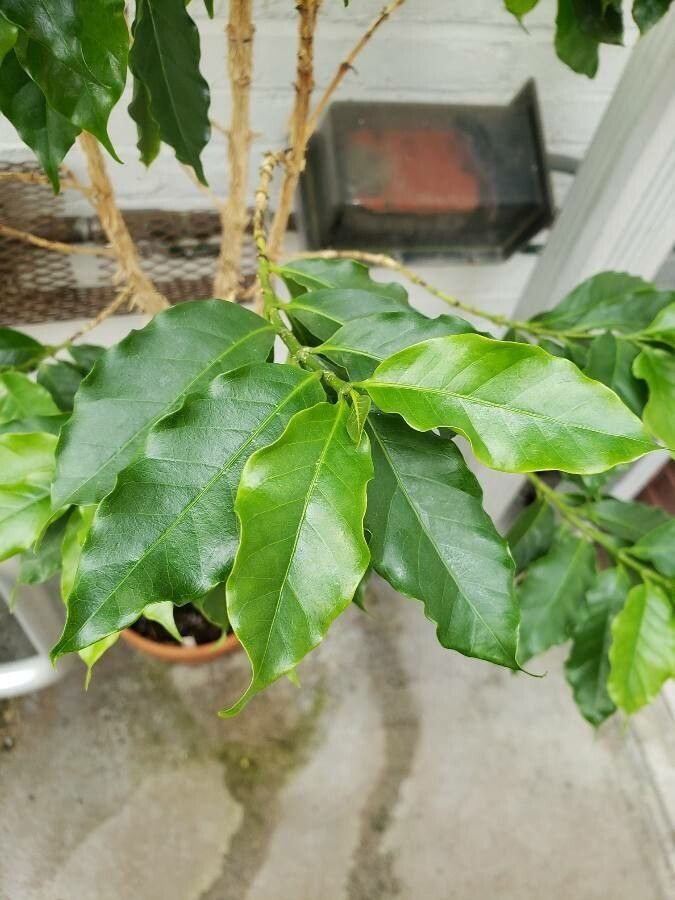
Growing Coffee: Altitude, Shade & Soil
From volcanic hillsides to forest-shaded canopies, the conditions under which coffee is grown—altitude, latitude, temperature, rainfall, soil, and cultivation method—determine everything from bean density to cup character. This article examines the key agronomic factors that shape coffee quality and sustainability.
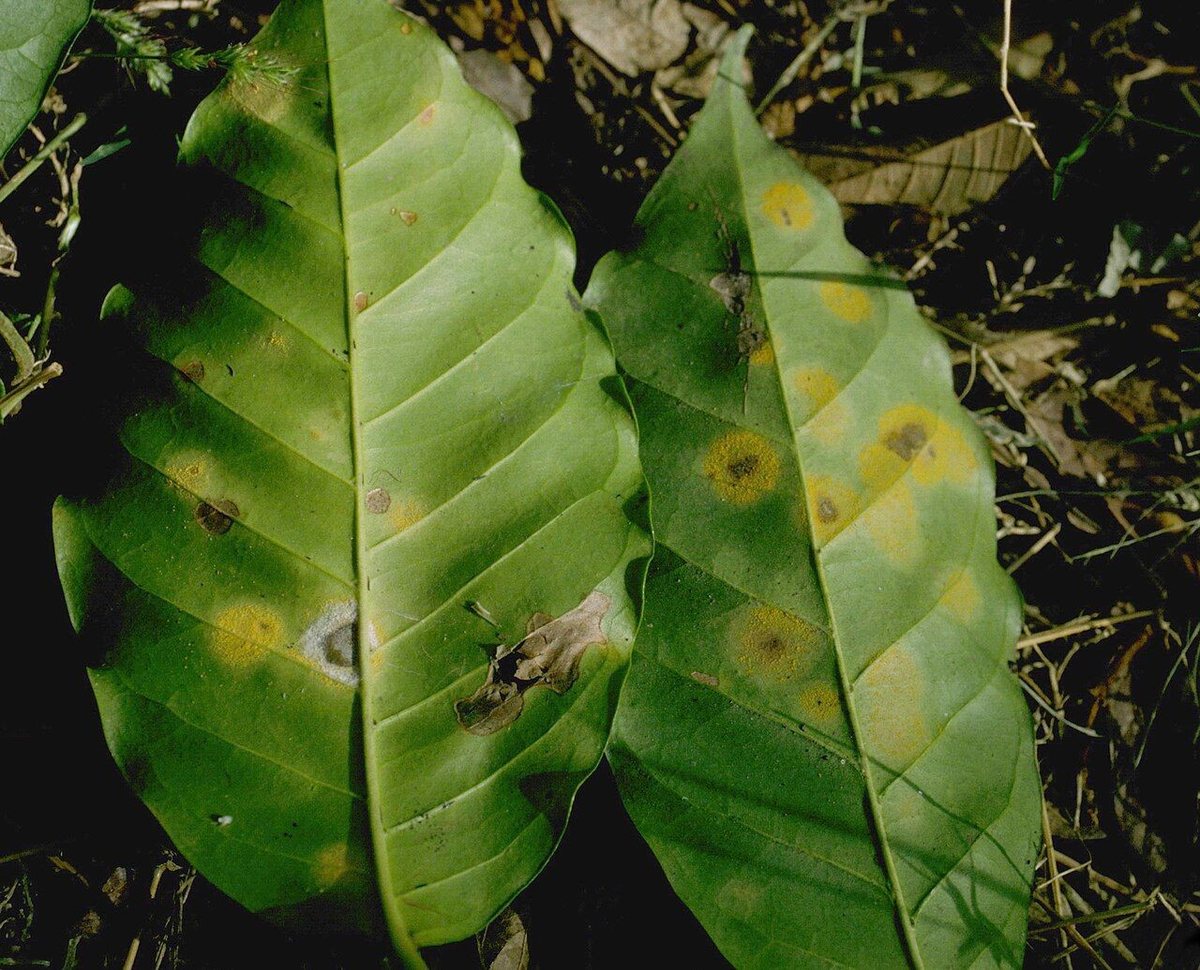
Coffee Diseases & Climate Threats
Coffee plants face a gauntlet of biological threats—fungal pathogens, insect pests, soil parasites, and an accelerating climate crisis—that collectively jeopardize the livelihoods of tens of millions of farming families and the long-term supply of quality Arabica.
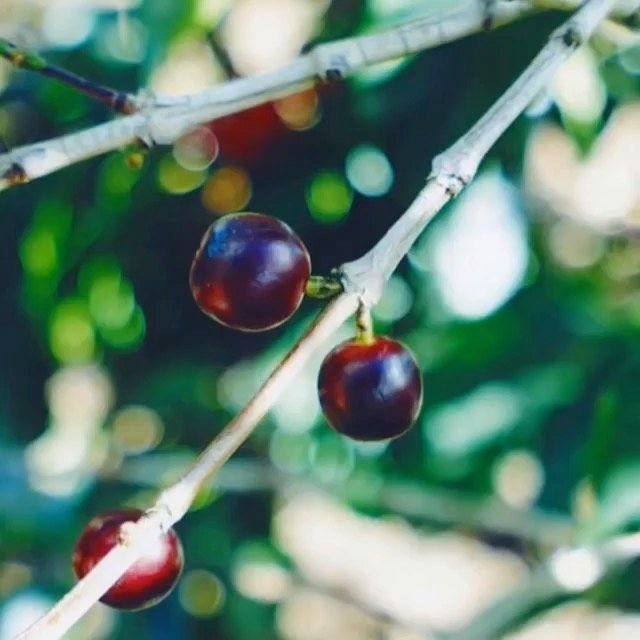
Coffee Genetics & Breeding
Coffee's genetic story spans ancient hybridization events, centuries of unintentional selection, and today's deliberate breeding programs. From the spontaneous dwarf mutation that gave us Caturra to the F1 hybrids engineered for yield and cup quality, understanding how new varieties arise illuminates why some coffees taste the way they do—and why the industry's fight against disease comes with real flavor trade-offs.
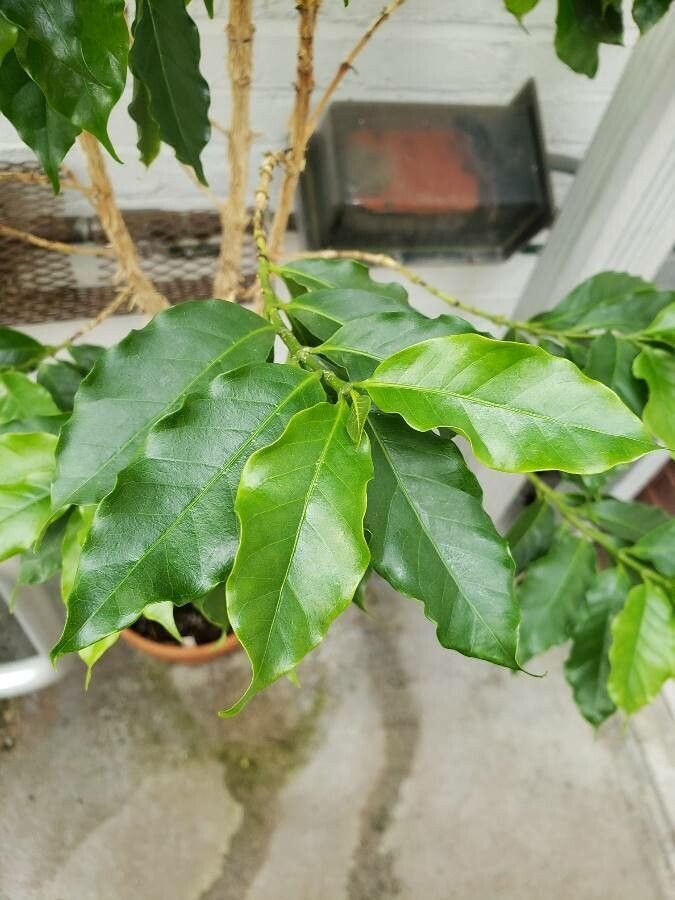
Coffee Species: Arabica, Robusta & Liberica
The genus Coffea comprises more than 130 described species, but global commerce rests almost entirely on two: Coffea arabica and Coffea canephora (Robusta). A third species, Coffea liberica, occupies a small but historically significant niche. Understanding their genetics, chemistry, climate requirements, and cup profiles is foundational to coffee literacy.
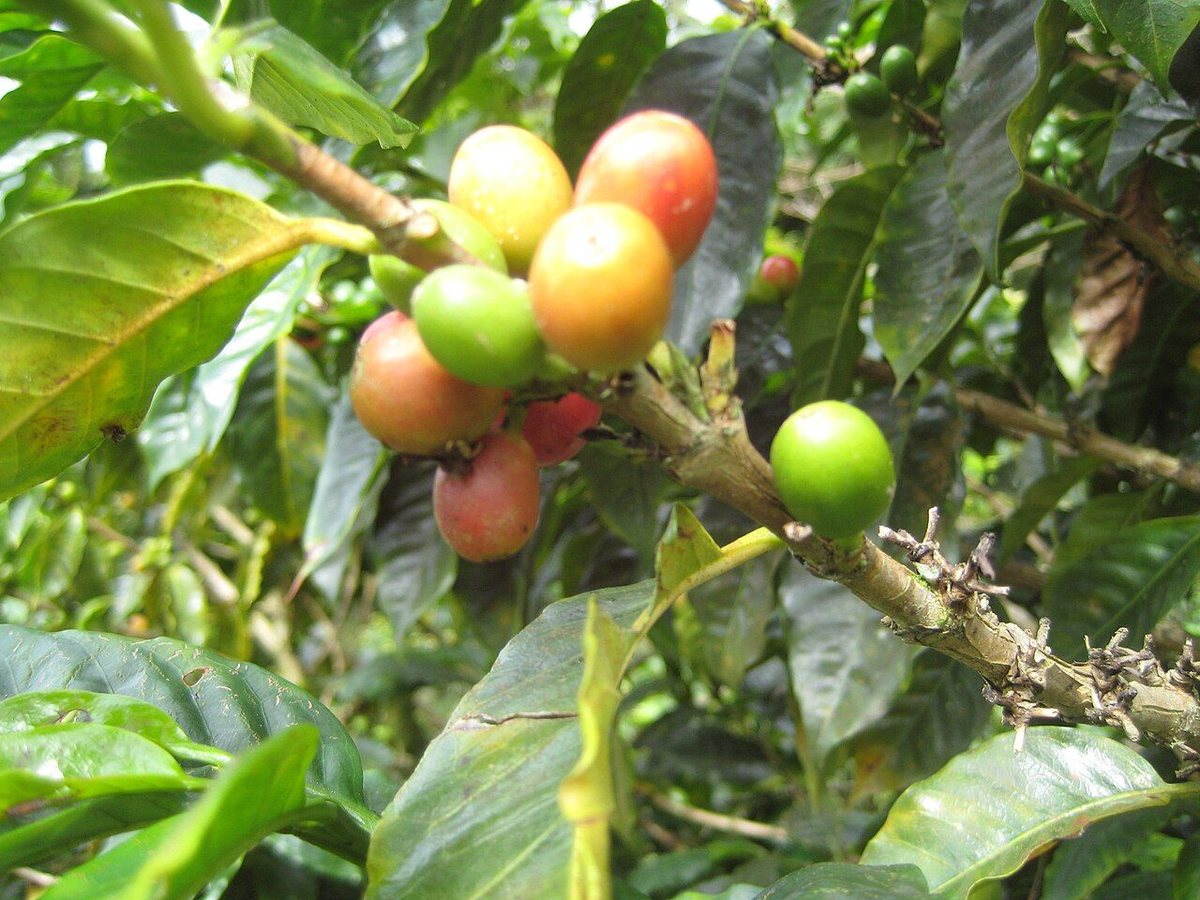
Coffee Varieties & Cultivars
Coffee varieties and cultivars define the sensory, agronomic, and genetic character of every cup. From ancient Ethiopian landraces to precision-bred F1 hybrids, understanding the family tree of Coffea arabica is essential for producers, buyers, and enthusiasts alike.
Frequently asked questions
- How many species of Coffea exist?
- As of early 2026, Plants of the World Online recognises 133 accepted species and one hybrid in the genus Coffea. Despite this diversity, global commercial production depends almost entirely on just two species: Coffea arabica and Coffea canephora.
- What is the difference between Arabica and Robusta?
- Arabica (Coffea arabica) accounts for roughly 55–60% of global production and is prized for its sweeter, more complex flavour, higher acidity, and lower caffeine content (approximately 0.8–1.4%). Robusta (Coffea canephora) accounts for around 45%, has nearly double the caffeine (approximately 2.7%), less sugar, and produces a stronger, more bitter, earthier cup. Robusta is also hardier, more disease-resistant, and grows at lower altitudes than Arabica.
- What is a coffee cherry?
- A coffee cherry is the fruit of the Coffea plant. It ripens to red or purple and typically contains two seeds — the coffee beans — positioned flat-side together. Botanically it is an epigynous berry or indehiscent drupe rather than a true cherry. About 5–10% of fruits contain only a single, rounded seed called a peaberry.
- Why does growing altitude matter for coffee flavour?
- At higher altitudes, cooler temperatures slow the development of the coffee cherry, allowing more time for sugars and aromatic precursors to accumulate in the seed. This is one reason high-altitude Arabica — grown commonly between 1,200 and 1,500 metres, though as high as 2,800 metres — is associated with greater flavour complexity. Robusta, adapted to lower altitudes and warmer conditions, does not develop the same profile.
- Is Arabica a naturally occurring species?
- Coffea arabica is a natural hybrid. It arose from an ancient hybridisation between the diploid species Coffea canephora and Coffea eugenioides, making it an allotetraploid with 44 chromosomes. This hybridisation event is estimated to have occurred between approximately 543,000 and 1.08 million years ago in East Africa.
- What is the difference between a coffee variety and a cultivar?
- A variety is a naturally occurring subdivision of a species with distinct characteristics, while a cultivar (cultivated variety) is a plant type selected or bred by humans for specific traits — yield, disease resistance, cup quality, or a combination. Within Coffea arabica alone, hundreds of named varieties and cultivars exist, ranging from ancient Ethiopian landraces to modern F1 hybrids developed through formal breeding programmes.
- Why does caffeine exist in coffee plants?
- Caffeine in coffee plants serves two ecological functions: it deters insects and herbivores by acting as a natural toxin, and it attracts pollinators — particularly honeybees — by creating an olfactory memory that encourages return visits to the plant's flowers. Caffeine has evolved independently in multiple lineages of Coffea, as well as in the unrelated genera Theobroma (cacao) and Camellia (tea), suggesting it is a strongly adaptive trait.
See also