Knowledge · process
Coffee Processing
From cherry to green bean: anatomy, method, and flavor impact
Key facts
- Definition
- Removal of fruit layers and drying coffee cherry to green bean
- Key flavor lever
- Fermentation and drying dynamics
- Main methods
- Washed, natural, honey, anaerobic fermentation
- Flavor impact
- Processing method significantly affects roasted coffee taste
- Peaberry occurrence
- Roughly 10-15% of cherries produce single round seed
What Is Coffee Processing?
Coffee processing refers to everything that happens to a coffee cherry after it is picked and before the green bean is exported for roasting. According to industry convention, it covers the removal of the fruit's outer layers, the management of fermentation (intentional or incidental), and the drying and milling of the seed down to the stable, shippable green bean.
The stakes are high. As [S1] notes, "the method that is used to process coffee varies, and significantly affects the flavor of coffee once it is roasted and brewed." Processing is therefore not a neutral logistical step — it is a deliberate flavor decision made at origin, and understanding it is essential to understanding why two coffees from the same farm or even the same tree can taste dramatically different.
Anatomy of the Coffee Cherry
To understand processing, it helps to know exactly what is being removed. A ripe coffee cherry is a layered fruit, and each layer interacts differently with the seed during processing.
- Outer skin (exocarp): The thin, red (or yellow, or orange) outer skin that gives the cherry its color and signals ripeness. It is the first barrier removed in most processes.
- Pulp (mesocarp): The fleshy, sweet layer beneath the skin. It contains sugars and organic acids that can migrate into the seed during fermentation and drying.
- Mucilage: A dense, sticky, pectin-rich layer clinging to the parchment. Mucilage is central to processing decisions — leaving more of it on the bean during drying increases sweetness and body in the final cup. The SCA and producers commonly describe it as the most flavor-active layer in wet and honey processing.
- Parchment (endocarp): A hard, papery husk that protects the seed through drying. It is removed during milling, the final step before export.
- Silverskin (spermoderm): A delicate membrane fused to the seed. Most silverskin detaches during roasting and becomes the fine chaff found in roaster drums.
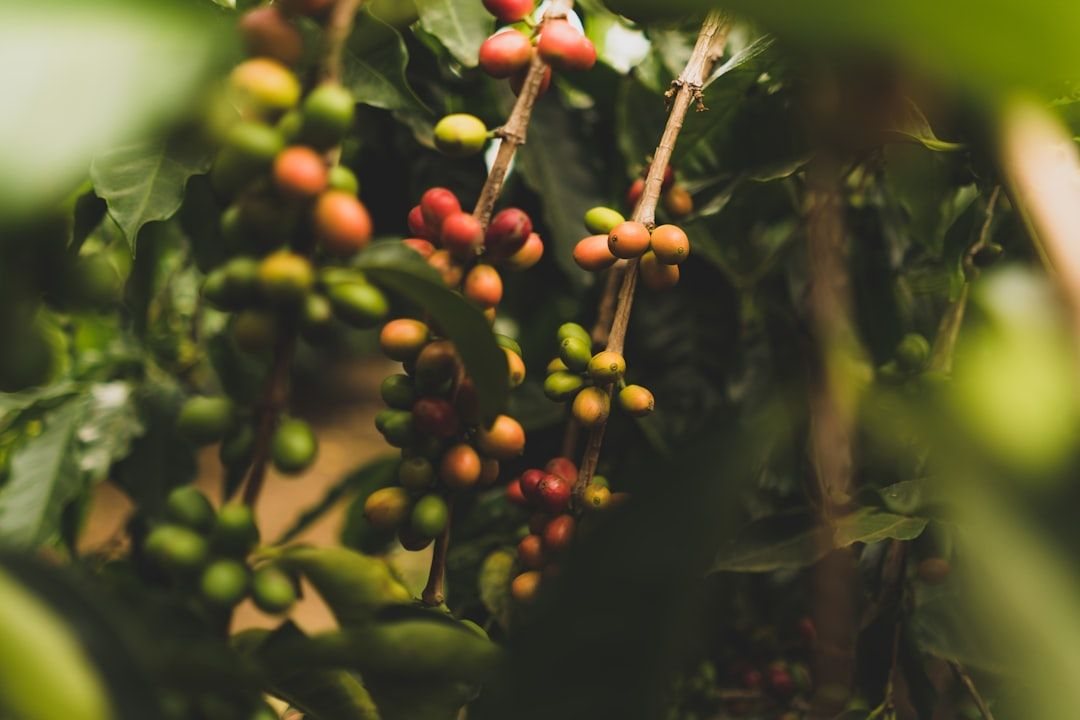
- Seed (endosperm): The green coffee bean itself — botanically a seed, commercially a commodity. As [S2] explains, most cherries contain two seeds lying flat side to face; a small fraction (roughly 10–15%) produce a single round seed called a peaberry.
Each layer is a potential flavor contributor. Processing is the art and science of deciding which layers to leave in contact with the seed, for how long, and under what conditions.
Why Processing Is a Flavor Lever
Flavor development during processing is driven by two main mechanisms: fermentation and drying dynamics.
During fermentation, microbial activity breaks down the mucilage and pulp surrounding the seed. Organic acids, alcohols, and esters produced in this environment can diffuse into the green bean. Extended or controlled fermentation — managed carefully to prevent off-flavors — can amplify fruit, wine, and floral notes. As [S1] observes, "the fermentation process has to be carefully monitored to ensure that the coffee does not acquire undesirable, sour flavors."
During drying, sugars in the remaining fruit concentrate and caramelize on the bean surface, influencing body and sweetness in the roasted cup. Speed, temperature, airflow, and bed depth all affect this process and distinguish a clean, well-structured coffee from one that is fermented or over-dried.
Ripe-cherry selection is equally foundational. [S1] notes that "red berries, with their higher aromatic oil and lower organic acid content, are more fragrant, smooth, and mellow," while lots containing unripe fruit tend toward "displeasingly bitter/astringent flavor and a sharp odor." No processing method can compensate for poorly harvested fruit.
The Main Processing Methods
Modern coffee production recognizes a spectrum of processing methods, each defined primarily by how much of the fruit is left on the bean during drying.
Washed (Wet) Processing
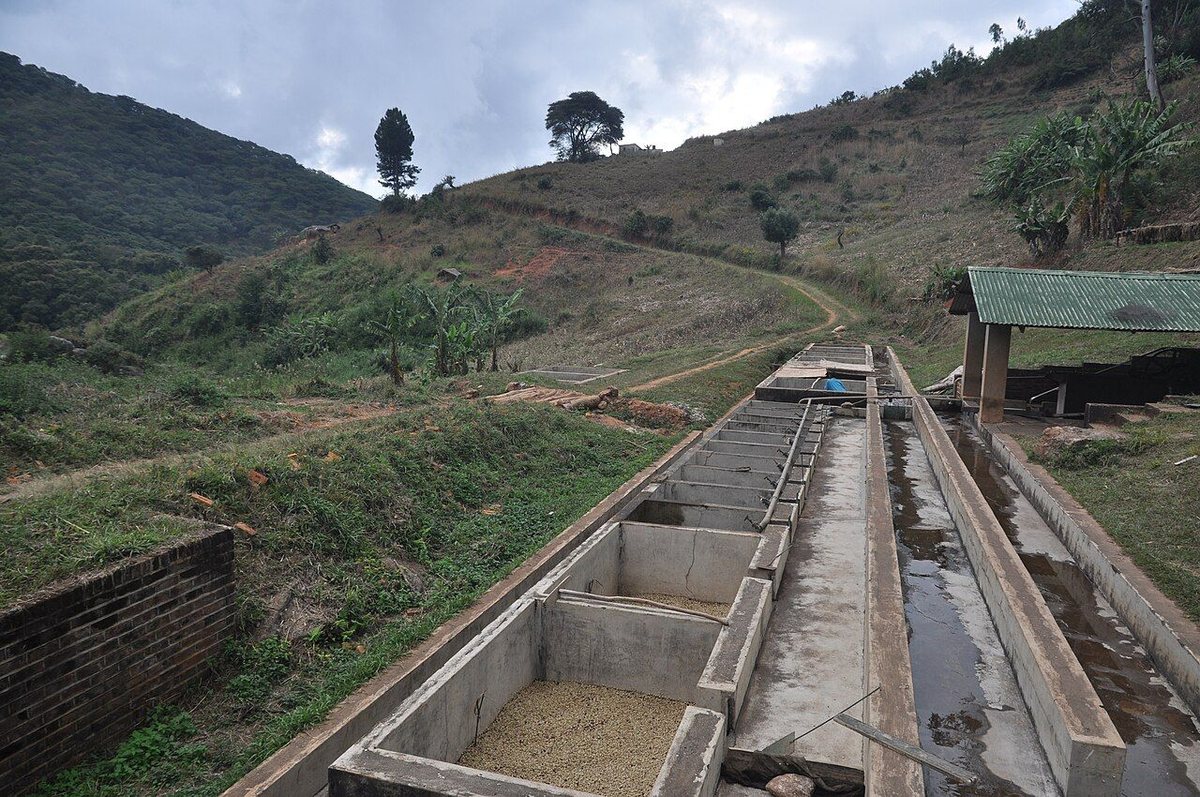
In washed processing, the skin and pulp are removed mechanically before drying, and the mucilage is then eliminated by fermentation and washing (or by mechanical demucilaging). The result is a clean bean that dries inside its parchment with minimal fruit contact. Washed coffees are prized for clarity, brightness, and the transparency with which they express terroir and variety. [S1] describes the classic ferment-and-wash method, in which mucilage breakdown takes "between 8 and 36 hours, depending on the temperature, thickness of the mucilage layer, and concentration of the enzymes."
Natural (Dry) Processing
In natural processing, the whole cherry is dried intact, with skin, pulp, and mucilage surrounding the seed throughout the drying period. [S2] describes the traditional approach: the fruit is "spread out in the sun on concrete, bricks or raised beds for 2–3 weeks, turned regularly for even drying." This extended fruit contact produces the characteristic sweetness, heavy body, and fruity — sometimes wine-like — flavors associated with naturals. Once considered a mark of lower-quality production, naturally processed coffees now command a premium when executed with care.
Honey & Pulped-Natural Processing
Honey processing occupies the middle ground. The skin is removed mechanically, but varying amounts of mucilage are left on the parchment before drying — categorized loosely as yellow, red, or black honey depending on how much mucilage remains. More mucilage means more fruit-driven sweetness and body; less mucilage produces a cup closer to a washed profile. Honey processing is particularly associated with Central American producers seeking to balance clean acidity with added sweetness.
Anaerobic Fermentation
Anaerobic fermentation introduces an additional environmental variable: oxygen deprivation. Cherries or depulped beans are sealed in tanks from which oxygen is purged, creating a controlled anaerobic environment that shifts the microbial population and the resulting metabolites. The flavor outcomes — often intense, syrupy, and unusually aromatic — have made anaerobic processing one of the most discussed techniques in specialty coffee over the past decade.
Experimental Processing
Beyond the established categories, producers are actively developing experimental methods that layer multiple interventions: carbonic maceration borrowed from winemaking, inoculation with selected yeast or bacterial strains, extended cold fermentation, and others. These approaches push the boundaries of what processing can contribute to flavor, and are evaluated on a case-by-case basis by the specialty community.
Drying: The Shared Critical Step
Regardless of method, all processing converges on a drying phase that is decisive for cup quality. Learn more about drying coffee →
The goal is to reduce the moisture content of the green bean to approximately 10–12% (the range commonly cited by producers and standards bodies as stable for export) without creating defects such as uneven drying, case hardening, or the continuation of unwanted fermentation. Key variables include:
- Bed depth and turning frequency — Thin, frequently turned beds on raised drying tables encourage even airflow.
- Temperature — Excessive heat can damage the bean's cellular structure and flatten cup quality.
- Duration — Naturals typically require longer drying windows than washed coffees; honey coffees fall in between.
- Infrastructure — Raised African beds, patio concrete, and mechanical dryers each introduce different airflow and contamination risks.
Milling: The Final Pre-Export Step
Once dried to the target moisture level, the coffee undergoes dry milling (also called hulling), in which the parchment layer — and, for naturals, the dried fruit skin — is mechanically removed. The silverskin largely remains on the bean until it detaches as chaff during roasting. After hulling, the green beans are sorted by density, size, and color, graded, and bagged for export. [S1] summarizes the sequence: "the beans are stripped of their remaining dry skin and fruit residue. Once they are cleaned, sorted, and graded, they are suitable for distribution."
Processing in the Global Supply Chain
Processing decisions are shaped by geography, climate, water availability, infrastructure, and market positioning. Wet processing requires "specific equipment and substantial quantities of water" ([S1]), making it less accessible in arid or infrastructure-poor regions. Natural processing requires reliable dry heat and careful management to avoid defects. Honey processing demands precision at the depulping stage and vigilant drying management.
Coffee production supports an estimated 12.5 million households globally ([S1]), the majority in developing countries, and processing choices directly affect both the economic return and the environmental footprint of those operations. Wastewater from wet processing carries a high organic load and requires responsible management to protect local waterways — an increasingly prominent sustainability concern in producing regions.
In this section
Anaerobic Fermentation
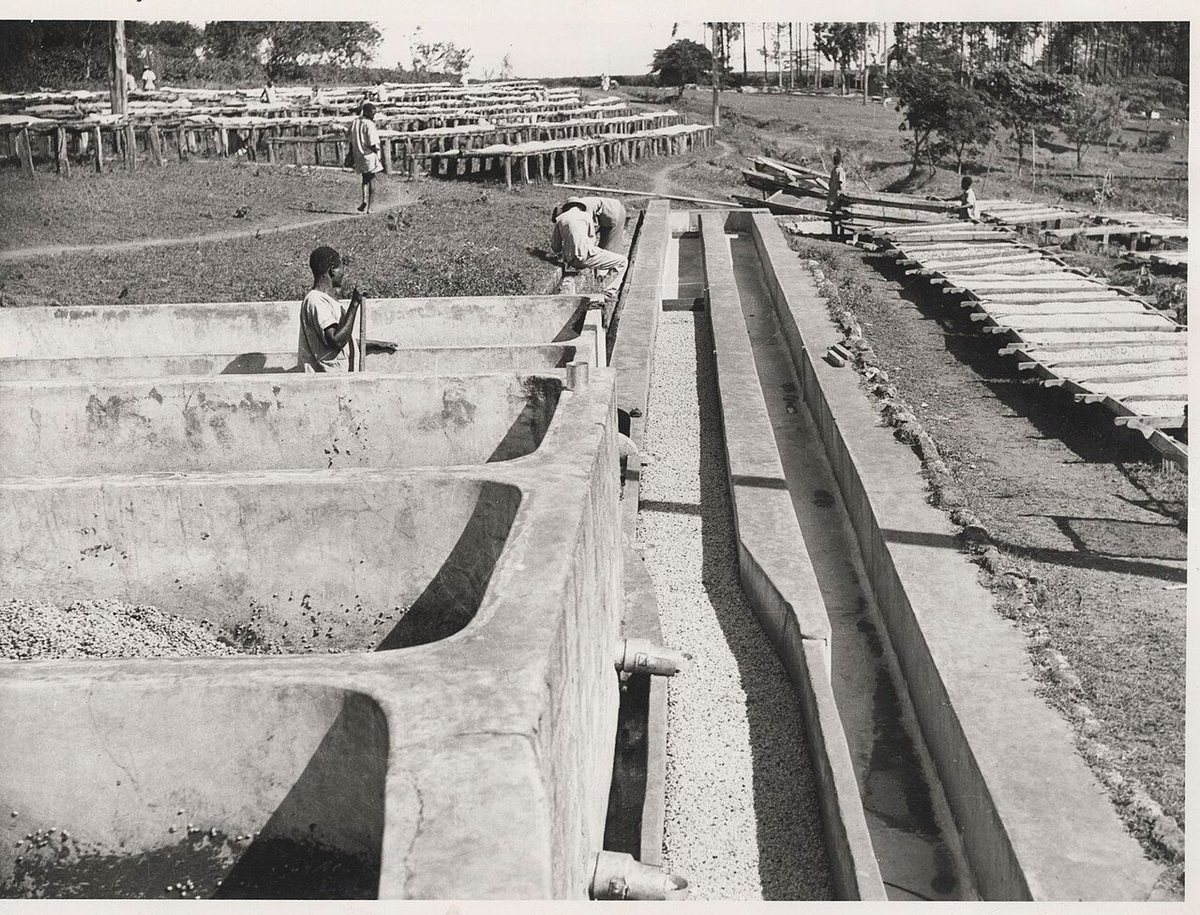
Anaerobic fermentation places coffee cherries or depulped beans in sealed, oxygen-free tanks, driving intracellular and microbial reactions that produce intensely fruit-forward, wine-like, and sometimes spirit-like cup profiles. Borrowed in part from winemaking's carbonic maceration tradition, it is one of the most debated innovations in specialty coffee processing.
Decaffeination Methods
Decaffeination removes caffeine from green coffee before roasting using four principal methods: the Swiss Water Process, supercritical CO2 extraction, and two organic-solvent routes employing either methylene chloride (dichloromethane) or ethyl acetate. Each method pursues the same goal—meeting the U.S. FDA minimum of 97% caffeine removal, or the stricter EU standard of 99.9% caffeine-free by mass—while preserving as much of the bean's flavor chemistry as possible.
Drying Coffee
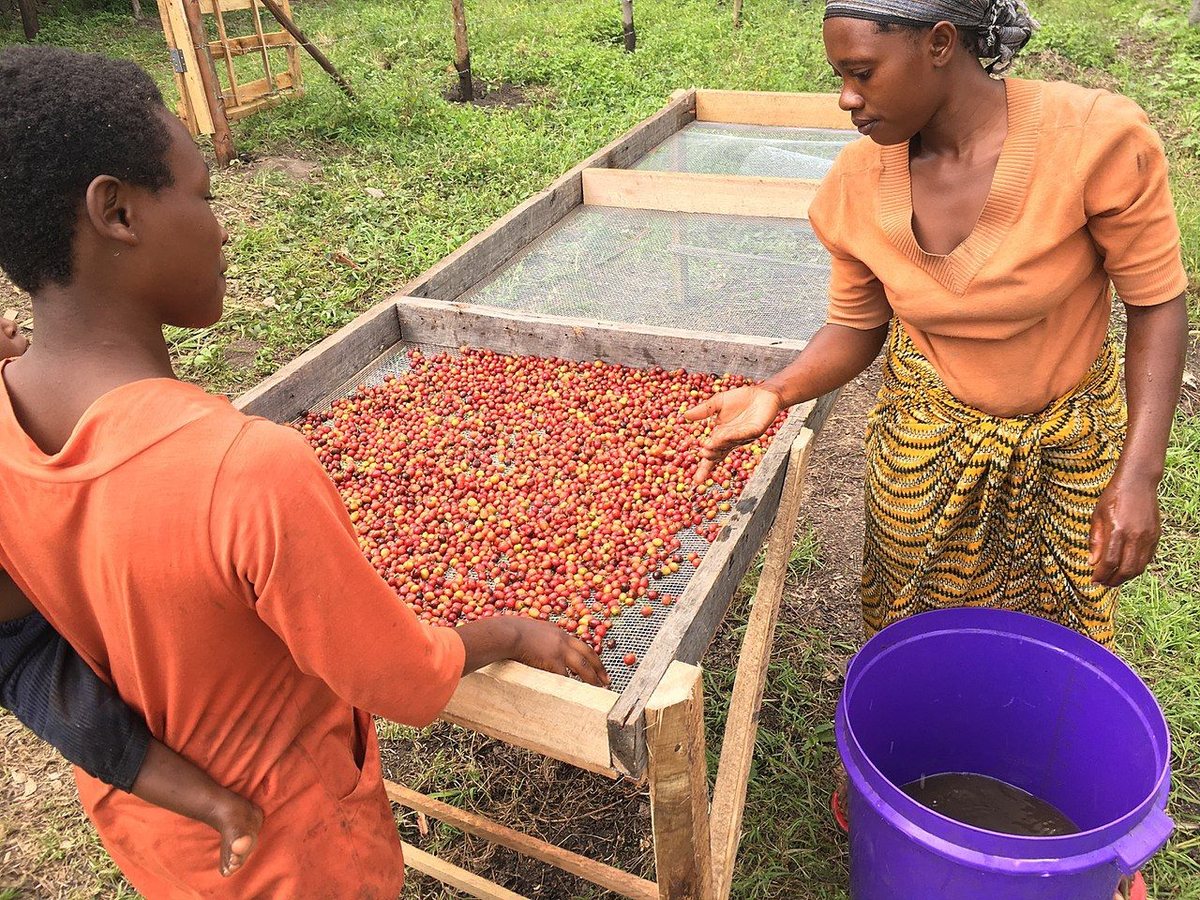
Drying is the critical post-processing stage in which freshly processed coffee is reduced from moisture levels as high as 40–50% down to a stable target of approximately 10–12%, locking in cup quality, preventing mold and fermentation defects, and enabling safe long-distance export. Whether dried on raised African beds, concrete patios, or in mechanical guardiola drums, the principles are the same: slow, even, controlled moisture removal.
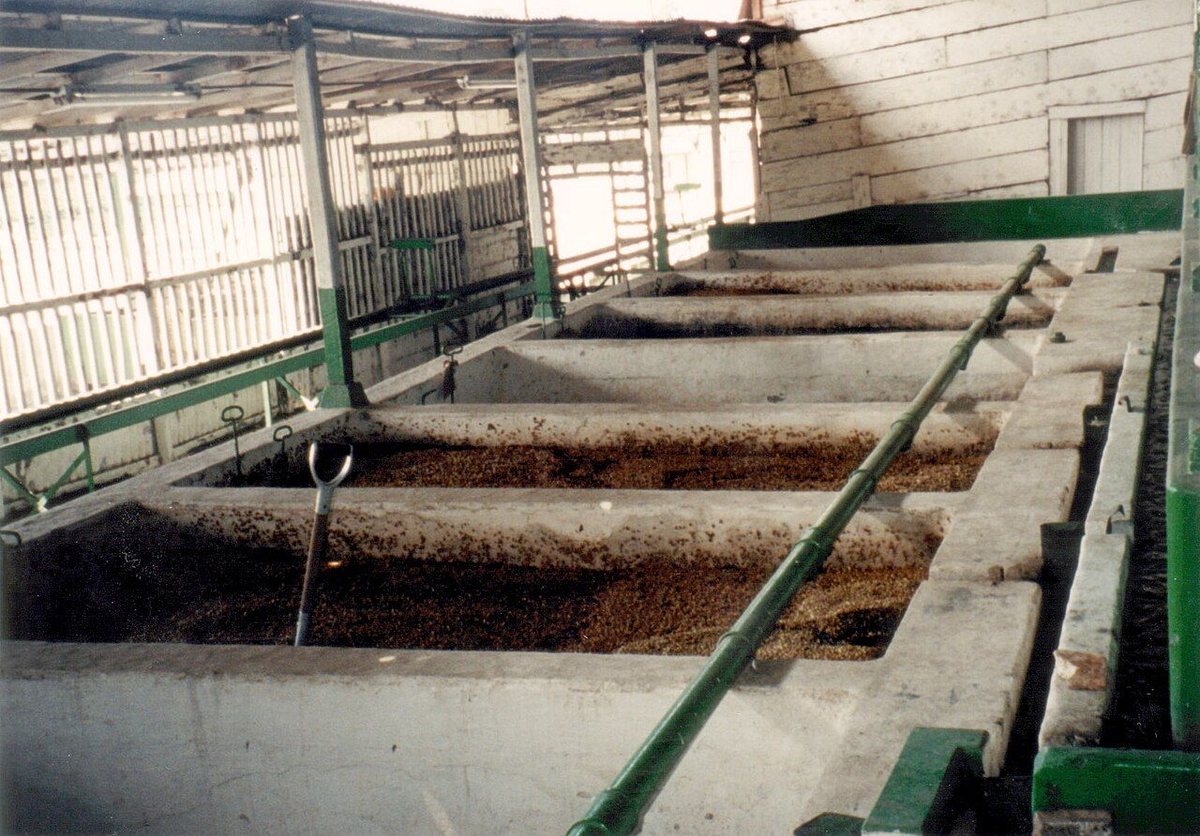
Experimental Processing
Experimental processing sits at the frontier of coffee production, where producers deliberately engineer fermentation environments, introduce novel microorganisms, and apply techniques borrowed from food science and brewing to unlock flavors far beyond what traditional washed or natural methods produce. From inoculated yeast fermentations to koji-covered parchment, these approaches are reshaping specialty coffee — and sparking fierce debate about authenticity, terroir, and transparency.
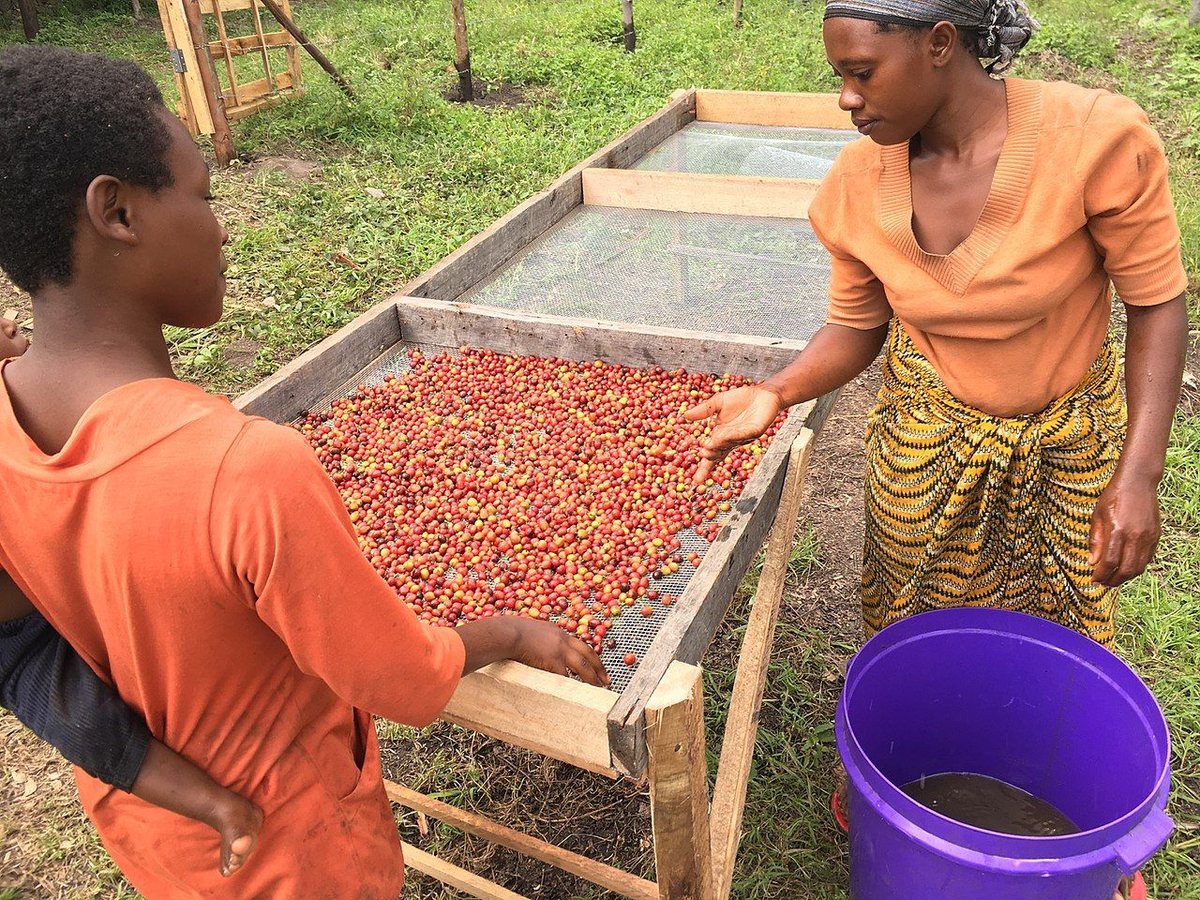
Honey & Pulped-Natural Processing
Honey and pulped-natural processing occupies the fertile middle ground between washed and natural methods: the cherry skin is removed by machine, yet some or all of the sticky mucilage is left intact on the parchment to influence drying and, ultimately, cup character. The result is a spectrum of styles—white, yellow, red, and black honey—each defined by how much mucilage is retained and how long, and under what conditions, the coffee dries.
Milling, Sorting & Grading
Dry milling transforms dried coffee into exportable green beans through a precise sequence of hulling, density sorting, screen grading, optical color sorting, and defect removal. Each step shapes the consistency, traceability, and cup quality of the final lot—and different national grading systems translate these physical standards into the names roasters recognise on every bag.
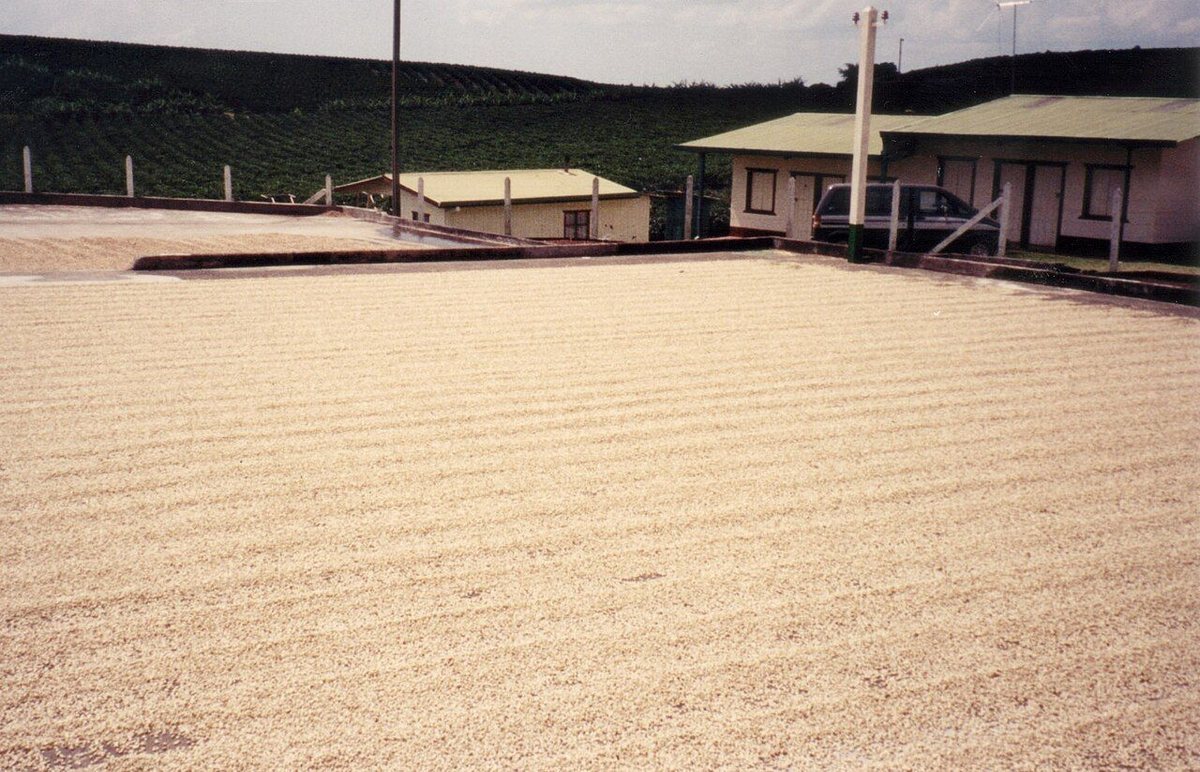
Natural (Dry) Processing
Natural (dry) processing is the oldest and most elemental method of preparing coffee for roasting: whole, unpeeled cherries are spread in the sun to dry, allowing the fruit's sugars and yeasts to infuse the seed before the dried husk is stripped away. The result is a coffee of exceptional body, vivid fruit character, and distinctive winey or fermented depth — but one that demands rigorous attention to achieve consistency.
Green Coffee Storage & Aging
From the moment green coffee leaves the mill, its quality is in a race against time. Temperature, humidity, and packaging choices determine whether a coffee arrives at the roaster tasting bright and alive—or faded, woody, and flat. This article examines the science and practice of green coffee storage, from hermetic barrier bags to the intentional weathering of Monsooned Malabar.
Washed (Wet) Processing
Washed (wet) processing is the world's most widely practised specialty-coffee method. By removing the cherry's fruit before drying, it strips away variables that would otherwise mask the bean's intrinsic character — delivering the clean cup, vivid acidity, and transparent origin flavors that have made it the benchmark of quality-focused producers from Ethiopia to Colombia.
Frequently asked questions
- What does 'coffee processing' mean?
- Coffee processing refers to all post-harvest steps that transform a freshly picked coffee cherry into a stable green bean ready for export. This includes removing the fruit layers (skin, pulp, mucilage, parchment), managing fermentation, drying the bean to a stable moisture level, and hulling it in the dry mill.
- How does processing affect coffee flavor?
- Processing determines how much and how long the fruit's sugars, acids, and fermentation byproducts remain in contact with the seed. More fruit contact (as in natural processing) typically yields heavier body, sweetness, and fruity complexity. Washed coffees, with fruit removed early, tend to be cleaner and brighter. Honey and anaerobic methods occupy various points on this spectrum.
- What are the layers of a coffee cherry?
- From outside in: the outer skin (exocarp), the pulp (mesocarp), the sticky mucilage layer, the parchment (endocarp), the silverskin (spermoderm), and finally the seed — the green coffee bean itself. Each layer is progressively removed during processing.
- What is a peaberry?
- A peaberry is a coffee cherry that contains a single round seed instead of the usual two flat-sided seeds. Peaberries make up roughly 10–15% of all coffee cherries and are sometimes sorted and sold separately.
- Which processing method is 'best'?
- There is no universally superior method. Washed processing is prized for clarity and terroir expression; natural processing for sweetness and body; honey processing for balance between the two. Anaerobic and experimental methods can produce distinctive flavors but require precise control. Quality depends far more on cherry ripeness, processing discipline, and drying management than on the method label alone.
- Why does cherry ripeness matter for processing?
- Ripe cherries have higher aromatic oil content and lower harsh organic acids, producing smoother, more fragrant coffee. Lots including unripe fruit tend toward bitter or astringent flavors regardless of the processing method applied. This is why selective hand-picking of only ripe cherries is associated with higher-quality specialty production.
See also