Knowledge · geography
Coffee Geography
From the equatorial belt to the farm gate: how place shapes every cup
Key facts
- Geographic range
- 25 degrees either side of the equator
- Global production (2023)
- 11.1 million tonnes
- Top producer
- Brazil
- People dependent on coffee
- At least 12.5 million households
- Arabica vs robusta
- Arabica prefers higher altitudes, robusta thrives in lowlands
- Regional distribution
- 51% South/Central America, 27% Southeast Asia, 17% Africa
The Coffee Belt
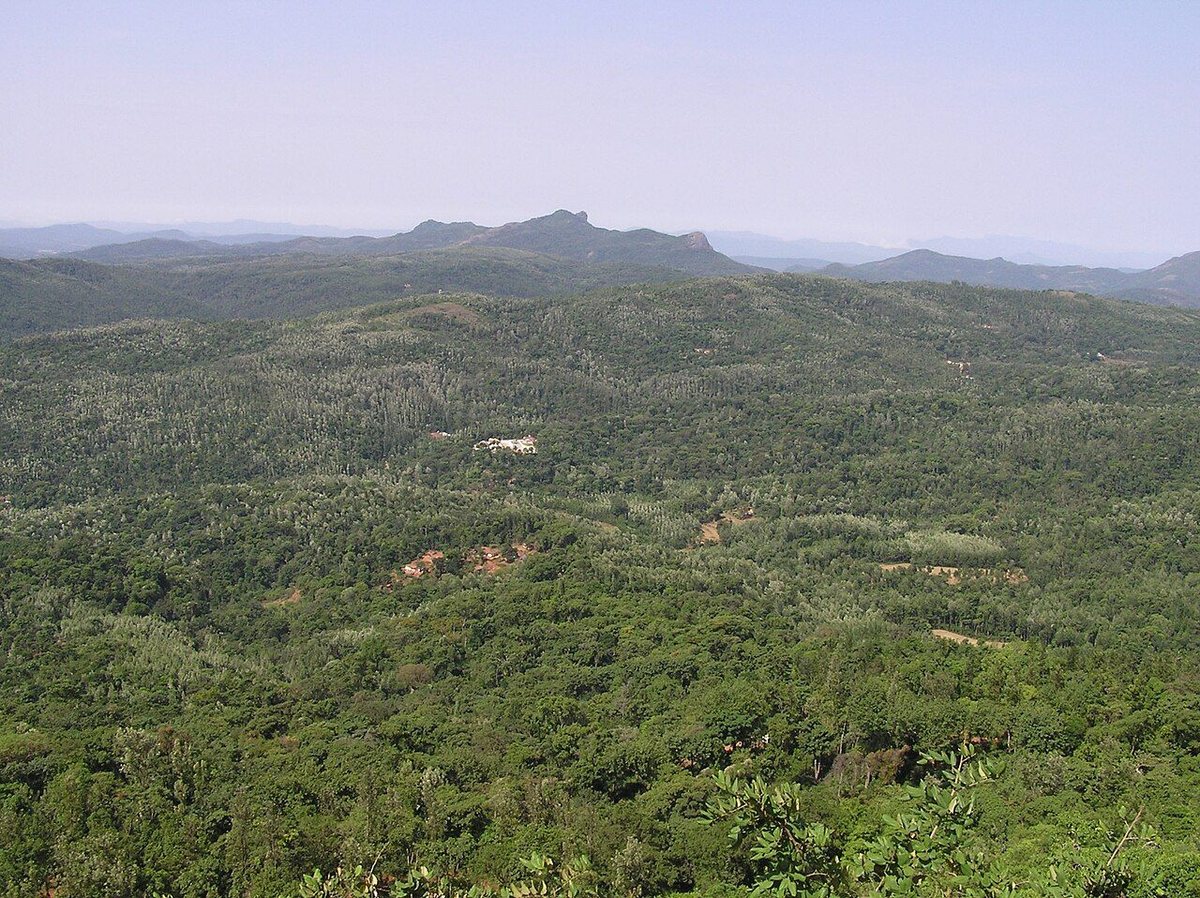
Commercial coffee cultivation is confined to a roughly 25-degree band on either side of the equator, running from the Tropic of Cancer in the north to the Tropic of Capricorn in the south. Within this zone — commonly called the Coffee Belt — the combination of frost-free temperatures, seasonal rainfall, and appropriate altitude creates the conditions that Coffea arabica and Coffea canephora (robusta) require to flower, set fruit, and develop complex flavors.
The scale of activity inside this band is substantial. Global production in 2023 reached 11.1 million tonnes, with Brazil leading all producers, followed by Vietnam, Indonesia, Colombia, and Ethiopia. In regional terms, 51% of the world's coffee is cultivated in South and Central America, 27% in Southeast Asia, and 17% in Africa. Tens of millions of people depend on it: coffee production provides income to at least 12.5 million households, the overwhelming majority in developing countries.
Why Coffee Grows Where It Does
No single factor defines a coffee-growing region; rather, several variables must align simultaneously.
Temperature and frost. Both arabica and robusta are tropical plants sensitive to frost. Arabica prefers cooler temperatures than robusta, which is why arabica is typically grown at higher altitudes in equatorial countries, while robusta thrives in hotter, lower-elevation zones such as the lowlands of Vietnam and the Congo Basin.
Altitude. Elevation is a proxy for temperature. Higher altitudes slow cherry development, allowing sugars and organic acids to accumulate in the seed. This extended maturation period is one reason high-grown arabicas from Ethiopia, Colombia, or Guatemala tend to exhibit greater aromatic complexity than lower-grown coffees.
Rainfall and dry seasons. Coffee plants need substantial rainfall to sustain growth, but also a pronounced dry season to trigger flowering. In most coffee-growing countries there is one major harvest a year. Colombia is a notable exception: its geography produces two distinct flowering cycles, yielding a main crop (roughly April to June) and a secondary mitaca crop (roughly November to December).
Soil. Volcanic soils, common in Central America, parts of East Africa, and Indonesia, tend to be mineral-rich and free-draining — characteristics associated with vibrant acidity and layered flavor profiles. Soil chemistry interacts with altitude and rainfall to give each sub-region its baseline character.
Varietal selection. Arabica accounted for roughly 61% of world coffee production between 2004 and 2010, and remains dominant in Latin America and East Africa. Robusta is the primary species in Vietnam, where it accounts for approximately 97% of output, and is widely grown across West and Central Africa and parts of Indonesia. The genetic makeup of the plant — the variety or cultivar — shapes potential cup quality at a fundamental level, independent of where the plant is grown.
Terroir and Origin Character
Terroir — borrowed from wine — refers to the totality of environmental influences that give a coffee its distinctive character: soil mineralogy, microclimate, altitude, surrounding vegetation, and local agricultural practice. It is a useful shorthand, but the analogy has limits. Processing method, harvest selectivity, and post-harvest handling can amplify or suppress terroir signals to a degree seldom seen in wine.
Beans from different countries or regions can typically be distinguished by differences in flavor, aroma, body, acidity, and texture — characteristics that are shaped not only by growing region but also by genetic variety and processing method. A washed Ethiopian Yirgacheffe and a natural-processed coffee from the same district may share a geographical identity while tasting markedly different. This is why origin character is best understood as a set of tendencies rather than guarantees.
Key terroir variables include:
- Elevation (higher = longer maturation, more complexity)
- Soil type and mineral content (volcanic, red clay, sandy loam)
- Annual rainfall and its distribution
- Canopy and shade cover (shade-grown farms slow cherry ripening further)
- Diurnal temperature range (large swings between day and night temperatures are associated with dense, complex beans)
Reading an Origin: Country → Region → Microregion → Farm
Specialty coffee labeling has developed a layered geographic vocabulary that mirrors the zoom levels of a map. Each level adds specificity and, in principle, traceability.
Country level
At the broadest scale, country of origin signals the species likely grown (arabica dominates in Ethiopia, Colombia, and Guatemala; robusta in Vietnam), the general climate type, and the dominant processing traditions. Countries are sometimes associated with archetypal flavor profiles — though these broad brushstrokes are increasingly challenged by the diversity within any single producing nation.
Region level
Within a country, regions are delineated by mountain ranges, river valleys, administrative boundaries, or certification schemes. Ethiopia's Sidama and Oromia zones, Colombia's Huila and Nariño departments, and Indonesia's Aceh and Toraja highlands each represent distinct agro-ecological pockets with characteristic cup profiles. Regional designations also carry legal weight in some cases: Colombia's individual departments and Ethiopia's regional designations have been the subject of geographical indication efforts.
Microregion level
At finer resolution still, microregions — sometimes a single valley, a watershed, or a cluster of villages around a cooperative wet mill — can exhibit character distinct from the broader region. Yirgacheffe sits inside the larger Gedeo Zone of Ethiopia but has earned global recognition as a microregion in its own right, synonymous with floral, tea-like arabicas. Yirgacheffe is itself divided into village-level kebeles whose coffees fetch premiums at auction.
Farm and lot level
The most granular unit is the individual farm or processing lot. At this level, decisions made by a single producer — which variety to plant, when to harvest, how long to ferment — override many geographic generalizations. Selective hand-picking, in which pickers return to trees every eight to ten days to harvest only peak-ripe cherries, is a labor-intensive practice associated with finer arabica lots. The ripeness of the cherry at harvest is consequential: red, fully ripe cherries have higher aromatic oil content and lower harsh organic acid levels than unripe fruit, translating directly into cup quality.
Varietals grown on a farm are often identified by the growing region itself — names such as Colombian, Java, and Kona reflect this geographic-varietal linkage in everyday coffee language.
Major Producing Regions at a Glance
Latin America accounts for 51% of global supply. Brazil's vast, relatively flat plantations in Minas Gerais and São Paulo favor mechanized strip-picking and natural processing. Colombia's steep Andean topography demands hand labor and supports a two-crop calendar. Central American origins — Guatemala, Honduras, Costa Rica, El Salvador — are known for high-altitude arabicas, often washed.
East Africa contributes approximately 17% of global production. Ethiopia, the center of arabica's genetic diversity, produces a spectrum from wild-collected forest coffees to precisely processed specialty lots. Kenya's auction system and its SL28/SL34 varieties have made it synonymous with bright, fruit-forward acidity. Rwanda, Burundi, and Tanzania have developed significant specialty sectors.
Southeast Asia and the Pacific provides roughly 27% of output, led by Vietnam's robusta production. Indonesia's archipelago yields a range of profiles — Sumatran wet-hulled coffees with earthy, full body; Sulawesi and Flores lots with cleaner, spiced character. Papua New Guinea produces arabica at high altitudes in the Highlands.
New Coffee Frontiers
The boundaries of the traditional Coffee Belt are not fixed. Producers in subtropical margins — parts of China's Yunnan province, sections of Australia, and even experimental plots in southern Europe — are testing arabica cultivation at the edges of viability. Climate change is already altering the suitability maps: rising temperatures are shifting ideal growing altitudes upward in many regions and threatening productivity at lower elevations.
At the same time, species beyond arabica and robusta — including Coffea stenophylla and Coffea liberica — are attracting renewed research interest as potential climate-resilient alternatives. These new coffee frontiers represent both a commercial opportunity and an ecological challenge for the industry.
Understanding geography, in this sense, is not a static exercise. The map of where great coffee grows is being redrawn — one harvest at a time.
In this section
The Coffee Belt
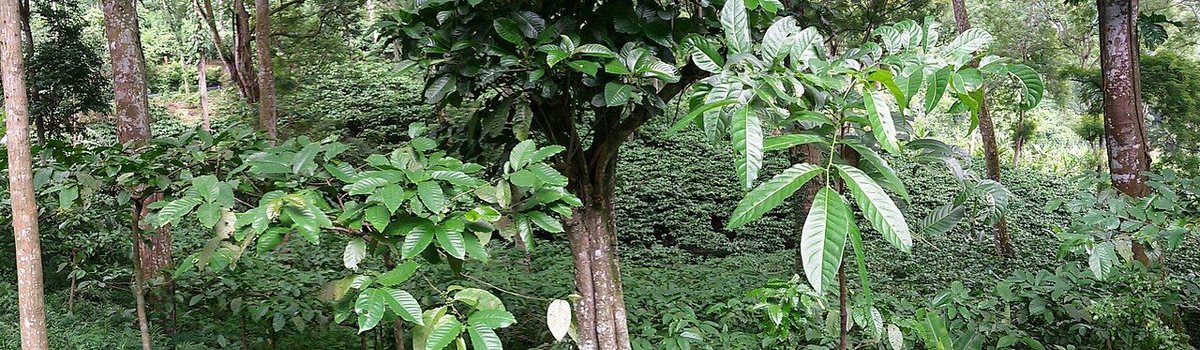
The Coffee Belt is the tropical and subtropical band encircling Earth between roughly 25°N and 30°S where climate, altitude, and soil conditions allow Coffea arabica and Coffea canephora (robusta) to thrive. Spanning three macro-regions—the Americas, Africa and Arabia, and Asia-Pacific—it produces virtually all of the world's commercially traded coffee and sustains the livelihoods of tens of millions of farming households.
New Coffee Frontiers
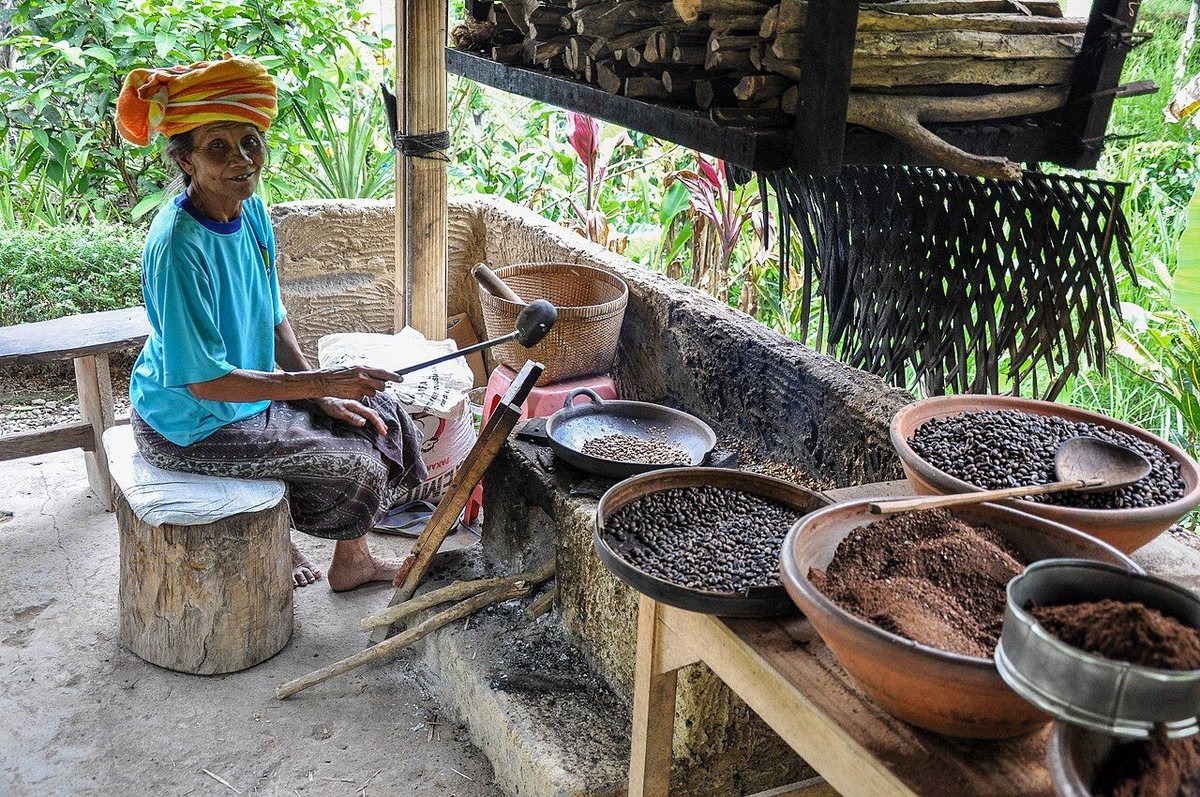
From the high-altitude terraces of Yunnan and the mist-wrapped ridgelines of northern Thailand to the volcanic slopes of Hawaii's Ka'u district, a new generation of coffee origins is reshaping what specialty buyers and consumers expect from a single-origin cup. These emerging and non-traditional producers are winning awards, attracting direct-trade roasters, and—crucially—investing in agronomy, processing infrastructure, and traceability in ways that were rare just two decades ago.
Coffee Regions
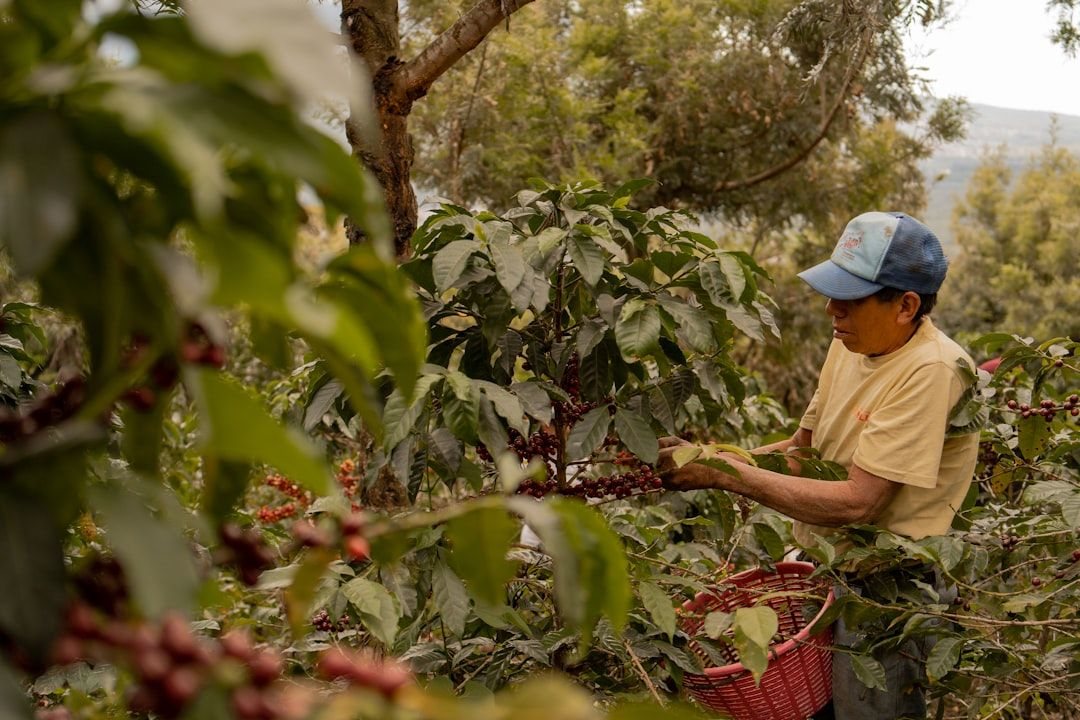
A directory of coffee origins in our encyclopedia — countries, regions, and microregions where the coffees we cover are grown.
Frequently asked questions
- What is the Coffee Belt?
- The Coffee Belt is the equatorial band running roughly 25 degrees north and south of the equator where commercial coffee cultivation is viable. It encompasses parts of Latin America, East and West Africa, the Arabian Peninsula, South and Southeast Asia, and the Pacific.
- Why can't coffee be grown outside the tropics?
- Both arabica and robusta are frost-sensitive tropical plants that require specific temperature ranges, seasonal rainfall patterns, and sufficient humidity to flower and ripen fruit. Outside the tropics these conditions are generally absent, though experimental cultivation is taking place at the subtropical margins.
- What does 'high-grown' coffee mean?
- High-grown coffee is cultivated at elevated altitudes, where cooler temperatures slow the development of the coffee cherry. The extended maturation period allows greater accumulation of sugars and complex organic acids, which are associated with more nuanced flavor and higher cup quality.
- How does processing method relate to origin character?
- Processing — washed, natural, honey — significantly affects the flavors expressed in the cup, sometimes to a degree that overrides geographic origin signals. Two coffees from the same farm processed differently can taste markedly distinct, which is why origin character is best understood as a set of tendencies shaped by both terroir and post-harvest decisions.
- What is the difference between a variety and a cultivar in coffee?
- A variety is a naturally occurring subspecies of the coffee plant that differs in some characteristics from the main species. A cultivar is a variety produced through horticultural or agricultural breeding techniques and not normally found in wild populations. Most named coffees in specialty — such as Bourbon and Typica — are technically cultivars.
- Which country produces the most coffee?
- Brazil is the world's leading producer of green coffee. In 2023, global production reached 11.1 million tonnes, with Brazil followed by Vietnam, Indonesia, Colombia, and Ethiopia.
See also