Guides · Brewing
How to Make Cold Brew Coffee
A complete guide to ratio, grind, steep time, dilution, and storage — plus how immersion and slow-drip methods compare
We may earn a commission when you buy through links on this page, at no additional cost to you.
Key facts
- Steep time
- 12 to 24 hours at cool or room temperature
- Grind size
- Coarse, uniform grind preferred
- Concentrate ratio
- 1:5 to 1:8 coffee to water by mass
- Ready-to-drink dilution
- 1 part concentrate to 1–2 parts water
- Flavor profile
- Smoother, less acidic than hot brew
- Caffeine content
- Can be higher per volume than hot coffee
- Storage advantage
- Maintains character when stored cold
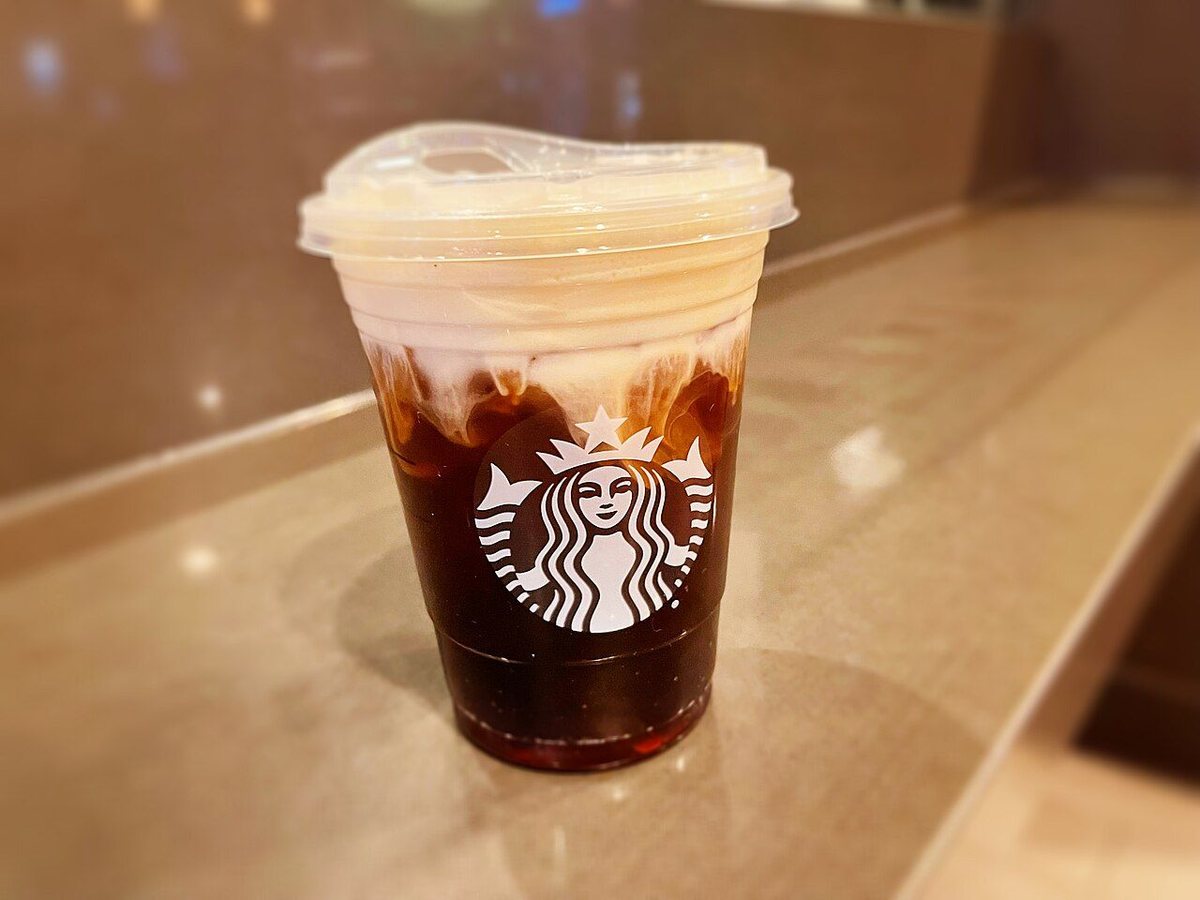
What Is Cold Brew, and Why Does It Taste Different?
Cold brew is produced by steeping coarse-ground coffee in water at cool or room temperature for an extended period — typically 12 to 24 hours — then filtering out the grounds to yield a concentrate. As Wikipedia's entry on cold brew coffee notes, the process is also called cold water extraction or cold pressing, and has been a traditional brewing method in Japan for centuries, introduced there by Dutch traders.
The flavour difference comes down to chemistry. Coffee compounds — caffeine, oils, and fatty acids — are more soluble at high temperatures, so a hot brew extracts them rapidly. Cold brewing extracts them slowly and selectively, producing what [S1] describes as "a chemical profile different from conventional brewing methods." The result is a cup with similar pH to hot coffee but a lower titratable acid concentration, which many drinkers perceive as a smoother, less sharp taste. Perhaps counterintuitively, brewing at low temperature for 24 hours can yield higher caffeine content per volume compared with a six-minute hot extraction at 98 °C — so cold brew concentrate is not a gentle drink.
This is also why cold brew stores and travels so well. As noted in coffee preparation research, coffee "maintains its character when stored cold better than as a hot beverage" — making a batch brew practical for the entire week.
Equipment You Will Need
You do not need specialist hardware. The essentials are:
- A grinder — a burr grinder is strongly preferred. Grinding uniformity matters because, as established brewing science confirms, an uneven grind produces both over- and under-extracted particles simultaneously. The Comandante C40 MK4 Nitro BladeBuy ↗ is a hand grinder widely respected for the consistency of its coarse grind settings, which makes it an excellent match for cold brew.
- A vessel — any wide-mouth jar, pitcher, or dedicated cold brew maker works. A Bodum Chambord French PressBuy ↗ doubles efficiently as both steeping vessel and built-in metal-mesh filter, eliminating the need for separate filtration.
- A filter — paper coffee filters, a fine metal sieve, or felt are all used in practice. Paper produces the clearest concentrate; metal (as in the French press plunger) leaves more oils in the cup, adding body.
- A scale — ratios by mass are far more reliable than volume scoops.
- A refrigerator — or a cool, dark room-temperature space for the steep.
Choosing Your Coffee
Medium and medium-dark roasts tend to suit cold brew well — their lower acidity and developed sweetness translate cleanly into concentrate. Lighter roasts can work beautifully if you value floral and fruit-forward notes, though the slower cold extraction may leave some of the most delicate aromatic compounds behind.
Buy whole beans and grind immediately before brewing. Freshness of the roast and grind is a key variable in extraction quality, as coffee preparation guides consistently note. Pre-ground coffee destined for cold brew loses surface aromatics quickly, and the grind size is rarely optimised for a long steep.
The Ratio: Getting the Numbers Right
Cold brew is almost always made as a concentrate and then diluted before drinking. A practical starting point:
- Concentrate ratio: 1:5 to 1:8 coffee to water by mass (e.g. 100 g coffee to 500–800 ml water)
- Ready-to-drink dilution: typically 1 part concentrate to 1–2 parts water or milk
Preferred brew ratios for hot methods generally fall in the 15–18:1 water-to-coffee range by mass. Cold brew concentrate inverts this logic deliberately — you brew strong, then dilute to taste, which also extends shelf life.
A reliable home starting point: 100 g of coarsely ground coffee to 700 ml of cold or room-temperature filtered water (approximately 1:7). After steeping and filtering, dilute 1:1 with cold water or milk when serving. Adjust the concentrate ratio stronger or weaker over subsequent batches until the diluted result tastes balanced to you.
| Concentrate Ratio | Character | Best For |
|---|---|---|
| 1:5 | Very strong, syrupy | Milk drinks, cocktails |
| 1:7 | Balanced concentrate | Versatile — dilute to taste |
| 1:8–1:10 | Lighter body | Ready-to-drink straight |
Grind Size and Consistency
For immersion brewing of any kind, a coarser grind is essential. This is not arbitrary: brewing methods that expose coffee grounds to water for longer require a coarser grind than faster methods. A grind that is too fine for the method will expose excessive surface area over the long steep, producing a bitter, harsh, over-extracted result. Conversely, an overly coarse grind can yield a weak, underwhelming concentrate unless you compensate with more coffee.
On a typical hand grinder, cold brew sits at the coarser end of the dial — on the Comandante C40 MK4 Nitro Blade, many brewers use 30–40 clicks as a starting point, though dial in to your taste. The priority is uniformity: a blade grinder produces a chaotic mix of particle sizes, which makes it far harder to control extraction.
Steep Time and Temperature
The standard guidance from cold brew literature is 12 to 24 hours. Within that range:
- 12–14 hours at room temperature (18–22 °C): brighter, slightly lighter body, more aromatic lift
- 18–24 hours in the refrigerator (3–5 °C): deeper extraction, fuller body, rounder sweetness — the cold slows extraction, so longer is needed
- Beyond 24 hours: diminishing returns and risk of over-extraction bitterness; not recommended without careful tasting
Room-temperature steeping extracts faster and can work well, but finish the steep in the refrigerator once 12–18 hours are reached, or move the whole vessel to the fridge from the start for a slower, more controlled brew. Either approach is valid; the fridge method simply requires more patience.
Quick reference:
- Room temp, 12–16 hours → filter, chill, serve
- Fridge, 18–24 hours → filter, serve
Immersion vs. Slow-Drip (Kyoto-Style)
There are two broad cold brew families, and the distinction matters.
Immersion Cold Brew
Immersion brewing — the method described throughout this guide — submerges all the grounds in all the water simultaneously and lets them steep for the full period. It is simple, repeatable, and requires minimal equipment. The French press method is a classic example of immersion.
Slow-Drip (Kyoto / Dutch Coffee)
Slow-drip, also called Kyoto-style or Dutch coffee, works differently: cold water is dripped through coffee grounds at a controlled rate over many hours, rather than submerging them. Per the historical record, the Dutch introduced this style to Japan, where it has been a traditional method for centuries. The drip rate is typically set to produce one or two drops per second, and the process can run 3–12 hours depending on the desired volume and strength.
The resulting cup is generally described as brighter and more aromatic than immersion cold brew, with a lighter body. The trade-off is equipment cost — purpose-built Kyoto towers are beautiful but expensive — and the complexity of controlling drip rate. For home brewers starting out, immersion is the practical choice. Slow-drip is worth exploring once you want to compare results side-by-side.
Step-by-Step: Immersion Cold Brew at Home
- Weigh your coffee. Start with 100 g of whole beans.
- Grind coarsely. Use a burr grinder at your coarsest setting suitable for immersion — think coarse sea salt in texture.
- Combine in your vessel. Add the grounds to your French press or jar, then pour 700 ml of cold or room-temperature filtered water over them. Stir briefly to wet all the grounds.
- Cover and steep. Seal or cover the vessel. Steep 12–16 hours at room temperature, or 18–24 hours in the refrigerator.
- Filter. If using a French press, press the plunger slowly and pour the concentrate off the grounds. For a jar, pour through a paper filter set in a fine-mesh strainer into a clean bottle — this takes patience but produces a cleaner cup.
- Store the concentrate. Transfer to a sealed glass bottle or jar and refrigerate.
- Dilute and serve. Mix approximately 1 part concentrate with 1–2 parts cold water or milk over ice. Taste and adjust.
Dilution and Serving
Cold brew concentrate is almost never intended to be drunk straight — it is designed to be diluted. The standard starting point is 1:1 concentrate to water, but your preference and the strength of your concentrate will vary.
Serving ideas:
- Over ice with cold still or sparkling water
- With whole milk, oat milk, or cream for a naturally sweet, smooth drink (dairy mutes delicate aromas but adds satisfying body and masks bitterness)
- Heated gently — yes, cold brew concentrate can be served hot by diluting with hot water, yielding a low-acid hot coffee
- As a base for coffee cocktails or espresso-style milk drinks
Note that adding sweeteners to cold brew's naturally smooth profile masks any residual bitterness and astringency — useful if you want a crowd-pleasing iced coffee, but not necessary when the extraction is dialled in.
Storage and Food Safety
Properly filtered cold brew concentrate keeps well. General food-safe guidance:
- Refrigerated concentrate: up to 2 weeks in a sealed, clean glass container. Clarity declines and flavour flattens after about 10–14 days.
- Diluted, ready-to-drink cold brew: consume within 3–5 days — once diluted, it degrades faster.
- Never leave cold brew at room temperature after brewing is complete; move it to the refrigerator promptly once filtered.
- Use clean equipment every batch. Coffee oils left in a vessel or press can go rancid and taint subsequent brews.
Cold brew is not a shelf-stable product at room temperature — treat it as you would any perishable cold beverage.
Cold Brew vs. Iced Coffee vs. Flash Brew
These three drinks are frequently confused but are made by entirely different processes:
| Method | Process | Character |
|---|---|---|
| Cold Brew | Cold steep, 12–24 hours | Low titratable acidity, full body, smooth |
| Iced Coffee | Hot brew cooled over ice | Higher acidity, lighter body, some dilution from ice melt |
| Flash Brew (Japanese Iced) | Hot pour-over brewed directly onto ice | Bright, aromatic, preserves volatile aromatics |
Iced coffee is simply hot-brewed coffee — drip, French press, or otherwise — poured over ice. It is faster, but the hot extraction retains more acids and can taste thinner once diluted by ice melt.
Flash brew (also called Japanese iced coffee) uses a hot pour-over method where the hot extraction immediately hits a bed of ice in the server. This locks in volatile aromatic compounds that would otherwise dissipate, producing a cup that is bright and aromatic in a way cold brew cannot match. It is a better showcase for high-quality light roasts.
Cold brew wins on convenience, shelf life, and smoothness. Choose your method based on the coffee you have and the experience you want — none is objectively superior.
Nitro Cold Brew: A Brief Note
Nitro cold brew begins as standard cold brew concentrate, then nitrogen gas is added — typically dispensed from a nitrogen beer tap system — to create a smooth, creamy, foam-topped texture similar to a draught stout. It was first offered at third-wave coffee shops in the early 2010s; the exact origin is disputed, with Cuvee Coffee in Austin and Stumptown in Portland both cited in historical accounts. Starbucks began rolling it out to 500 stores in summer 2016 and by 2020 offered it at more than half its US locations.
At home, nitro cold brew requires a cream whipper or dedicated nitrogen dispensing system, which puts it beyond the scope of a basic home setup — but the underlying cold brew concentrate you make with this guide is exactly what goes into the keg.
Where to buy
Every product mentioned in this guide.
- Comandante C40 MK4 Nitro BladeBuy on Amazon ↗
Grinder · $320 – $380
- Bodum Chambord French PressBuy on Amazon ↗
Brewer · $28 – $50
Frequently asked questions
- What is the best coffee-to-water ratio for cold brew?
- A reliable starting point for a concentrate is 1:7 by mass — for example, 100 g of coffee to 700 ml of water. After steeping and filtering, dilute approximately 1:1 with cold water or milk when serving. Adjust stronger (1:5) if you want a richer concentrate for milk drinks, or weaker (1:8–1:10) if you prefer to drink it more lightly diluted.
- How long should I steep cold brew coffee?
- Standard guidance is 12 to 24 hours. At room temperature (around 18–22 °C), 12–16 hours is typically sufficient. In the refrigerator (3–5 °C), 18–24 hours is recommended because cold water extracts more slowly. Steeping beyond 24 hours risks over-extraction and bitterness.
- What grind size should I use for cold brew?
- Use a coarse grind — roughly the texture of coarse sea salt. Finer grinds expose too much surface area over the long steep, producing a bitter, harsh result. A quality burr grinder, such as the Comandante C40 MK4 Nitro Blade, produces the uniform coarse grind that immersion cold brew requires.
- How long does cold brew concentrate last in the fridge?
- Properly filtered cold brew concentrate stored in a sealed, clean glass container in the refrigerator will keep for up to two weeks, though flavour is best in the first 10–14 days. Once diluted into a ready-to-drink serving, consume within 3–5 days. Never leave cold brew at room temperature after brewing is complete.
- Is cold brew the same as iced coffee?
- No. Iced coffee is hot-brewed coffee cooled and poured over ice. Cold brew is made entirely without heat, by steeping coarse grounds in cold or room-temperature water for 12–24 hours. The processes produce different chemical profiles: cold brew has a lower titratable acid concentration and a characteristically smooth, full-bodied flavour.
- Can I use a French press to make cold brew?
- Yes — a French press is one of the most practical vessels for immersion cold brew. Add coarse-ground coffee and cold water, let it steep for 12–24 hours (covered, in the fridge or at room temperature), then press the plunger slowly and pour off the concentrate. The metal mesh filter leaves more oils in the cup, adding body. The Bodum Chambord French Press works well for this purpose.
- What is Kyoto-style or slow-drip cold brew?
- Slow-drip cold brew — also called Kyoto-style or Dutch coffee — works by dripping cold water through coffee grounds over many hours, rather than fully submerging them. Historically, the Dutch introduced this method to Japan, where it has been a traditional brewing style for centuries. The result tends to be brighter and more aromatic than immersion cold brew, but the equipment (a purpose-built drip tower) is more expensive and complex.
See also