Guides · Brewing
Espresso Fundamentals: Dose, Yield, and Time
How dose, yield, and time interact to produce a great shot, plus puck prep, dialing in, and the machines and grinders that make it possible.
We may earn a commission when you buy through links on this page, at no additional cost to you.
Key facts
- Typical volume
- 25-30 ml with reddish-brown crema layer
- Extraction time
- 25-30 seconds, up to 35 seconds in specialty
- Standard dose
- 16-20 grams of ground coffee
- Common brew ratio
- 1:2, one part coffee to two parts liquid
- Tamping pressure
- 15-20 kg of downward pressure
- Key equipment
- Burr grinder more important than machine
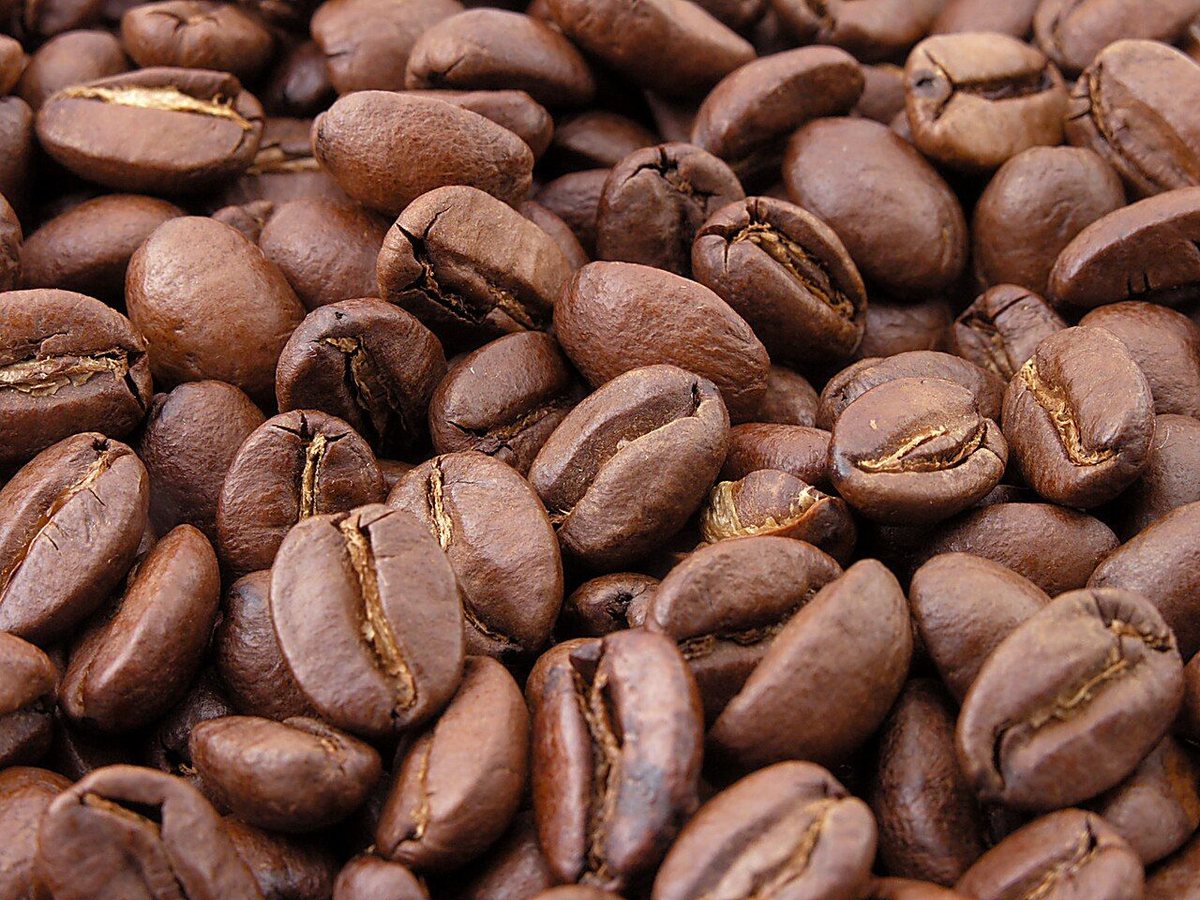
What Is Espresso, Really?
Espresso is coffee made by forcing hot water under high pressure through a compact bed of finely ground coffee. The result is a small, concentrated beverage—typically 25–30 ml—with a distinctively rich body and a layer of reddish-brown foam called crema. The whole extraction happens fast, usually 25–30 seconds, which is part of what makes the method so demanding: small errors in any variable are magnified in the final cup.
Understanding espresso means understanding what happens inside the puck. Pressure drives hot water through thousands of microscopic channels between coffee particles, dissolving and suspending solids at a rate far higher than drip brewing. The resulting beverage contains more dissolved and suspended solids per milliliter than virtually any other brew method, giving espresso its characteristic viscosity and intensity.
The Recipe Triangle: Dose, Yield, and Time
Every espresso shot is defined by three variables. Change one and the others need to respond.
Dose
Dose is the mass of dry ground coffee loaded into the portafilter basket, measured in grams. Most modern double-basket recipes call for somewhere between 16 g and 20 g, depending on the basket's rated capacity. The dose sets the ceiling for how much flavour potential is available—you cannot extract what isn't there.
- A heavier dose produces a denser puck, which the water must work harder to penetrate. All else equal, this slows the shot and increases body.
- A lighter dose in the same basket leaves more headspace, reduces resistance, and tends to speed the shot up.
Always weigh your dose. Volumetric scoops introduce variability of a gram or more, which is enough to shift the shot noticeably.
Yield
Yield (also called output or beverage weight) is the mass of liquid espresso in the cup, also measured in grams. The ratio of yield to dose is the brew ratio, typically written as 1:2 (one part coffee to two parts espresso liquid). A 18 g dose pulled to 36 g yield is a 1:2 ratio—the textbook starting point for a balanced double.
For reference across the spectrum:
| Style | Ratio | Example (18 g dose) |
|---|---|---|
| Ristretto | ~1:1 | ~18 g yield |
| Normale | ~1:2 | ~36 g yield |
| Lungo | ~1:3 | ~54 g yield |
Lower ratios concentrate flavour and sweetness but can emphasise bitterness if taken too far. Higher ratios add brightness and length but thin out body. The extraction article covers the chemistry in depth, but the practical rule is: if the shot tastes bitter and harsh, pull more liquid; if it tastes sour and thin, pull less.
Time
Time is the total duration from the moment the pump starts to when you stop the shot. The target window is conventionally 25–30 seconds for a 1:2 double, though modern specialty practice often runs 28–35 seconds depending on roast level and bean origin.
Time is less a direct control lever and more a diagnostic readout. You don't set time—you set dose, grind size, and yield, and time is what results. If the shot runs in 15 seconds, the grind is too coarse; if it takes 50 seconds, it's too fine.
Puck Prep
Before water ever touches coffee, the puck has to be prepared correctly. Poor puck prep is responsible for more bad espresso than any other single factor.
Grinding Fresh
Grind immediately before the shot. Espresso-ground coffee goes stale in minutes once exposed to air—the enormous surface area that makes rapid extraction possible also accelerates oxidation. A quality grinder is arguably more important than the machine itself. Burr grinders—especially flat-burr and conical-burr designs—produce the uniform particle distribution that espresso demands. The Niche ZeroBuy ↗, with its conical steel burrs and single-dose workflow, is well regarded for home use precisely because it minimises retention and delivers consistent grind size across the dose.
Distribution
After grinding into the basket, coffee grounds are rarely evenly distributed. Clumps and mounds create channels—paths of least resistance where water bypasses most of the puck. Even distribution before tamping is critical:
- Tap or tap-rake the portafilter lightly to settle the bed.
- Use a distribution tool (a.k.a. a dosing funnel and leveller) to create a flat, even surface.
- Alternatively, the Stockfleth move—rotating a finger across the basket rim—achieves similar results with practice.
Tamping
Tamping compresses the puck into a uniform, dense bed. Apply 15–20 kg of downward pressure with a flat tamp, keeping the tamp perfectly level. An angled tamp creates a sloped puck surface, and the water will always find the thinner side first, causing channeling.
After tamping, inspect the puck surface: it should be flat, smooth, and sitting a consistent distance from the basket rim (typically 5–7 mm of headspace for the shower screen to compress the puck slightly on lock-in).
WDT (Weiss Distribution Technique)
For grinders with significant clumping or static, WDT—stirring the grounds in the basket with a fine needle or wire tool before tamping—can substantially improve puck uniformity. It's particularly useful for budget grinders or very light roasts that tend to clump.
Reading the Shot
Watch the espresso as it flows. The visual cues are a real-time diagnostic.
- Pre-infusion phase: Many machines apply low pressure for a few seconds before ramping to full pressure. This wets the puck and helps even out extraction. Machines like the Breville Bambino PlusBuy ↗ have automatic pre-infusion built in.
- First drops: Espresso should begin to drip or flow within 5–10 seconds of the pump starting. Much faster suggests coarse grind; much slower suggests fine.
- Flow colour: The initial pour is dark and thick—this is the early extraction, rich in oils and compounds. Colour then lightens toward reddish-amber. When the stream turns pale gold or blonde, the most desirable solubles have been extracted. Many baristas stop the shot at this blonding point rather than hitting a fixed time.
- Flow rate: A steady, even pour resembling warm honey is ideal. Spurting, gushing, or spiraling flows all suggest channeling.
- Crema: A well-extracted shot ends with a persistent, reddish-tan crema. Pale, thin, or spotty crema can indicate under-extraction or stale coffee; very dark, bitter crema often means over-extraction.
Dialing In
Dialing in means iterating your variables until the shot falls within the target parameters and tastes balanced. Here is a systematic approach:
Step 1: Fix Your Dose
Choose a dose that fills your basket correctly—neither overfull (which risks the shower screen compressing the puck too hard) nor underfull (which creates a loose puck with too much headspace). For most 58 mm double baskets, 18 g is a sound starting point.
Step 2: Set a Target Yield
Start at 1:2 (36 g out for 18 g in). Weigh the yield every shot with a scale under the cup.
Step 3: Adjust Grind Size to Hit Time
If your 36 g yield arrives in under 20 seconds, grind finer. If it takes over 40 seconds, grind coarser. Make one grind adjustment at a time and pull another shot. This is why a precise, stepless or micro-stepped grinder like the Niche Zero or a grinder with fine adjustment makes dialing in dramatically easier.
Step 4: Taste and Adjust Ratio
Once your shot is running in the right time window, taste it critically:
- Sour, sharp, thin: Under-extracted. Try a finer grind (slows the shot, extracts more) or a slightly higher yield.
- Bitter, harsh, drying: Over-extracted. Try a coarser grind or a slightly lower yield.
- Flat, neutral, lacking sweetness: Often stale coffee, but also check water temperature and roast freshness.
Step 5: Keep Notes
Write down your dose, yield, time, grind setting, and tasting notes for every session. Espresso is sensitive to ambient humidity, bean age, and even barometric pressure. Notes let you return to a known good setting after a bag change or a day off.
Machines for Getting Started
The variables above apply universally, but the machine shapes how much control—and forgiveness—you have.
The Gaggia Classic ProBuy ↗ is a longtime entry-level benchmark: a commercial-style 58 mm portafilter, a pressurised option for beginners (though the unpressurised basket rewards proper puck prep), and a community large enough that modifications and troubleshooting guides are easy to find. Its manual workflow means you learn the fundamentals hands-on.
The Breville Bambino Plus automates pre-infusion and has a fast heat-up time, making it more forgiving for newer brewers. The trade-off is less manual control over pressure profiling. For someone who wants great espresso quickly without a steep learning curve, it's a sensible choice.
Both machines use a 58 mm (or 54 mm, in Breville's case) portafilter and reward the same fundamental approach: consistent dose, careful distribution, flat tamp, and attention to the pour.
A Note on Grinders
Espresso is the brew method most sensitive to grind consistency. The difference between a shot that channels and one that extracts evenly often comes down to how uniform the particle size distribution is—a function almost entirely of the grinder, not the machine. Read the full grinding guide for detail on burr geometry, retention, and why grinder investment typically pays off faster than machine upgrades at the entry level.
For espresso specifically, look for:
- Flat or conical burrs (not blade grinders, ever)
- Stepless or fine micro-step adjustment to dial in precisely
- Low retention so that yesterday's grind doesn't contaminate today's dose
- Consistent RPM to avoid heat build-up that can alter flavour
Putting It Together
Espresso rewards a methodical mindset. The recipe is simple—dose, yield, time—but the precision required to execute it consistently is what makes it challenging and compelling. Start with a fixed dose, a 1:2 ratio target, and use time as your diagnostic. Fix puck prep before you touch any other variable. When the shot looks right and tastes balanced, you've dialed in.
From there, the deeper rabbit holes open up: pressure profiling, temperature surfing, experimenting with light-roast ratios, exploring how different origins respond to different brew ratios. But every one of those experiments starts from the same foundation covered here.
For the full science behind what's happening in the cup, see Extraction: Yield & Strength.
Where to buy
Every product mentioned in this guide.
- Niche ZeroBuy from Niche ↗
Grinder · $620 – $750
- Breville Bambino PlusCheck price on Amazon ↗
Espresso Machine · $400 – $520
- Gaggia Classic ProCheck price on Amazon ↗
Espresso Machine · $400 – $520
Frequently asked questions
- What is a good starting espresso recipe for a home machine?
- A reliable starting point is an 18 g dose pulled to a 36 g yield (a 1:2 brew ratio) in 25–30 seconds. Weigh both your dose and your yield on a scale, and adjust grind size if the time falls outside that window.
- Why does my espresso taste sour?
- Sourness usually indicates under-extraction—the water moved through the puck too quickly and didn't dissolve enough of the sweeter, heavier compounds. Try grinding finer to slow the shot down, or increase your yield slightly by letting the shot run a little longer.
- Why does my espresso taste bitter?
- Bitterness typically points to over-extraction: too much of the coffee's soluble material has been dissolved, including harsher compounds. Try grinding coarser, reducing your yield, or checking whether your dose is too low for the basket size.
- What does 'dialing in' mean?
- Dialing in refers to the process of adjusting your grind size, dose, and yield until your shot runs in the target time window and tastes balanced. It usually requires pulling several consecutive shots with incremental grind adjustments, and keeping notes so you can repeat a successful setting.
- How important is the grinder compared to the espresso machine?
- For most home setups, the grinder has more impact on shot quality than the machine. Espresso is extremely sensitive to grind consistency—uniform particle size prevents channeling and uneven extraction. A quality burr grinder paired with a modest machine will generally outperform an expensive machine paired with a poor grinder.
- What is crema and is it a sign of good espresso?
- Crema is the reddish-tan foam that forms on top of a freshly pulled espresso shot, produced when pressurised water releases dissolved CO₂ from the coffee. A persistent, reddish crema suggests fresh coffee and a well-executed extraction, but crema alone is not a guarantee of quality—very fresh (under-rested) beans can produce an excess of crema with less flavour development.
- What is the difference between a ristretto, normale, and lungo?
- These terms describe different brew ratios. A ristretto uses roughly a 1:1 ratio (very concentrated, short), a normale uses about 1:2 (the standard double espresso), and a lungo uses around 1:3 (longer, more extracted, lighter body). Each has a different flavour profile: ristretto is sweet and dense, lungo is brighter and thinner.
See also