Knowledge · geography
Tarrazú, Costa Rica
Costa Rica growing region
Key facts
- Location
- Los Santos zone, Talamanca highlands, Costa Rica
- Altitude
- 1,200 to 1,900 metres
- Primary varieties
- Caturra, Catuai, Villa Sarchi
- Processing methods
- Washed, honey, natural
- Flavor profile
- Clean, bright, citrus, red apple, brown sugar
- Known for
- Micro-mill revolution and processing innovation
- Beans we stock
- 79 from Costa Rica
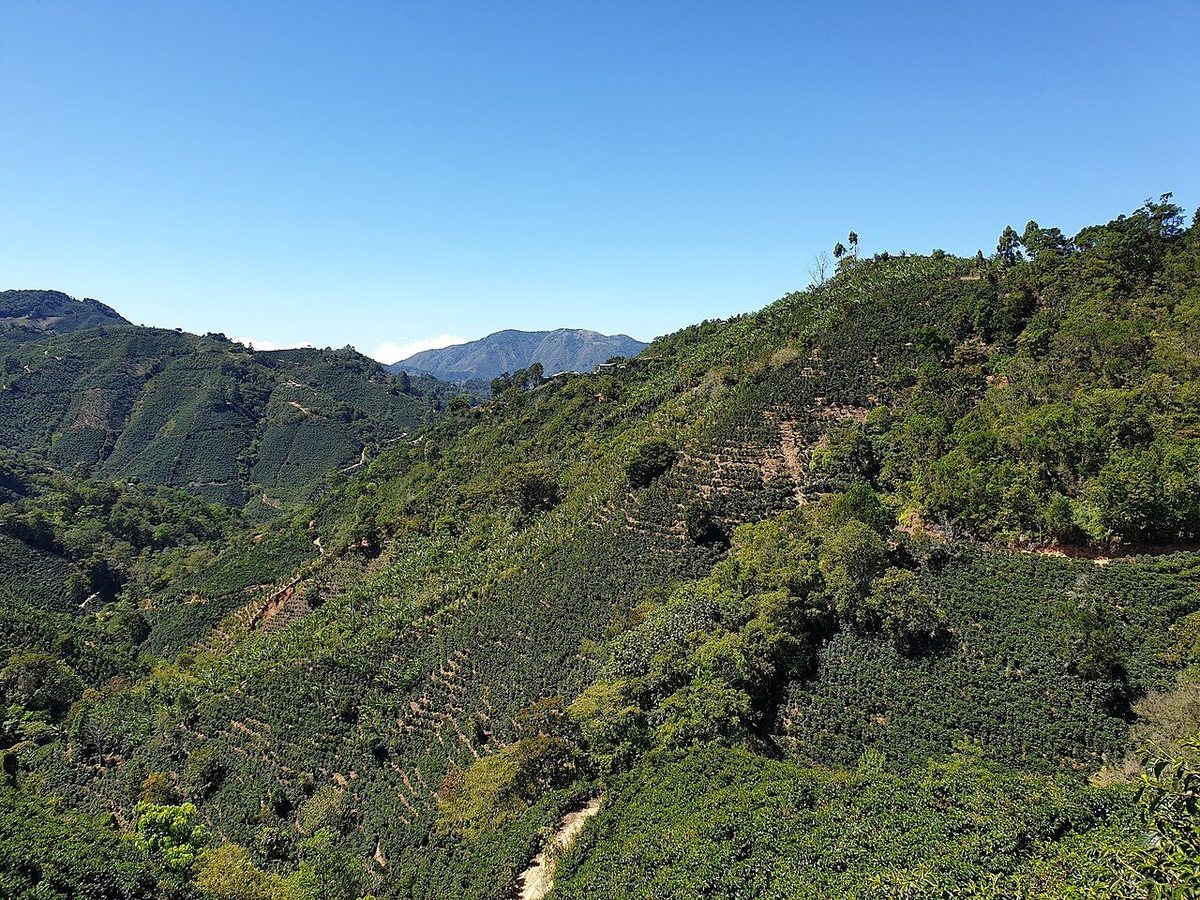
Tarrazú, in the Los Santos zone of Costa Rica's Talamanca highlands south of San José, is the country's most prestigious growing region, producing high-grown 'SHB' (Strictly Hard Bean) coffee between about 1,200 and 1,900 metres. Since Costa Rica banned the planting of robusta and pushed quality reforms, Tarrazú has led the nation's micro-mill revolution that took off in the mid-2000s, when families began processing their own cherry and pioneering 'honey' and natural methods that now define modern Costa Rican coffee. The cups are clean, bright, and sweet — citrus, red apple, brown sugar, and a crisp acidity — built on Caturra and Catuai. Tarrazú exemplifies how processing innovation and traceability transformed a country once known mainly for washed consistency.
At a glance
- Altitude: 1200–1900 masl
- Typical varieties: Caturra, Catuai, Villa Sarchi
- Common processes: Washed, Honey
- Harvest: 11, 12, 1, 2
Climate
High mountain climate with a pronounced dry season ideal for honey and natural processing.
Soil & terroir
Volcanic mountain soils with good drainage.
Coffees demonstrating this
From our catalog of in-stock beans.
See also