Knowledge · roasting
Roast Levels Explained
From Agtron numbers to flavor trade-offs: a complete guide to the light, medium, and dark roast spectrum
Key facts
- Measurement standard
- Agtron score using near-infrared spectrophotometry
- Light roast range
- Before or just through first crack
- Medium roast range
- Past first crack to balance point
- Dark roast range
- Into or through second crack
- Key chemical reactions
- Maillard reaction and caramelization
- Light roast flavor
- High acidity, fruit-forward, tea-like body
- Dark roast flavor
- Low acidity, smoke and chocolate notes
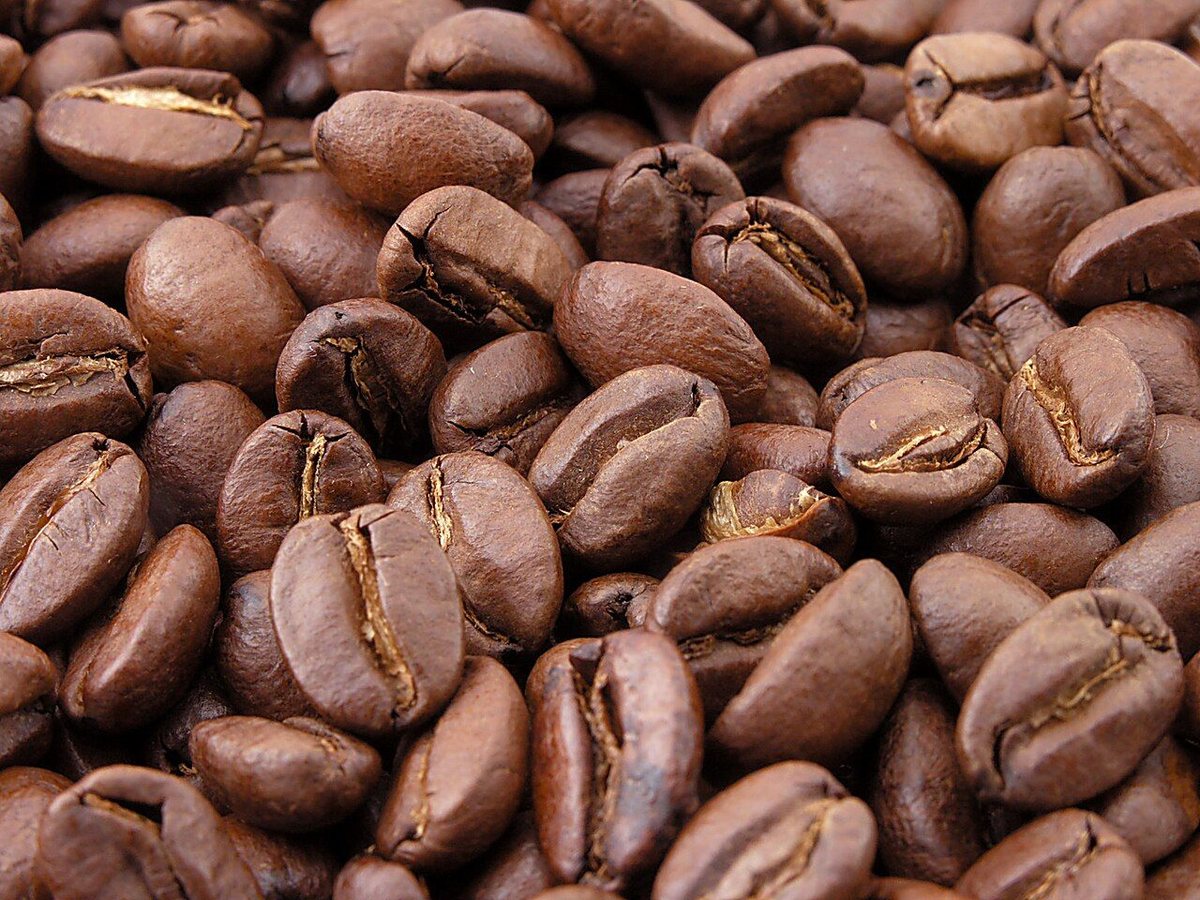
What Roast Level Actually Means
When specialty coffee professionals refer to roast level, they are describing the cumulative degree of physical and chemical transformation that green coffee undergoes inside a roasting drum or fluid-bed machine. As coffee roasting progresses, green beans absorb heat and pass through a series of endothermic and exothermic reactions — most notably the Maillard reaction and caramelization — that produce the hundreds of volatile aromatic compounds responsible for everything we recognize as coffee flavor.
Green, unroasted beans already contain acids, proteins, sugars, and caffeine in substantial quantities. What they lack is the developed taste of roasted coffee, which only emerges through those heat-driven reactions. Roast level is therefore best understood not as a simple "color setting" but as a record of how far those transformations have been allowed to proceed before heat is removed and the beans are cooled.
Several measurement systems exist to quantify roast level objectively:
- Agtron score — the most widely cited specialty-industry standard, using near-infrared spectrophotometry to measure the reflectance of ground or whole-bean coffee. Higher Agtron numbers indicate lighter roasts (more reflectance); lower numbers indicate darker roasts. The Specialty Coffee Association (SCA) Roast Color Classification System divides the spectrum into eight tiles, commonly ranging from roughly Agtron 95 (very light) down to roughly Agtron 25 (very dark).
- Visual / sensory descriptors — terms such as cinnamon, city, full city, Vienna, and French are widely used in trade but are inconsistently defined across roasters, making Agtron or similar colorimetric readings a more reliable shared language.
- Internal bean temperature at drop — roasters commonly log the bean temperature at which development ends, providing a reproducible roast profile record, though the same drop temperature can produce different colors depending on the rate at which that temperature was approached.
For a deeper look at the biochemistry behind these transformations, see The Chemistry of Roasting.
The Light-to-Dark Spectrum
The roast spectrum is a continuum, but the industry conventionally groups it into three broad bands. Each band corresponds to recognizable physical characteristics and a distinct flavor profile. Detailed treatments of each level are available on the Light Roast, Medium Roast, and Dark Roast pages; what follows is a comparative overview.
Light Roasts
Light roasts are taken to a relatively early stage of development — typically before or just through first crack, and well short of second crack. The beans retain a pale tan-to-medium-brown surface with no visible oil. Agtron scores for light roasts are commonly cited in the upper range of the SCA scale, reflecting high reflectance.
Key characteristics:
- Highest perceived acidity of any roast level, as the organic acids present in green coffee (citric, malic, phosphoric, and others) are largely preserved rather than degraded
- Origin character is most transparent at this level — varietal nuances, terroir, and processing method flavors are least obscured by roast-derived flavors
- Sweetness is present but often expressed as fruit-forward or floral rather than caramel or chocolate
- Body tends to be lighter and more tea-like in texture
- Roast-associated flavors (smoky, bitter, ashy) are minimal to absent
Medium Roasts
Medium roasts are developed past first crack to a point of balance between origin character and roast character. Beans are medium brown, still typically without surface oil, and the Agtron score sits in the mid-range of the scale.
Key characteristics:
- Acidity is softened compared to light roasts; bright fruit notes may shift toward stone fruit, dried fruit, or mild citrus
- Sweetness is often at its most pronounced, as caramelization of sugars is well underway
- Body is fuller and more viscous than light roasts
- A balance of origin and roast flavors makes this level broadly accessible and highly versatile across brew methods
- Widely used by specialty roasters who want approachable cups without sacrificing traceability
Dark Roasts
Dark roasts are carried into or through second crack, producing dark-brown to near-black beans with varying degrees of surface oil. Agtron scores fall at the low end of the scale.
Key characteristics:
- Acidity is sharply reduced as organic acids are thermally degraded
- Roast flavors dominate — smoke, bittersweet chocolate, carbon, and sometimes a characteristic pungency
- Body can feel heavy or syrupy, though this is partly a function of dissolved roast compounds rather than retained origin structure
- Origin character is largely masked, making traceability of varietal or processing nuance difficult
- Dark roasts are the historical baseline for espresso in many European traditions, though specialty usage has increasingly migrated toward medium and lighter profiles
How Flavor Attributes Trade Off Across the Spectrum
Understanding roast level as a series of trade-offs is more useful than thinking of any single level as objectively superior. The key axes are:
Acidity
Organic acids are partially degraded as roasting progresses. Light roasts preserve the full acid profile of the green bean, contributing brightness and complexity. As roast level increases, many of these acids break down, and the perceived acidity diminishes. At very dark roast levels, additional bitter compounds are generated that can suppress the perception of any remaining acidity further.
Sweetness
The sweetness arc across the spectrum is non-linear. Early in the roast, simple sugars begin caramelizing and contributing sweetness. Mid-roast levels often represent a peak of perceived sweetness. At dark roast levels, prolonged heat converts sweetness into bitterness as more Maillard and pyrolysis products accumulate.
Body
Body — the tactile weight and mouthfeel of brewed coffee — generally increases through the spectrum, though the nature of that body changes. Light-roast body is often described as delicate or silky; medium-roast body as round; dark-roast body as heavy or coating. Very dark roasts can produce a drying astringency that paradoxically reduces the sensation of smooth body.
Roast Flavor
Roast-derived flavors (caramel, toffee, dark chocolate, smoke, ash, carbon) are essentially absent in light roasts and accumulate progressively toward the dark end. These flavors are generated by the same Maillard reaction and caramelization processes that also produce desirable complexity, so the question for roasters is always one of balance: how much roast character enhances, versus overwhelms, the underlying green coffee's attributes.
Caffeine
A common misconception holds that dark roasts are significantly higher in caffeine. In fact, because roasting drives off water and CO₂, darker beans are less dense by mass. Brewed by weight, roast level has a minimal effect on caffeine content. The perception of a "stronger" dark roast is primarily a flavor phenomenon rather than a pharmacological one.
Roast Development and the Role of First and Second Crack
Two audible and measurable events — first crack and second crack — serve as key waypoints in the roasting process and directly bracket the practical roast-level spectrum used in specialty coffee.
First crack occurs as steam and CO₂ build up sufficient pressure inside the bean to fracture the cell walls with a cracking sound. It marks the transition from an endothermic to an exothermic phase and is generally considered the minimum threshold for drinkable coffee. Specialty light roasts are often dropped shortly after first crack begins or ends.
Second crack signals a more aggressive structural breakdown and the onset of carbonization. Oils migrate to the bean surface. Roasts taken into or past second crack are, by definition, dark roasts. The window between first and second crack is where the vast majority of specialty roasting occurs, and managing roast development and crack precisely within that window is central to the craft.
Degree of development — often expressed as development time ratio (DTR), the percentage of total roast time spent after first crack — is a critical variable independent of final color. Two batches with identical Agtron scores but different DTRs will taste noticeably different, with lower DTR potentially producing underdeveloped, bready, or "roasty-sour" notes and higher DTR producing more integrated sweetness and clarity.
Matching Roast Level to Coffee Origin
One of the most consequential decisions a roaster makes is calibrating roast level to the characteristics of a specific green coffee. The general principle is that roast level should serve the coffee, not override it.
High-Grown Washed Coffees
Coffees from high-altitude origins processed using the washed method — such as those from Ethiopia's Yirgacheffe zone, Kenya's central highlands, or Colombia's Nariño department — typically arrive with pronounced acidity, complex fruit and floral aromatics, and a clean cup profile. These characteristics are best preserved at light to medium-light roast levels. Pushing such coffees dark destroys the very qualities that make them exceptional and expensive.
Natural and Honey Processed Coffees
Fruits-forward coffees processed using natural or honey methods often carry higher residual sugar and fermentation-derived sweetness. These can tolerate — and sometimes benefit from — a slightly deeper development into the medium range, where caramelization complements rather than clashes with their inherent sweetness.
Lower-Grown or Robusta-Containing Blends
Coffees grown at lower altitudes, or blends incorporating Robusta for body and crema, have less inherent acid-brightness and aromatic complexity to preserve. They tend to perform well at medium to dark roast levels, where roast-derived flavors can add character that the green coffee itself does not supply in abundance.
Monsooned and Aged Coffees
Specialty categories such as Indian Monsooned Malabar — where beans are intentionally exposed to monsoon humidity, swelling and losing acidity — are already low in brightness as green coffees. Medium-dark roasting integrates naturally with their earthy, low-acid profile.
Matching Roast Level to Brew Method
Roast level interacts with brew method in ways that significantly affect the final cup. The main variables are extraction rate and how roast-derived compounds behave under different conditions.
Espresso
Espresso extracts at high pressure and high temperature in a short time, concentrating all flavor compounds — including bitterness and roast-derived astringency. Historically, medium-dark to dark roasts were standard for espresso because the lower acidity and more soluble structure of darker beans produced a stable, balanced concentrated shot. However, the specialty movement has demonstrated that medium and even medium-light roasts can work well for espresso when grind, dose, and extraction are dialed in carefully, and many roasters now offer dedicated espresso profiles at lighter levels to showcase origin character.
Filter / Pour-Over
Filter brewing extracts at lower pressure and typically lower total dissolved solids (TDS). This gentler extraction suits light to medium roasts particularly well: the higher acidity reads as brightness rather than harshness, and the delicate aromatic compounds that distinguish single-origin coffees remain perceptible. Very dark roasts in filter brewing can produce flat, ashy cups because the origin compounds have been destroyed and the roast flavors, undiluted by espresso's concentration effect, become overwhelming.
French Press and Immersion Methods
Full-immersion methods like French press retain more oils and fine particles, naturally producing a heavier body. This suits medium roasts and can accommodate medium-dark. The extended contact time can accentuate bitterness in dark roasts, though some drinkers prefer precisely this effect.
Cold Brew
Cold brew's long extraction at low temperature tends to suppress acidity and amplify body and sweetness. Both medium and medium-dark roasts are common choices; the reduced acidity of darker roasts is less of a sacrifice in this method since cold brew itself mutes acidity, and the heavier body compounds extract well in cold water over time.
Moka Pot and Stovetop Brewing
Moka pots operate at moderate pressure and relatively high temperature. Medium to medium-dark roasts are traditional and well-suited, though lighter roasts have become increasingly common among specialty drinkers willing to adjust grind and technique.
A Note on Terminology and Consistency
One persistent challenge in the roast-level conversation is the lack of standardized commercial terminology. Terms like "city," "full city," "Vienna," "French," and "Italian" are widely used but inconsistently defined across roasters, regions, and eras. A roast labeled "medium" by one roaster may correspond to what another calls "medium-dark."
The most reliable approach for consumers is to look for:
- Agtron scores or colorimetric readings when provided by the roaster
- Tasting notes that suggest roast level — if a roaster describes jasmine, bergamot, and peach, the coffee is almost certainly light; if the notes are dark chocolate, smoke, and brown sugar, expect medium-dark to dark
- Intended brew method guidance on the bag, which often correlates with roast level
- Roast date — freshness matters regardless of level, but lighter roasts typically reach peak flavor expression somewhat later after roast than very dark roasts, which degas rapidly
As the specialty coffee industry continues to mature, greater transparency around roast-level measurement is gradually becoming an expected part of quality communication between roasters and consumers.
In this section
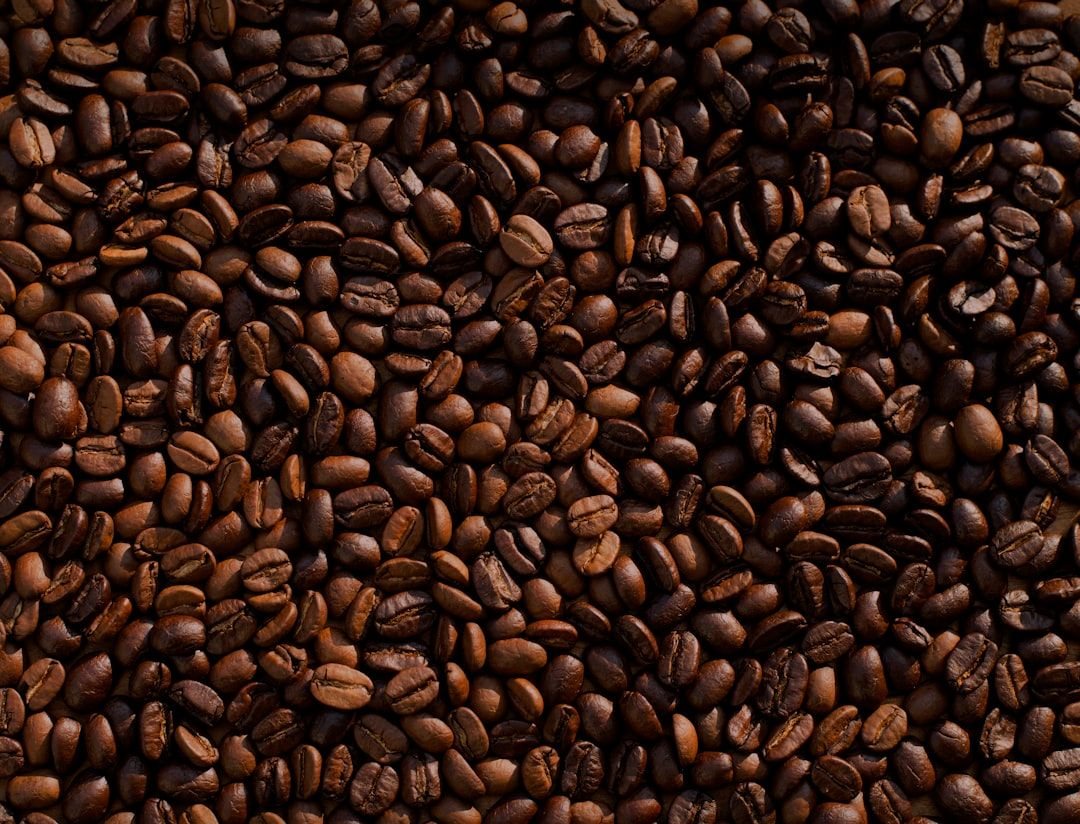
Dark Roast
Dark roast coffee is defined by its journey into or beyond second crack, where high bean temperatures drive off acids, degrade chlorogenic compounds, and push oils to the surface—producing the bittersweet, smoky, full-bodied character that has defined espresso traditions from Naples to Lyon for generations.
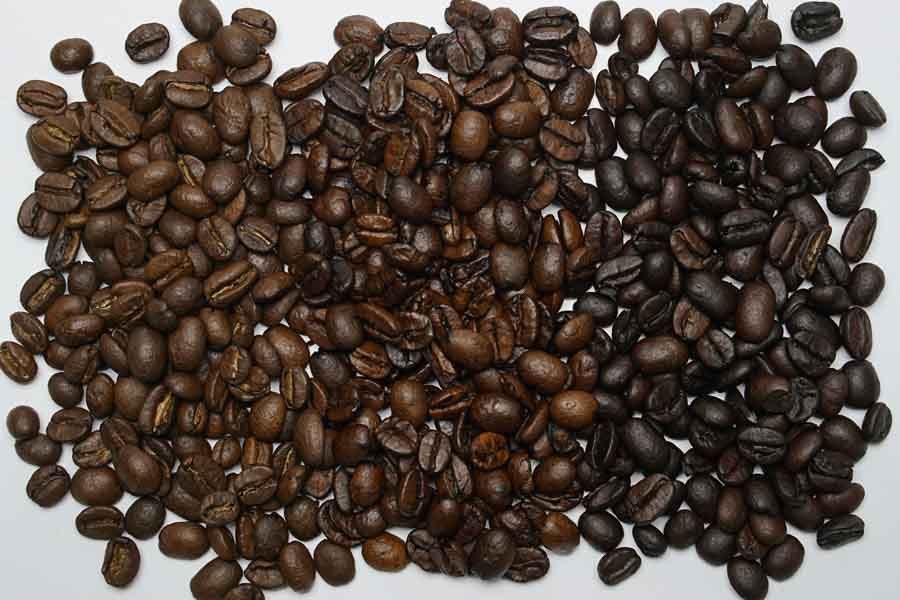
Light Roast
Light roast coffee is dropped from the roaster at or just after first crack, preserving the bean's original chemical character, maximising perceived acidity, and revealing the terroir of its origin. It is the dominant style in contemporary specialty filter coffee.
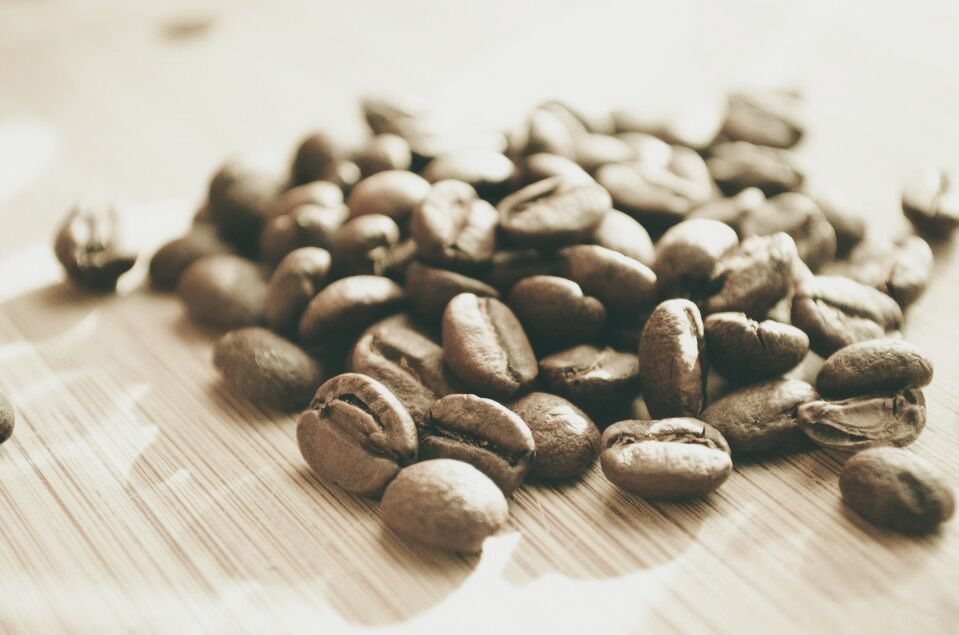
Medium Roast
Medium roast is the widely favored middle ground of coffee roasting, developed between first and second crack to yield beans with balanced acidity, body, and sweetness. Its versatility across virtually every brew method and its faithful expression of both origin character and roast-derived flavor have made it the defining style of specialty coffee's mainstream.
Frequently asked questions
- What is the Agtron scale and how does it measure roast level?
- The Agtron scale uses near-infrared spectrophotometry to measure the reflectance of coffee — either ground or whole bean. Higher numbers indicate lighter roasts (more reflective, less developed); lower numbers indicate darker roasts. The SCA Roast Color Classification System uses a set of physical color tiles spanning the spectrum, giving roasters and buyers a shared, objective reference point beyond subjective color descriptions.
- Does dark roast coffee have more caffeine than light roast?
- This is a common misconception. Roasting drives off water and CO₂, making darker beans less dense by mass. When coffee is measured and brewed by weight — as specialty brewing standards recommend — the difference in caffeine content between roast levels is minimal. The perception of "strength" in a dark roast is primarily a flavor characteristic, not a reflection of higher caffeine.
- Which roast level is best for espresso?
- Traditionally, medium-dark to dark roasts were preferred for espresso because their lower acidity and more soluble structure produce a stable, balanced shot under high-pressure extraction. However, many specialty roasters now use medium and even medium-light roasts for espresso to highlight origin character — though this requires careful attention to grind size, dose, and extraction parameters.
- Why do light roasts taste more acidic?
- Light roasts preserve the organic acids naturally present in green coffee — including citric, malic, and phosphoric acids — because they have not been subjected to the prolonged heat that breaks those acids down. As roast level increases, these acids degrade progressively, reducing perceived brightness and acidity.
- What is development time ratio (DTR)?
- Development time ratio (DTR) is the percentage of total roast time that occurs after first crack begins. It is a key variable in roast profiling: two batches with the same final color or Agtron score can taste very different if their DTRs differ. A low DTR may produce underdeveloped, bready, or sour notes; a higher DTR typically integrates sweetness and reduces harsh edges, though excessive development pushes toward roast-forward flatness.
- How do I know what roast level a bag of coffee is without an Agtron score?
- In the absence of a colorimetric reading, look at the roaster's tasting notes: descriptors like jasmine, citrus, stone fruit, or bergamot suggest a light roast; caramel, milk chocolate, and dried fruit suggest medium; dark chocolate, smoke, and walnut suggest medium-dark to dark. Many specialty roasters also indicate a recommended brew method, which is a reliable indirect signal of roast level.
See also