Knowledge · sensory
Coffee Defects
A reference guide to SCA-classified green defects, secondary flaws, and common cup taints—including how each is counted, what causes it, and what it tastes like.
Key facts
- Defined by
- SCA green coffee grading framework
- Primary defect threshold
- Zero allowed for Specialty Grade
- Secondary defect limit
- Maximum five in 350g sample
- Counted by
- Defect equivalents in reference sample
- Most severe defects
- Full black, full sour, dried cherry, fungus
- Common insect pest
- Coffee berry borer beetle
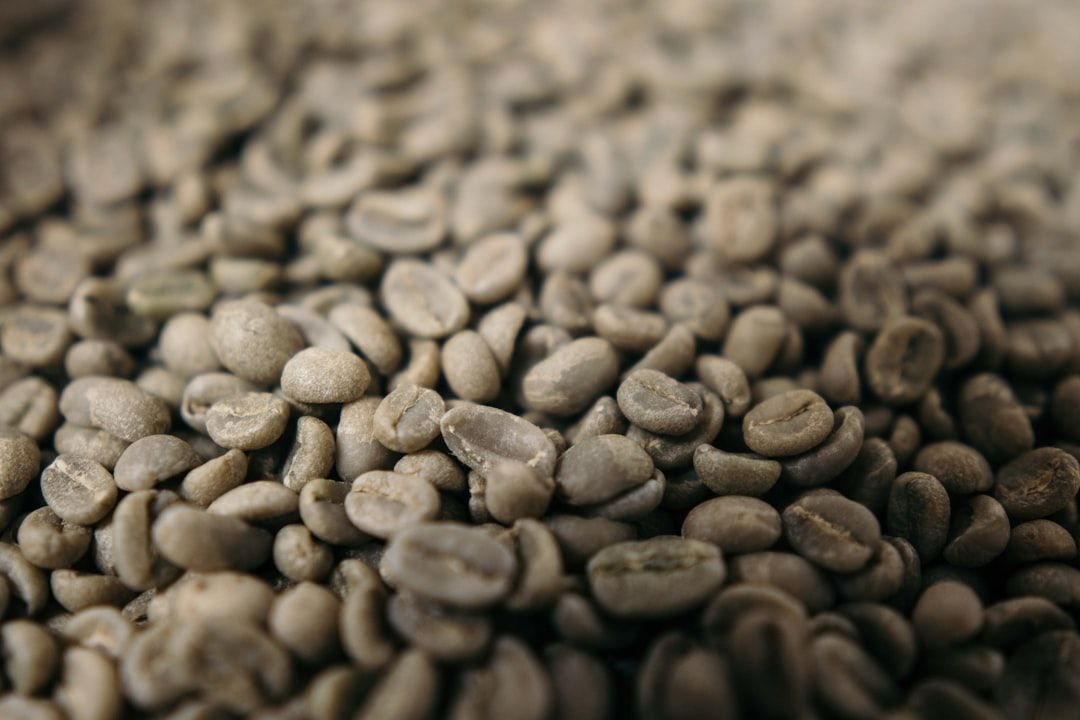
What Are Coffee Defects?
A coffee defect is any characteristic of a green bean or a brewed cup that deviates from accepted quality benchmarks and negatively affects the sensory experience. Defects arise at every stage of the supply chain: poor selective picking of unripe or overripe cherries, inadequate processing, improper drying, faulty storage, pest damage, or post-harvest mishandling can all introduce flaws that persist into the roasted and brewed product.
The SCA—whose research and standards underpin much of specialty coffee trade globally—provides a structured grading framework that separates defects into primary (Category 1) and secondary (Category 2) groups for green coffee evaluation, and the sensory community has catalogued an additional layer of cup taints identified through cupping and formal sensory evaluation. Understanding both layers is essential for anyone assessing coffee on the SCA 100-point scale.
The SCA Defect Classification System
The SCA Green Coffee Grading system quantifies defects by counting defect equivalents in a reference sample, typically 350 grams. Each defect type is assigned a numerical weight—the number of occurrences that constitute one "full defect"—allowing different defect types to be combined into a single score.
Specialty Grade Requirements
- Specialty Grade (Grade 1): Zero primary (Category 1) defects allowed; a maximum of five secondary (Category 2) defects permitted in the 350 g sample. The coffee must also present zero quakers (unripe beans that fail to roast properly).
- Premium Grade (Grade 2): Zero primary defects; up to eight secondary defects.
- Exchange, Below Standard, and Off Grades permit progressively higher defect counts.
This counting methodology means a single full-black bean equals one full defect, while it may take five insect-damaged beans to constitute one full defect equivalent—reflecting the relative severity of each flaw's sensory impact.
Primary (Category 1) Defects
Primary defects are the most severe. Even a single occurrence can disqualify a lot from specialty grade because they reliably cause significant cup faults.
Full Black Bean
A full black bean is a bean that is entirely black in color throughout its cellular structure, caused by overfermentation, delayed drying, or fruit left to decompose on the tree (naturals from over-ripened cherries). The blackening indicates severe enzymatic and microbial breakdown. In the cup, full black beans contribute heavy fermented, sour, musty, or putrid notes that are immediately detectable even when one bean is present in a 350 g sample.
Full Sour Bean
A full sour bean is discolored yellow to yellow-brown throughout, the result of prolonged fermentation by acetic or butyric acid-producing bacteria before or during drying. The fermentation often results from delayed pulping, excessive time in fermentation tanks, or unwashed mucilage. The cup impact is sharp vinegar-like, harsh sour, or acetic flavor that overwhelms the coffee's inherent acidity. Unlike bright, clean citric acidity that specialty coffee may prize, this sourness is harsh and imbalanced.
Dried Cherry (Pod)
A dried cherry, also called a pod, is a whole coffee cherry that passed through processing without having its pulp and skin removed. The bean is still encased in the dried fruit. This occurs when over-ripe or under-ripe cherries pass through pulping machinery without being properly processed, or when dry-processed cherries are included inadvertently in a washed lot. In the cup, dried cherries introduce fermented, fruity-rotten, or vinous flavors—highly variable but rarely desirable in a uniform lot.
Fungus-Damaged Bean
A fungus-damaged bean shows discoloration—typically yellow, reddish-brown, or ochre patches—caused by mold growth during drying or storage, often in conditions of high humidity. Aspergillus and Penicillium species are commonly implicated. Fungus damage can produce musty, moldy, earthy, and phenolic cup notes. In the most serious cases, mycotoxin contamination (including ochratoxin A) represents a food-safety concern beyond purely sensory grounds.
Foreign Matter
Foreign matter includes any non-coffee material in the green lot: stones, sticks, nails, husks, soil clods, or other debris. Foreign matter is dangerous to roasting machinery and can cause inconsistent roast development. It is counted as a full defect regardless of size.
Severe Insect Damage
Severe insect damage is distinguished from minor insect damage by the extent of penetration into the bean. Damage is classified as severe when three or more entry holes are visible, indicating deep infestation. The primary culprit globally is the coffee berry borer (Hypothenemus hampei), a beetle that tunnels into the coffee cherry and bean, leaving frass and hollow chambers. Severe insect damage contributes sour, fermented, and musty flavors, and structurally weakened beans roast unevenly.
Secondary (Category 2) Defects
Secondary defects are less immediately damaging to cup quality but accumulate in count. Several instances are needed to constitute one full defect equivalent. Their presence signals process inconsistency.
Partial Black and Partial Sour Beans
These are the milder counterparts of full black and full sour beans—only a portion of the bean's surface or interior shows the characteristic discoloration. They are caused by the same mechanisms but represent less advanced degradation. Cup impact is proportionally milder but still negative at higher concentrations.
Parchment / Pergamino
A parchment bean retains its parchment layer after hulling, indicating incomplete milling. While it has limited direct sensory impact, its presence signals poor post-processing quality control and can affect roast consistency.
Floater
Floater beans are low-density beans, often the result of drought stress during development, early harvest, or incomplete seed fill. They roast faster than denser beans, leading to uneven development in a mixed lot. Floaters often present as papery, flat, or cereal-like in the cup.
Immature / Unripe Bean
Immature beans are small, light green to silvery in appearance, with a wrinkled surface and high levels of chlorogenic acids. They arise from strip-picking practices that harvest cherries regardless of maturation state, as noted in coffee production literature. Unripe beans produce astringent, grassy, harsh, and bitter flavors and are particularly associated with quakers—beans that remain pale after roasting because they lack the sugars needed for proper Maillard reactions.
Withered Bean
A withered bean is shriveled and malformed, caused by water stress or disease during the development of the cherry. Sensory impact ranges from woody and papery to astringent.
Shell (Elephant Bean)
A shell is a malformed bean split into two concave halves, the result of a genetic abnormality. The outer shell roasts faster than the core, causing uneven development.
Broken, Chipped, or Cut Beans
Physical damage from milling machinery. Exposed interiors oxidize faster and roast inconsistently. At high levels they contribute stale and woody notes.
Minor Insect Damage
Fewer than three borer entry holes. Less severe than Category 1, but still reflects field or post-harvest insect pressure.
Common Cup Taints
Beyond defect counting in green grading, a distinct vocabulary applies to cup taints—sensory faults identified during cupping or brewing evaluation. These taints may not always be traceable to a specific visible green defect; some are systemic processing or storage faults.
Ferment
Ferment (or over-fermented) is one of the most frequently encountered cup taints worldwide. It manifests as sharp vinegar/acetic, butyric (vomit-like), or sour-putrid flavors. The cause is uncontrolled microbial fermentation during the wet process—excessive time in fermentation tanks, high temperatures, or contaminated water. The SCA's processing literature notes that fermentation must be carefully monitored; for most coffees, mucilage removal through fermentation takes between 8 and 36 hours depending on temperature, mucilage thickness, and enzyme concentration. When fermentation runs beyond this window or conditions are uncontrolled, undesirable sour flavors develop. Ferment is one of the disqualifying cup faults in specialty grading.
Phenolic / Medicinal Taint
Phenolic taints present as medicinal, carbolic, antiseptic, or plastic-like flavors. They result from contamination of processing water with chlorine or industrial chemicals, the use of contaminated bags or storage containers, or specific microbial metabolite production. Some phenolic compounds occur naturally in coffee but become objectionable at elevated concentrations. This taint is distinct from healthy smoky or spicy phenolics that can be positive attributes in certain origins.
Potato Defect (East Africa)
The potato defect is a striking and well-known cup taint specific to coffees from East Africa, particularly Rwanda, Burundi, and the Democratic Republic of Congo, and occasionally encountered in Uganda and Kenya. It manifests as an unmistakable raw potato or soil aroma and flavor, typically in a sudden burst that can dominate an entire cup from a single affected bean. The defect is associated with the bacterium Pantoea coffeiphila and is linked to damage inflicted by the antestia bug (Antestiopsis spp.), a shield bug that punctures coffee cherries and creates entry points for bacterial colonization. Because the potato defect arises from a single bean and is intensely volatile, it cannot be screened out by green grading alone—the taint is only detectable in the cup. This makes it a persistent challenge for East African specialty lots, as even a perfectly graded green sample may harbor an affected bean. Sorting technologies, including electronic color sorters and near-infrared screening, are increasingly used at origin mills to reduce incidence, though elimination is rarely complete.
Baggy / Past-Crop / Aged
Baggy refers to a hessian or burlap sack flavor absorbed by green coffee during long-term storage in jute bags, particularly in humid conditions. It presents as musty, earthy, and fibrous and is associated with the migration of volatile compounds from the packaging material into the bean. Past-crop (also called old-crop) flavor is a related phenomenon: green coffee stored for more than one crop year progressively loses aromatic complexity, its cellular structure absorbs ambient moisture and odors, and the cup loses brightness, taking on woody, flat, papery, or hay-like character. Both taints are irreversible; roasting cannot restore the aromatics lost to aging.
Grassy / Green
Grassy or green flavors arise from immature beans or insufficiently dried green coffee roasted too light. Chlorophyll, certain methoxypyrazines, and underdeveloped precursors generate cut-grass, herbal, and astringent sensations.
Musty / Earthy
Musty and earthy taints differ subtly: musty implies mold-related contamination, while earthy often suggests contact with soil during drying. Both share volatile compound profiles involving geosmin and related terpenoids. Earthy can be a tolerated or even prized characteristic in some traditional markets (certain Sumatran wet-hulled coffees describe a deliberate earthiness), but in a specialty context it typically signals a defect.
Rioy / Iodine
A rioy flavor—named after the Rio de Janeiro port historically associated with certain Brazilian coffees—presents as a sharp, iodine-like, medicinal or pungent character caused by specific phenolic microbial metabolites, historically associated with certain dry-processing conditions. It is a distinct taint category on the SCA Flavor Wheel.
How Defects Are Counted in Grading
The SCA grading protocol requires the evaluator to:
- Weigh a 350 g reference sample of green coffee.
- Sort all beans into defect categories by visual inspection.
- Convert raw counts into defect equivalents using the SCA defect reference table (e.g., 1 full black = 1 defect; 3 full sours = 1 defect; 5 large sticks = 1 defect; and so on).
- Sum Category 1 and Category 2 defects separately.
- Apply grade thresholds: specialty grade requires zero Category 1 defects and ≤5 Category 2 defect equivalents.
This numerical approach means the grader must be precise and consistent. Defect reference cards and calibration exercises are standard in SCA sensory training. It is important to note that green grading captures only what is visible in the raw bean; cup taints such as potato defect or subtle ferment may not be reflected in the green count at all, which is why green grading is always used alongside cupping evaluation rather than as a standalone quality gate.
Defects in Context: Processing and Origin Factors
Many defects trace back to harvesting decisions. Strip-picking—removing all cherries regardless of maturation—inevitably introduces immature and overripe fruit into a lot, as documented in coffee production literature. Selective hand-picking of only ripe cherries, common in high-quality arabica production, dramatically reduces the incidence of full sour, full black, and immature beans.
Processing method also determines defect risk profile:
- Washed/wet-processed lots are most susceptible to ferment taints if fermentation is not carefully timed and monitored.
- Natural/dry-processed lots carry higher risk of full black and dried-cherry defects if drying tables are not turned regularly or if drying is prolonged.
- Wet-hulled lots (e.g., Sumatran giling basah) have a characteristic profile that includes acceptable earthiness; distinguishing processing character from genuine defect requires origin-specific calibration.
Storage and transport add another defect vector. Baggy, past-crop, and musty taints can develop post-export if green coffee is held in humid warehouses or shipped in containers without adequate moisture control, irrespective of how well the coffee was graded at origin.
For a full sensory vocabulary to describe the positive and negative characteristics encountered during evaluation, see Tasting Descriptors and the Coffee Taster's Flavor Wheel.
Frequently asked questions
- What is the difference between a primary and secondary coffee defect?
- Primary (Category 1) defects—such as full black, full sour, dried cherry, fungus damage, foreign matter, and severe insect damage—cause severe, immediately detectable cup faults. Even one occurrence disqualifies a lot from specialty grade. Secondary (Category 2) defects, such as immature beans, floaters, or minor insect damage, are less harmful individually; several instances are needed to constitute one full defect equivalent, and specialty grade permits up to five secondary defect equivalents per 350 g sample.
- What causes the potato defect in East African coffee?
- The potato defect is associated with the bacterium Pantoea coffeiphila and linked to damage by the antestia bug (Antestiopsis spp.), which punctures coffee cherries and creates entry points for bacterial colonization. The taint—smelling strongly of raw potato—can be produced by a single affected bean in an otherwise clean lot and is only detectable in the cup, not through green grading.
- Can roasting remove cup taints like ferment or baggy flavor?
- No. Taints such as ferment, baggy/past-crop, musty, and phenolic are not removed by roasting. The volatile compounds responsible either survive roasting or result from irreversible chemical changes in the bean's structure during processing or storage. These defects must be addressed at origin through better process control or prevented through proper storage and packaging.
- How many defects are allowed in specialty-grade coffee?
- According to SCA green grading standards, specialty grade (Grade 1) requires zero primary (Category 1) defects and no more than five secondary (Category 2) defect equivalents in a 350 g reference sample. It also requires zero quakers in the roasted sample.
- Why doesn't green grading catch all cup defects?
- Green grading relies on visual inspection of raw beans and captures only defects that are physically visible—discoloration, physical damage, foreign matter, and so on. Chemical or microbiological taints like potato defect, subtle ferment, or phenolic contamination may leave no visible trace in the green bean and are only detected through cupping. This is why green grading and cupping are used together as complementary evaluation tools.
- What is a quaker and how does it relate to defects?
- A quaker is an immature bean that fails to roast to the same color as properly developed beans, remaining pale and underdeveloped. Quakers result from harvesting unripe cherries and are considered a defect category evaluated in the roasted—not green—sample. Specialty grade requires zero quakers, making them a critical grading criterion despite being assessed at a different stage than green defects.
See also