Discover · By Flavor
Floral & Fruity Coffees: A Tasting Guide
Variety, origin, and process decoded — plus a curated cross-roaster pick of floral and fruity coffees in stock today.
We may earn a commission when you buy through links on this page, at no additional cost to you.
Key facts
- Primary Flavor Sources
- Genetics, terroir, and processing methods
- Most Prized Variety
- Geisha, especially from Panama
- Natural Processing Result
- Strawberry, blueberry, and wine-like complexity
- Washed Processing Effect
- Clarifies delicate jasmine and bergamot notes
- Ideal Growing Altitude
- Above 1,800 meters in highlands
- Key Tasting Technique
- Professional cupping with aeration on spoon
What Makes a Coffee Floral or Fruity?
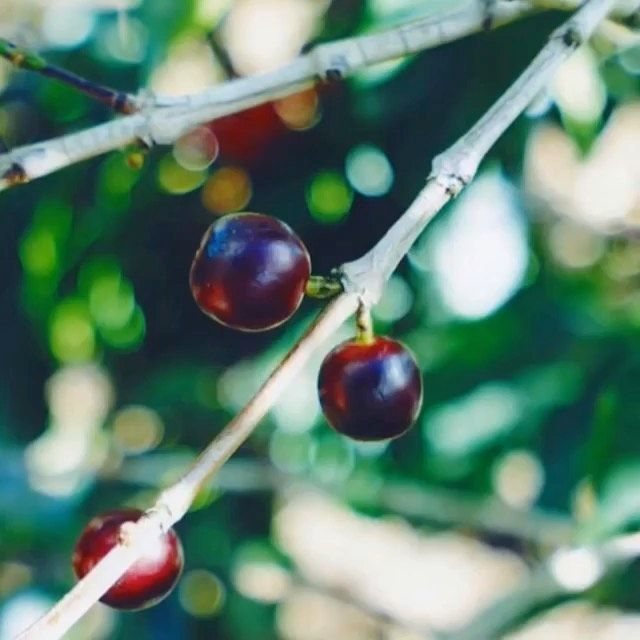
Floral and fruity notes are not added to coffee — they are expressed by it. These flavors emerge from the intersection of genetics, terroir, and processing, and understanding that triangle is the first step to seeking them out with confidence.
According to the SCA cupping descriptors ([S1]), the floral aroma category is "associated with the slight scent of different types of flowers including honeysuckle, jasmine, dandelion and nettles," and is "mainly found when an intense fruity or green aroma is perceived." The fruity/citrussy category, meanwhile, is "reminiscent of the odour and taste of fruit," with berry aromatics highly associated with the attribute, and high acidity correlated with citrus character. In other words, florals and fruit are deeply intertwined — chase one and you'll often find the other.
Variety: The Genetic Blueprint
No factor shapes a coffee's aromatic potential more fundamentally than the cultivar. Certain varieties carry elevated concentrations of aromatic precursors — the raw chemical compounds that, under the right conditions, blossom into jasmine, bergamot, peach, or strawberry in the cup.
Gesha (sometimes Geisha) is the variety most associated with intense floral expression — particularly jasmine and bergamot — and commands some of the highest prices in the world. Panama has become synonymous with this cultivar; as of August 2025, the most expensive specialty coffee lot ever sold was a Panama Geisha, fetching over US$13,700/lb. That price reflects both the cultivar's rarity and its ceiling of aromatic complexity.
Beyond Gesha, Ethiopian landrace varieties — the dense genetic pool of wild and semi-wild cultivars grown across regions like Yirgacheffe, Guji, and Sidama — are celebrated for their natural floral and fruit expression. Because Ethiopia is the birthplace of Coffea arabica, its landrace diversity is unmatched anywhere on earth. Varieties like Dega, Kurume, and countless unnamed locals carry aromatic profiles that range from jasmine and rose to blueberry and lychee.
For a deeper dive into how cultivar shapes flavor, see our guide to Coffee Varieties & Cultivars.
Origin & Terroir: Where Altitude Meets Acidity
Even a naturally aromatic cultivar needs the right environment to fully express itself. High altitude slows cherry maturation, allowing more complex sugars and organic acids to develop. The result is a coffee with brighter, cleaner acidity — the "sharp and tangy" quality the SCA likens to biting into an orange — that carries and amplifies floral and fruit character.
Ethiopia's coffee-growing highlands, often sitting above 1,800 m, are the canonical example. Coffees from these zones consistently produce cup profiles dominated by stone fruit, berry, and jasmine. Colombia's high-altitude micro-regions, particularly in Huila and Antioquia, are similarly capable of extraordinary floral complexity, especially when planted with exotic cultivars like Gesha.
Specialty coffee, by definition, is "coffee scoring 80 points or above on the 100-point SCA Cupping form," and the scoring system explicitly rewards sweetness, acidity, and flavor complexity — all categories where floral-fruity coffees tend to excel. Unlike commercial blends, which prioritize consistency, specialty coffee "can vary noticeably from harvest to harvest, reflecting the environmental conditions of each year" — which is exactly why a great floral Ethiopian can taste subtly different from one crop to the next.
Processing: Unlocking Fruit-Forward Character
Once the cherry is picked, how it is processed dramatically alters whether floral and fruity notes are preserved, amplified, or muted.
Natural (dry) processing — where the whole cherry dries around the seed — produces the most fruit-forward coffees. Extended contact between the fruit's sugars and the bean drives fermentation, imparting strawberry, blueberry, tropical fruit, and wine-like complexity. These coffees can be polarizing: at their best, they're exuberant and layered; at their worst, over-fermented and muddy.
Washed (wet) processing, by contrast, removes the fruit before drying. Counterintuitively, this often clarifies floral character rather than diminishing it. By stripping away the fruity pulp noise, washed processing allows the coffee's intrinsic aromatic compounds — especially the delicate jasmine and bergamot notes of Ethiopian landraces or Gesha — to come through with exceptional clarity and precision. To understand the mechanics, read our Washed (Wet) Processing explainer.
Honey and anaerobic processes occupy the middle ground and are increasingly popular tools for amplifying stone-fruit and tropical notes while retaining some of the cleanliness of a washed coffee.
How to Taste Floral & Fruity Coffees
Floral and fruity coffees reward attention. Here's how to give them the space to show what they're made of.
Use the Cupping Protocol — or Something Close
Professional coffee evaluation — cupping — follows a standardized sequence: deeply sniff the dry grounds, then the bloom, then slurp the coffee from a spoon so it is "aerated and spread across the tongue." The aeration is key: it volatilizes aromatic compounds and deposits them across your palate and retronasal passage simultaneously, which is exactly how jasmine and bergamot register. You don't need a lab to do this — a spoon works at home.
The SCA tasting framework asks you to evaluate body, sweetness, acidity, flavor, and aftertaste in sequence. For floral-fruity coffees, focus on:
- Aroma (dry and wet): The most fragrant moment. Floral notes are often strongest in the bloom. Lean in.
- Acidity: Bright, clean acidity is characteristic of high-quality floral-fruity cups. Does it remind you of citrus, stone fruit, or red berries?
- Flavor: Look beyond the first impression. Florals and fruit often evolve as the cup cools — a coffee that seems merely "bright" at 70°C can reveal jasmine and peach at 55°C.
- Aftertaste: The hallmark of a great floral coffee is a long, clean, aromatic finish — like the memory of a flower rather than its presence.
Consult The Coffee Taster's Flavor Wheel as a vocabulary reference. It maps the entire aromatic space from "floral" to "fruity" with specific sub-categories, helping you move from vague impressions to precise language.
Brew Choices Matter
Floral and fruity coffees are most expressive brewed light to medium — think filter, pour-over, or AeroPress rather than dark espresso. High extraction temperatures can dull delicate aromatics; many experienced cuppers recommend brewing at 90–93°C and using a medium-light roast to preserve the volatile compounds responsible for jasmine and bergamot notes. Milk and sugar will mask what you're paying for — taste black first.
Our Floral & Fruity Coffee Picks
Below is a curated selection of in-stock coffees that represent the full range of floral and fruity expression — from clarion washed Ethiopian to lush natural and the rarefied elegance of Gesha.
Heart Coffee Roasters — Ethiopia Habtamu Fikadu
The Ethiopia Habtamu Fikadu (Heart Coffee Roasters)Buy ↗ is a strong starting point for anyone new to floral Ethiopian coffees. Heart Coffee Roasters, based in Portland, Oregon, is known for a meticulous sourcing approach and roast profiles that preserve rather than override origin character. Named-producer lots like this one — traceable to the farm and farmer — reflect the kind of single-origin transparency that defines the specialty coffee movement.
Named-lot Ethiopian coffees from the Guji or Yirgacheffe zones routinely express the jasmine-and-stone-fruit character that the region's landrace varieties are famous for. Whether processed washed or natural, this is the kind of coffee to approach with the slow attention described above: nose the bloom before you pour, and let the cup cool before finalizing your impressions. Best for: drinkers who want a textbook floral-fruity Ethiopian from a roaster with serious sourcing credentials.
Sey Coffee — 2026 Boneya Robe; Chorso Bule Ethiopia
For something more adventurous, the 2026 Boneya Robe; Chorso Bule - Ethiopia (Sey Coffee)Buy ↗ offers a glimpse into two distinct Ethiopian micro-lots in a single release. Sey, operating out of Brooklyn, New York, has built a reputation for sourcing coffees at the very top of the specialty scoring spectrum and presenting them with minimal roast intervention — their approach lets terroir drive the narrative.
The dual-lot format is deliberately pedagogical: tasting Boneya Robe against Chorso Bule gives you a side-by-side study in how micro-geography shapes flavor within the same broad growing region. Look for the kind of differentiation the SCA describes — fruity aromatics ranging from berry to citrus depending on altitude, variety, and fermentation choices. Best for: experienced tasters, and anyone who wants to understand Ethiopian coffee at a granular, comparative level. Note that the high-transparency sourcing of lots like this typically reflects a premium price point.
Onyx Coffee Lab — Colombia Doña Martha Gesha
The Colombia Doña Martha Gesha (Onyx Coffee Lab)Buy ↗ represents the apex of the floral category. Gesha grown in Colombia's high-altitude zones — in the hands of a dedicated producer and a roaster with as many competition accolades as Onyx Coffee Lab — is among the most intensely aromatic coffees it's possible to put in your cup.
Expect the cultivar's hallmark jasmine and bergamot, often accompanied by stone fruit, peach, and a tea-like delicacy that distinguishes great Gesha from everything else. The Colombia context adds its own dimension: the country's high-altitude micro-climates — often paired with meticulous washed or light-honey processing — tend to produce Geshas that are cleaner and more precise than their Panamanian counterparts, though opinions differ on which terroir suits the variety best. Best for: anyone willing to invest in a benchmark cup experience; an ideal candidate for slow-pour filter brewing where every aromatic nuance can be appreciated. The trade-off is price — Gesha is never cheap, and Onyx's production volumes on lots like this are typically limited.
Building Your Floral-Fruity Palate
Floral and fruity coffees are a category that rewards a systematic approach. A few practical strategies:
- Compare side by side. Brew a washed Ethiopian and a natural Ethiopian in the same session and taste them back-to-back. The contrast between process-driven fruit and variety-driven florals is immediately instructive.
- Use the Flavor Wheel as a post-taste check. After you've formed your own impressions, consult The Coffee Taster's Flavor Wheel to map what you detected onto the shared vocabulary of the specialty industry.
- Track cultivar alongside origin. As you explore, note both the growing region and the variety (where disclosed). Gesha in Colombia and Gesha in Panama taste different — terroir matters even within a cultivar.
- Taste across roasters. The three coffees above come from three distinct roasting philosophies. The same green lot roasted differently can read as jasmine-bright or stone-fruit-rich depending on roast level and curve. Exploring the same origin across roasters is one of the fastest ways to deepen your sensory vocabulary.
- Read about Coffee Varieties & Cultivars to understand which genetic families are most likely to express floral and fruit character before you buy.
Coffees demonstrating this
From our catalog of in-stock beans.
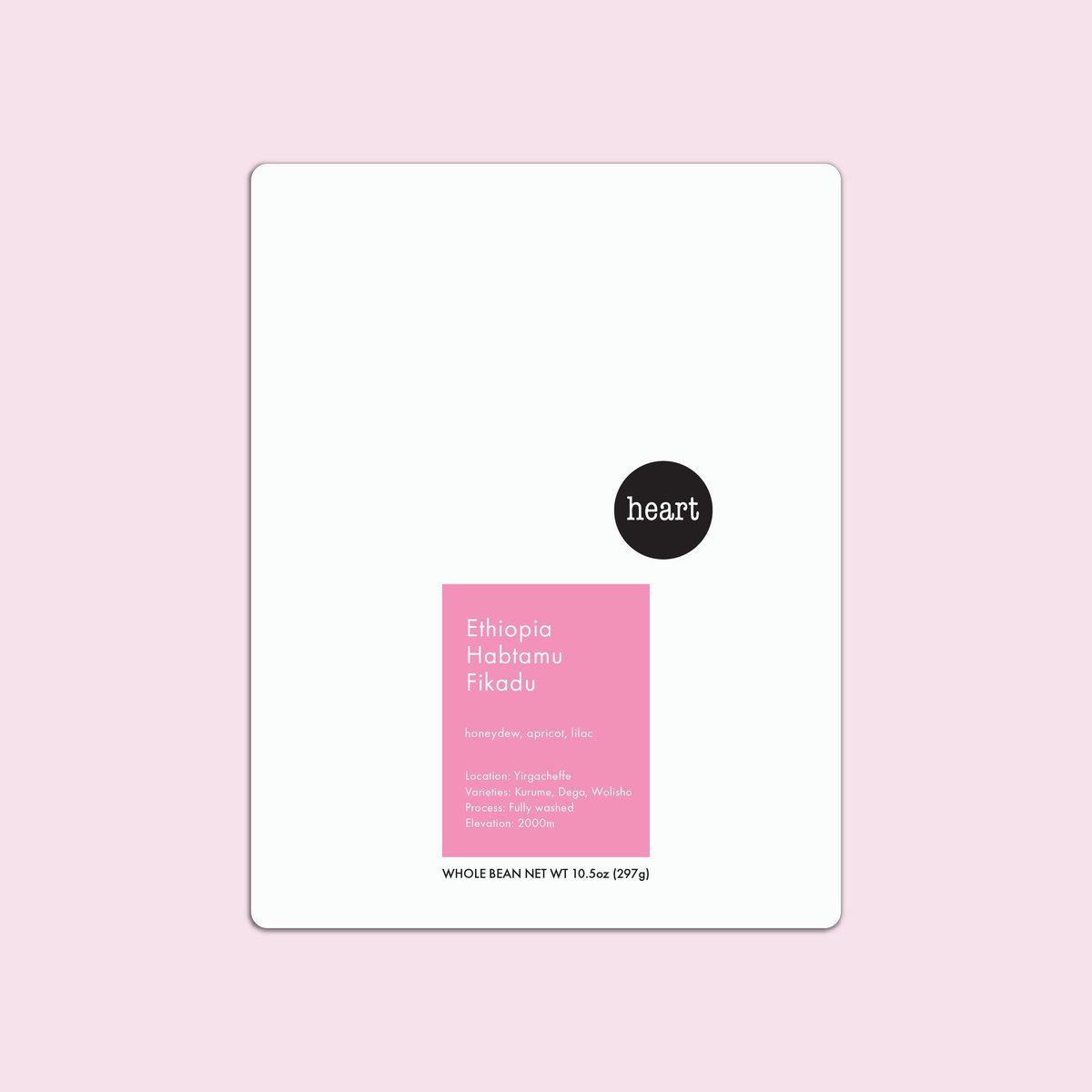
Ethiopia · Fully washed
Ethiopia Habtamu Fikadu
Heart Coffee Roasters · $29
Single origin Ethiopian coffee from Yirgacheffe featuring traditional Kurume, Dega, and Wolisho varieties.
View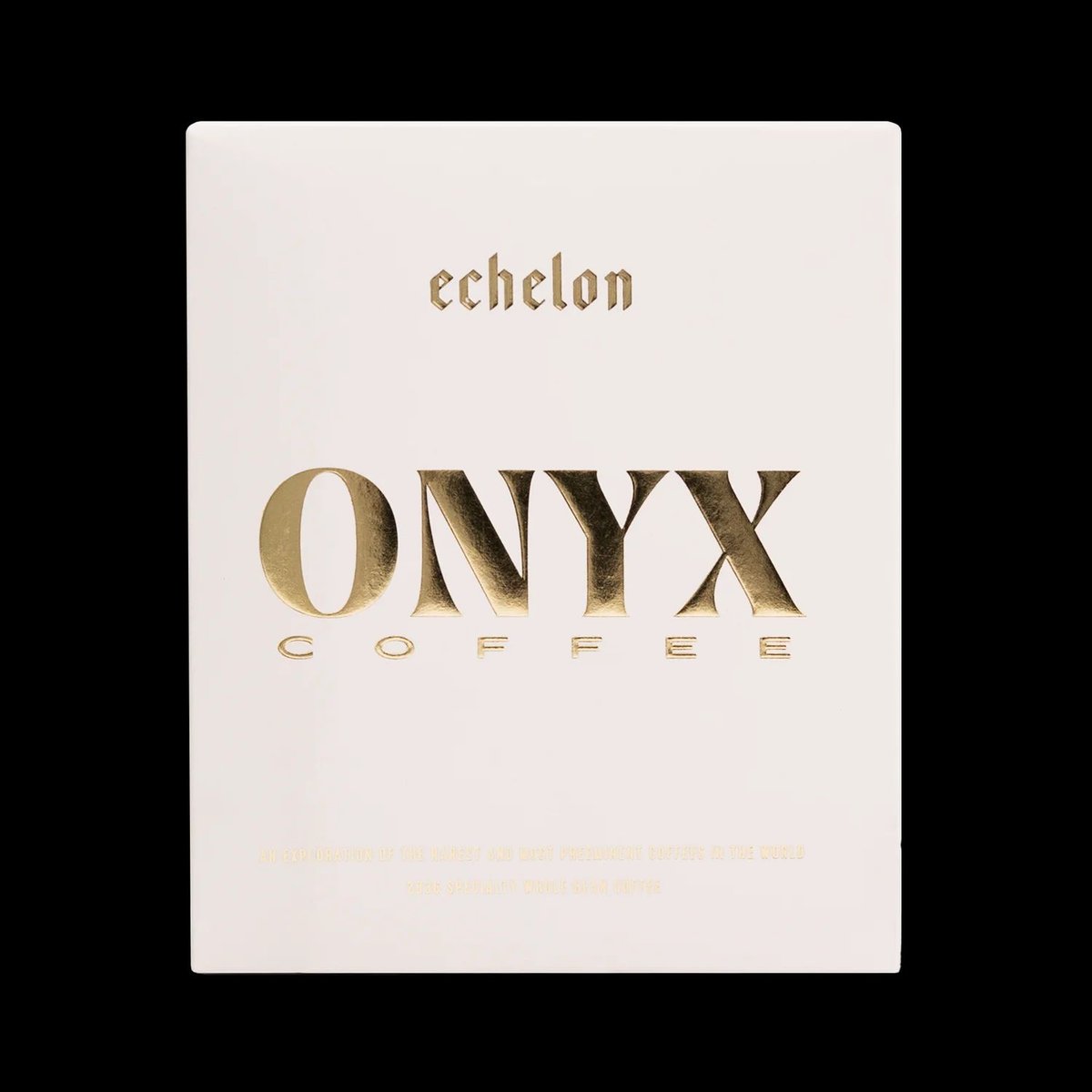
Colombia · Anaerobic Washed
Colombia Doña Martha Gesha
Onyx Coffee Lab · $30
Modern Colombian Geisha with refined florals and elegant structure from El Diviso.
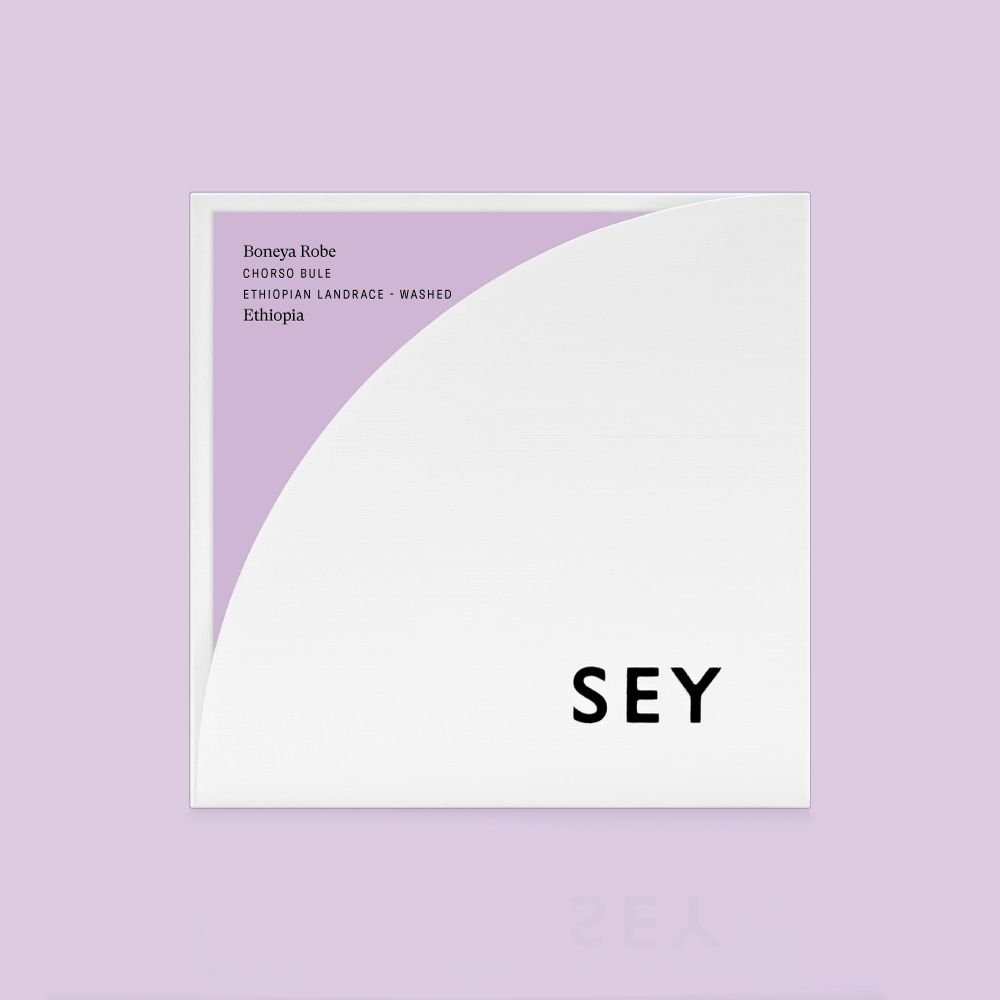
Ethiopia
2026 Boneya Robe; Chorso Bule - Ethiopia
Sey Coffee · $38
Exceptional single-producer Ethiopian lot from high-altitude Gedeb with meticulous processing.
Frequently asked questions
- What makes a coffee taste floral?
- Floral notes in coffee come primarily from the cultivar's genetic makeup, the altitude and climate where it was grown, and how the cherry was processed after harvest. Varieties like Gesha and Ethiopian landrace cultivars carry aromatic precursors that express as jasmine, honeysuckle, or bergamot, especially when grown at high altitude and processed carefully. The SCA defines the floral aroma category as associated with honeysuckle, jasmine, dandelion, and nettles, and notes it is most prominent when intense fruity or green aromas are also present.
- Do natural or washed coffees have more floral notes?
- Both can be intensely floral, but in different ways. Washed processing tends to clarify and sharpen floral aromatics — jasmine and bergamot come through with precision. Natural processing amplifies fruity character (blueberry, strawberry, tropical fruit) and can add a wine-like complexity, but may mute the most delicate floral nuances. The best approach is to try both styles side by side to understand the difference firsthand.
- Which coffee origins are most likely to be floral and fruity?
- Ethiopia is the most consistently floral-fruity origin, driven by its extraordinary diversity of landrace varieties and high-altitude growing zones. Colombia — particularly at high altitudes with Gesha or other aromatic cultivars — is increasingly recognized for exceptional floral complexity. Panama is historically associated with Gesha and some of the most prized floral cups in the world.
- How should I brew floral and fruity coffees at home?
- Pour-over and filter methods best preserve delicate aromatics. Brew at around 90–93°C with a medium-light roast. Taste black before adding milk or sugar, which can mask floral and fruity notes. Let the cup cool progressively — many floral coffees reveal more as they drop from very hot to warm.
- What is a Q Grader and why do they matter for floral coffees?
- A Q Grader is a certified professional coffee taster trained and examined by the Coffee Quality Institute. They evaluate coffees on the SCA's 100-point cupping form, scoring attributes including aroma, acidity, flavor, and aftertaste. Coffees scoring 80 or above are considered specialty grade. Floral and fruity coffees tend to score highly in the aroma and flavor categories, which is why Q Grader assessments are particularly useful for identifying and ranking the best examples of this style.
- Is Gesha coffee worth the high price?
- Gesha's price reflects genuine rarity and a flavor ceiling — particularly for jasmine, bergamot, and stone-fruit notes — that is difficult or impossible to achieve with other varieties. The most expensive specialty lot ever sold was a Panama Geisha, fetching over US$13,700/lb. Whether it is 'worth it' depends on your interest in pushing the sensory boundaries of what coffee can be. For a benchmark experience of floral coffee at its most expressive, a well-sourced Gesha from a skilled roaster like Onyx Coffee Lab is hard to argue against.
See also