Guides · Buying Guides
The Best Coffee Scales of 2026
From 0.1 g precision to real-time flow rate, here's everything you need to know before you buy — plus our ranked picks.
Key facts
- Minimum Precision
- 0.1 g resolution for espresso
- Ideal Brew Ratio
- 15–18:1 water to coffee by mass
- Espresso Shot Duration
- Typically 25–30 seconds
- Top Pick
- Acaia Pearl S with flow-rate display
- Best Value
- Timemore Black Mirror Nano
- Key Feature
- Real-time flow rate measurement
Why a Scale Is Non-Negotiable
Every serious variable in coffee preparation comes back to mass. As our Brew Ratio guide explains, preferred water-to-coffee ratios typically fall in the 15–18:1 range by mass, and experienced drinkers can easily perceive differences within that seemingly narrow window. Eyeballing scoops or relying on volume measurements introduces inconsistency that no amount of grinder or kettle quality can fix.
The same logic applies at the other end of the brew. Understanding extraction yield and strength requires knowing exactly how much water has passed through your puck or grounds bed — and the only way to know that precisely is to weigh it. A kitchen scale rated to the nearest gram is good for baking; it is not good enough for espresso, and only barely adequate for pour-over.
This is why the 0.1 g resolution threshold matters. It is the minimum precision level at which meaningful espresso adjustments — say, dialling from a 36 g to a 36.4 g yield — actually register on the display. Without it, you are guessing within a range that can meaningfully shift your extraction percentage.
What to Look for in a Coffee Scale
Not all scales are created equal, and the spec sheet can be misleading. Here are the factors that matter in practice.
Resolution and Accuracy
Resolution is the smallest increment the display shows (typically 0.1 g for coffee scales). Accuracy is how close that reading is to the true mass — these are not the same thing. A cheap scale can display 0.1 g increments while drifting ±1 g from truth. Look for scales that explicitly state their accuracy tolerance, not just their readability.
Response Speed and Settling Time
Slow scales are frustrating for espresso, where a shot can finish in 25–30 seconds. The display needs to stabilise — or at least give you a usable reading — before the shot ends. Premium scales use strain-gauge load cells with fast-update firmware, often refreshing at 10–20 times per second. Budget scales may take 2–3 seconds to settle, making real-time adjustments difficult.
Flow Rate Display
High-end scales now display g/s (grams per second) alongside the running weight, a feature originally popularised in competition espresso. Watching flow rate lets you spot channelling, adjust your pour speed in a V60, or confirm your espresso shot is running true. It sounds like a luxury; once you have used it, you will not want to go back.
Footprint and Drip-Tray Clearance
For espresso, the scale must fit on your drip tray under your portafilter spout. Many home machines have as little as 25–35 mm of vertical clearance between the tray surface and the bottom of the spouts. A scale that is 12 mm thick versus one that is 20 mm thick is the difference between the scale fitting or not. Measure your machine before you buy.
For pour-over, footprint matters less for clearance but more for stability — you want the scale large enough that your Chemex or Kalita Wave does not teeter.
Battery Life and Charging
Most coffee scales are USB or USB-C rechargeable. Battery life ranges from roughly 2 hours on the lower end to 8–12 hours for efficient models. If you brew multiple times a day or run a small café counter, battery life is a real operational concern, not a footnote.
Water Resistance
Coffee and water will land on your scale. Models with an IP rating or at minimum a sealed top surface are dramatically easier to keep clean. This is a feature worth paying for.
Our Ranked Picks
We evaluated scales on resolution, speed, flow-rate capability, footprint, battery life, and value. Here are the three we recommend without hesitation.
1. Acaia Pearl S — Best Overall
The Acaia Pearl S is the benchmark against which every other pour-over and general-use coffee scale is measured. It offers 0.1 g resolution, a fast-response load cell, and real-time flow-rate display through its companion app — or, more usefully, directly on the scale's crisp LED display in its dedicated brew modes.
Key strengths:
- Bluetooth connectivity with the Acaia app enables guided brew timers and shot logging
- Large platform is stable under a full carafe or a V60 dripper
- Durable, food-safe surface that wipes clean easily
- Multiple brew modes built in, including pour-over timer modes
Trade-offs:
- Premium price puts it at the top of the category budget-wise
- Bluetooth is genuinely useful but adds a layer of complexity some users simply do not want
- At around 10 mm thick (verify current spec), it may be borderline for very low-clearance espresso machines — check your tray before ordering
Who it suits: The daily brewer who wants a scale that grows with their skills, logs their brews over time, and works beautifully for both pour-over and manual methods. It is the scale we would buy if we could only own one.
2. Timemore Black Mirror Nano — Best Value
The Timemore Black Mirror Nano punches dramatically above its price. Timemore — a Chinese brand well regarded across the specialty coffee community for their grinders and kettles — built the Nano around a ultra-slim profile that makes it genuinely viable for espresso machines with tight drip-tray clearance, a problem that disqualifies many competitors.
Key strengths:
- Extremely thin body (among the slimmest in its category) for maximum espresso-machine compatibility
- 0.1 g resolution with a fast, stable response
- Built-in timer with a clean, readable display
- Excellent value: delivers core functionality at a fraction of flagship scale prices
- USB-C charging, which is increasingly the universal standard
Trade-offs:
- No Bluetooth or app connectivity
- Flow rate display is not a feature at this price point
- Platform size is compact — a design necessity for the slim profile, but a large Chemex can feel slightly precarious
- Battery life is adequate for home use but may require more frequent charging in a café setting
Who it suits: The espresso-first brewer, the beginner who wants accurate results without a steep learning curve, and anyone who finds app-connected scales needlessly complicated. If your primary goal is dialling in espresso ratio (see our Brew Ratio guide for the fundamentals) without spending flagship money, this is the pick.
3. Acaia Lunar — Best for Espresso Professionals
The Acaia Lunar was designed from the ground up for espresso and competition use. Where the Pearl S is a generalist, the Lunar is a specialist: it is round, low-profile, and engineered to sit under an espresso portafilter with minimal clearance requirements.
Key strengths:
- Round form factor designed specifically for espresso machine drip trays
- Real-time g/s flow-rate display — a genuine advantage for diagnosing shot consistency
- 0.1 g resolution with fast settling, critical when a shot can be done in under 30 seconds
- Water resistant, with a sealed surface that handles the wet espresso environment
- Same Bluetooth and app ecosystem as the Pearl S, including shot-logging capability
- Backlit display is readable under the shadow of a machine
Trade-offs:
- The most expensive scale in our lineup
- The round platform is purpose-built for espresso; it is awkward under a pour-over dripper
- Overkill if espresso is not your primary brew method
Who it suits: The home barista running a prosumer espresso machine who wants the data that professionals use, and the small café that needs reliable, loggable shot records. If you are already tuning your extraction yield with any seriousness, the Lunar's flow-rate readout will pay for itself in improved consistency.
How to Compare at a Glance
| Scale | Resolution | Flow Rate | Bluetooth | Best For |
|---|---|---|---|---|
| Acaia Pearl S | 0.1 g | Yes | Yes | Pour-over & general use |
| Timemore Black Mirror Nano | 0.1 g | No | No | Value espresso & beginners |
| Acaia Lunar | 0.1 g | Yes | Yes | Espresso specialists |
Caring for Your Scale
A few habits will extend the life of any coffee scale significantly.
- Never submerge any scale unless it carries a full waterproof IP rating — water resistance and waterproofing are different standards.
- Zero (tare) before every use rather than relying on a saved zero from a previous session; ambient temperature changes can shift readings.
- Calibrate periodically using known weights if your scale supports manual calibration — particularly if it has been moved or subjected to impacts.
- Store away from direct heat and grinding dust, both of which can affect sensor accuracy over time.
- Clean the platform with a lightly damp cloth; avoid spraying liquids directly onto the scale body or into the charging port.
The Bottom Line
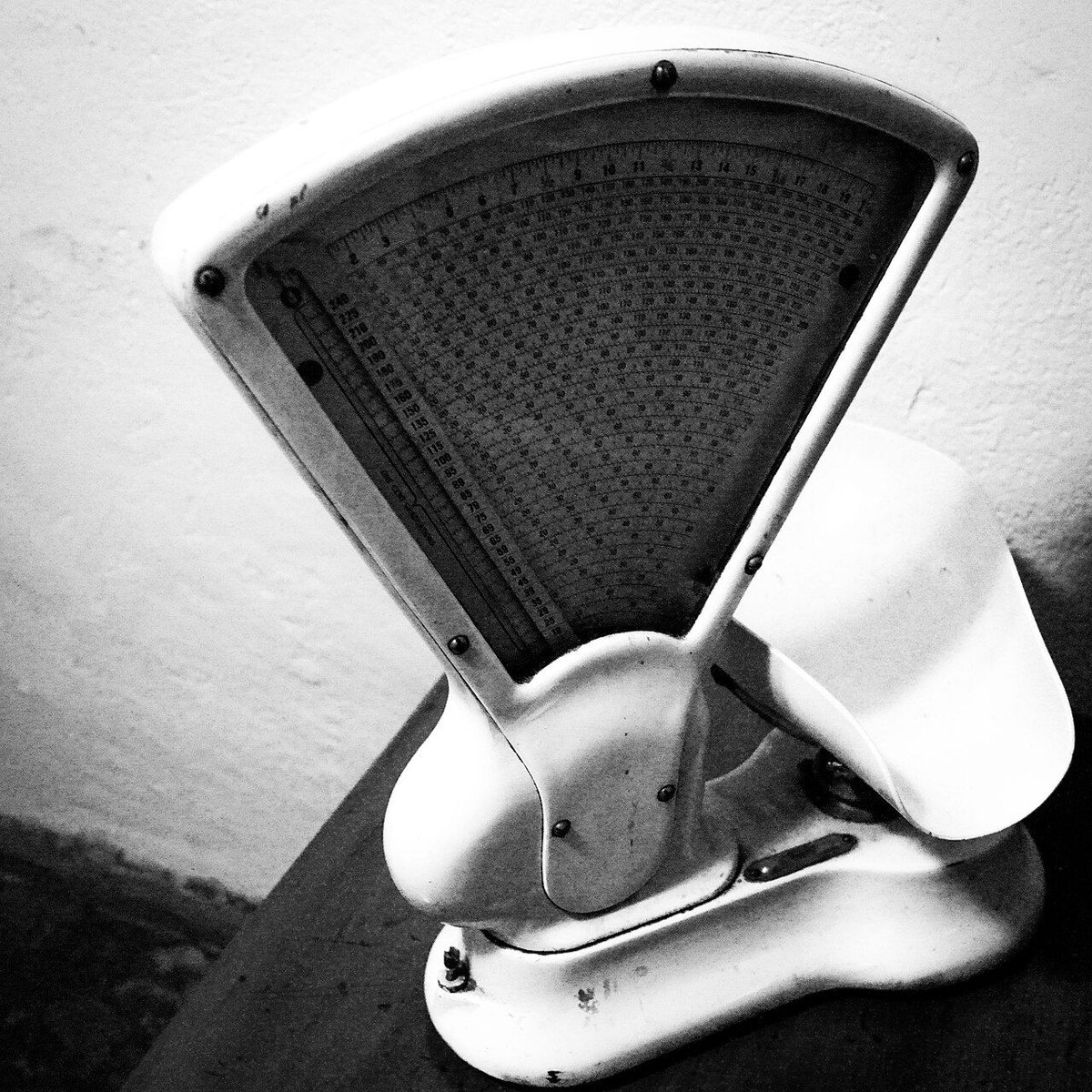
The history of the weighing scale stretches back to ancient Egypt — archaeologists have traced balance weights to the reign of Sneferu around 2600 BC — and the underlying principle has not changed: accurate measurement is the foundation of consistent results. In coffee, that principle is simply applied to brew ratios and extraction instead of gold shipments.
For most brewers, the Timemore Black Mirror Nano delivers everything necessary at a price that is easy to justify. Step up to the Acaia Pearl S if you want app connectivity, flow rate, and a larger platform for pour-over. Choose the Acaia Lunar if espresso is your focus and you want the data layer that competition-level brewing demands. Any of the three will make a measurable, immediate difference in cup quality — because with coffee, consistency is craft.
Gear for this
Frequently asked questions
- Do I really need a 0.1 g scale for coffee, or is 1 g resolution good enough?
- For pour-over, 1 g resolution is workable but limits your precision — a 1 g error on a 15 g dose is a 6–7% swing. For espresso, where you might be targeting a 36 g yield and adjusting in 0.5 g increments, 1 g resolution is genuinely inadequate. A 0.1 g scale is the practical minimum for meaningful espresso dialling.
- Can I use a kitchen scale for coffee?
- You can, but most kitchen scales only resolve to 1 g and have slow settling times — typically several seconds. For casual pour-over use this is fine; for espresso or for anyone working on extraction consistency, the imprecision and lag make a dedicated coffee scale worth the investment.
- What does 'flow rate' mean on a coffee scale?
- Flow rate, displayed in grams per second (g/s), shows how quickly liquid is accumulating in your cup in real time. For espresso, it lets you monitor shot consistency and spot channelling as it happens rather than after the fact. For pour-over, it helps you control your pouring speed. It is a feature found on premium scales like the Acaia Pearl S and Acaia Lunar.
- Will the Timemore Black Mirror Nano fit under my espresso machine?
- The Nano is designed with one of the slimmest profiles in its category specifically to address espresso-machine clearance. That said, clearance varies significantly between machines — always measure the distance from your drip tray surface to the bottom of your portafilter spouts before purchasing any scale.
- How often should I calibrate my coffee scale?
- If your scale supports user calibration (using known weights), calibrating every few months — or after any significant impact or move — is good practice. Day to day, taring before each session handles minor drift. If you notice readings that seem inconsistent compared to a reference weight, calibrate immediately.
- Is Bluetooth worth paying for on a coffee scale?
- It depends on how you brew. Bluetooth enables app-based brew timers, guided recipes, and shot logging — genuinely useful for anyone who wants to track their brewing over time or follow structured brew guides. If you prefer a simple weigh-and-time workflow, Bluetooth adds cost and complexity you may never use. Both approaches make excellent coffee.
See also