Knowledge · brewing
Brew Ratio
How the coffee-to-water ratio controls strength, why it differs from extraction yield, and how to use it to dial your brew to taste.
Key facts
- Notation
- coffee : water (e.g., 1:15)
- Measured by
- weight, not volume
- Filter brew range
- 1:15 to 1:18
- Sweet spot
- 1:16 to 1:17 for balance
- Espresso ratio
- approximately 1:2
- Strength vs. extraction
- two distinct brewing properties
What Is Brew Ratio?
Brew ratio expresses the relationship between the mass of dry ground coffee used and the mass of water added during brewing. It is almost universally written as coffee : water (e.g., 1:15), meaning one gram of coffee for every fifteen grams of water, though some traditions invert the notation to water : coffee (15:1). Either convention is valid as long as it is applied consistently; this article uses coffee : water throughout.
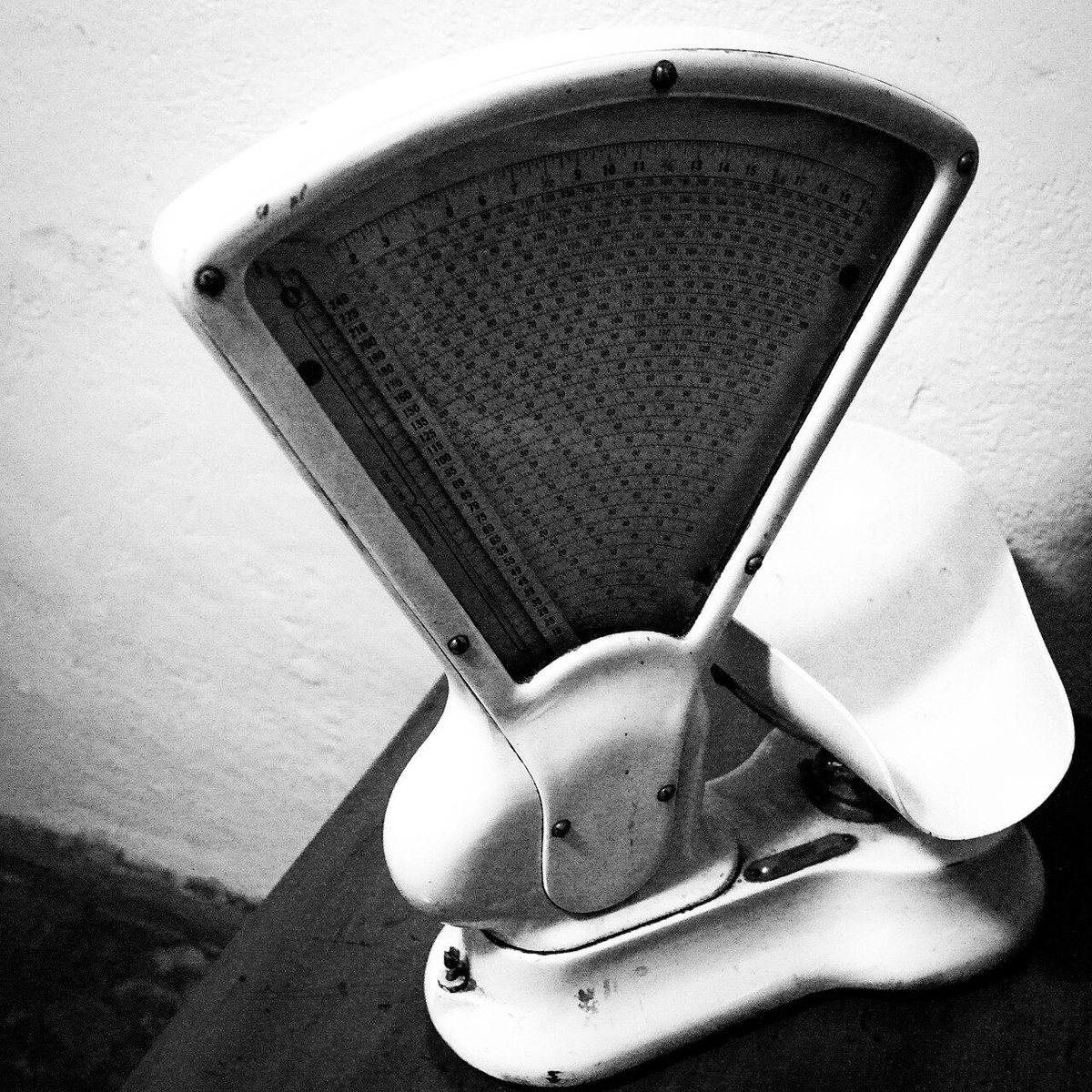
Because both coffee and water are measured by weight rather than volume, brew ratio sidesteps the ambiguity of scoops, cups, or tablespoons, which vary with grind size, roast level, and how the grounds are packed. A kitchen scale accurate to one gram is the only tool required to apply ratio precisely.
As noted in the source literature on coffee preparation, key variables in brewing include grind size, water temperature, brew time, and the ratio of coffee to water — all of which influence extraction and flavour. Ratio is the easiest of these to adjust without changing equipment.
Brew Ratio Across Brewing Methods
Different brewing formats operate in dramatically different ratio ranges, driven by the physics of each process.
Filter / Batch Brew (drip, pour-over, French press, AeroPress)
For most immersion and percolation methods, preferred brew ratios of water to coffee commonly fall in the range of 15–18:1 by mass (equivalently, roughly 1:15 to 1:18 in coffee : water notation). Even within this fairly small range, differences are easily perceived by an experienced coffee drinker. In practice:
- 1:15 produces a full-bodied, noticeably strong cup — often described as "café-strength" filter coffee.
- 1:16 – 1:17 is the sweet-spot cited most frequently by specialty roasters and competition brewers for highlighting balance and clarity.
- 1:18 yields a lighter, more delicate brew that can flatter high-clarity washed coffees but may feel thin to those accustomed to denser cups.
Because grind size affects how efficiently soluble compounds are transferred to water, ratio adjustments are sometimes used to compensate when a grinder cannot be changed: a slightly finer grind combined with a leaner ratio can approximate the same cup character as a coarser grind at a richer ratio.
Espresso
Espresso operates at a far more concentrated ratio — approximately 1:2 (coffee in to beverage out, commonly called the brew ratio or yield ratio in espresso). A 18 g dose yielding roughly 36 g of liquid in the cup is a widely cited reference point in specialty espresso practice. Ristretto pulls run shorter (roughly 1:1 to 1:1.5), while lungos stretch to 1:3 or beyond. The extreme concentration of espresso is what makes it suitable as a base for milk-based drinks such as flat whites and cappuccinos.
For a broader survey of how ratio applies across different formats, see Brewing Methods.
Cold Brew
Cold brew concentrate is typically prepared at ratios as rich as 1:4 to 1:8, then diluted before serving. Because cold water extracts more slowly than hot, higher coffee doses are used to achieve adequate extraction over long steep times.
Strength vs. Extraction: Two Different Things
One of the most important concepts in coffee science is that strength and extraction are not the same, even though they are often confused.
- Strength (technically, Total Dissolved Solids, or TDS) describes the concentration of dissolved coffee material in the final beverage — how much of the cup is coffee solute rather than water. It is a property of the liquid in the cup.
- Extraction yield (sometimes called extraction percentage) describes what fraction of the dry coffee's soluble mass was dissolved into the water. It is a property of the brewing process itself.
Brew ratio is the primary driver of strength. Extraction yield is primarily governed by grind size, water temperature, brew time, and agitation — the variables that control how efficiently water dissolves compounds from the grounds. For a deep dive on extraction, see Extraction: Yield & Strength.
The Brew Control Chart Concept
The classic two-axis brew control framework (with TDS on one axis and extraction yield on the other) illustrates that it is entirely possible to brew a strong but under-extracted coffee (high TDS, low yield — achieved by using a very high coffee dose with a short contact time) or a weak but over-extracted one (low TDS, high yield — a large mass of water pulling too many compounds from a small dose of coffee). Neither is ideal:
- Under-extracted coffee tastes sour, salty, and underdeveloped regardless of how strong it is.
- Over-extracted coffee tastes bitter, dry, and hollow regardless of how dilute it is.
The goal is to land in a zone of acceptable extraction yield (commonly cited as roughly 18–22% for filter coffee) while simultaneously hitting a target TDS that matches your preferred strength. Ratio is the tool you reach for first when strength is wrong; grind, temperature, or time is the tool you reach for when the flavour balance (extraction) is wrong.
How Ratio Sets Strength Independently of Extraction
Consider two brews using identical equipment, grind size, water temperature, and brew time — differing only in ratio:
| Scenario | Coffee | Water | Ratio | Resulting TDS |
|---|---|---|---|---|
| A | 15 g | 225 g | 1:15 | Higher |
| B | 15 g | 255 g | 1:17 | Lower |
Because the extraction conditions are otherwise the same, the percentage of coffee mass extracted will be similar in both brews. Yet Brew A will be noticeably more concentrated — not because more compounds were pulled from each gram of coffee, but because those compounds are dissolved in less water. The dissolved material is simply more crowded in the cup.
This is why experienced brewers separate the two levers:
- Use ratio to set target strength. Decide how concentrated you want the beverage, then fix your dose and water weight accordingly.
- Use grind / time / temperature to set extraction flavour balance. If the cup tastes sour or under-developed, increase extraction (finer grind, higher temperature, longer time). If it tastes bitter or harsh, reduce extraction.
For guidance on water quality's role in extraction efficiency, see Water for Coffee, and for temperature's effect, see Brew Temperature.
Practical Guide to Dialling Strength to Taste
The following framework applies to any manual or automatic filter brew. Espresso dialling follows similar logic but with tighter margins and faster feedback loops.
Step 1 — Establish a Reference Ratio
Start at 1:16 (approximately 16 g of water per gram of coffee). For a 300 g brewed cup, this means roughly 18–19 g of coffee to 300 g of water. This ratio sits comfortably within the commonly cited 15–18:1 (water : coffee) window and provides a neutral starting point from which to adjust.
Step 2 — Brew and Evaluate Strength
Taste the finished brew with strength in mind, independent of flavour quality:
- Does the cup feel watery or thin? The ratio may be too lean (too much water). Move toward 1:15.
- Does the cup feel heavy, syrupy, or overwhelming? The ratio may be too rich (too much coffee). Move toward 1:17 or 1:18.
- Does the strength feel right? Lock in this ratio and then evaluate flavour balance.
A refractometer can measure TDS objectively, but sensory evaluation is sufficient for most home and café contexts.
Step 3 — Evaluate Flavour Balance (Extraction), Not Strength
Once strength feels correct, assess the cup's taste quality:
- Sour, sharp, under-developed, or salty? Extraction is likely too low. Grind finer, raise water temperature, or extend contact time. See Brewing Coffee for method-specific guidance.
- Bitter, dry, astringent, or hollow? Extraction is likely too high. Grind coarser, lower temperature slightly, or reduce contact time.
- Balanced, sweet, with pleasing acidity and finish? You are in the target window.
Step 4 — Iterate in Small Steps
Ratio adjustments of ±0.5–1 g of coffee per 100 g of water are usually sufficient to produce a perceptible difference. Avoid changing multiple variables simultaneously, as this makes it impossible to attribute changes in the cup to a specific cause.
A Note on Dose Consistency
Because ratio is a multiplier, small inconsistencies in dosing are amplified at higher brew volumes. Weighing coffee and water — rather than scooping and eyeballing — is the simplest way to achieve reproducible results batch to batch. As the source literature on coffee preparation notes, even within the fairly small range of 15–18:1, differences are easily perceived by experienced drinkers; precise measurement matters.
Common Ratio Reference Points by Method
| Method | Typical Ratio (coffee : water) | Notes |
|---|---|---|
| Pour-over (V60, Kalita, Chemex) | 1:15 – 1:17 | 1:16 is a common starting point |
| Flat-bottom drip (batch brew) | 1:16 – 1:18 | Longer contact time often warrants leaner ratio |
| French press | 1:15 – 1:17 | Higher body from immersion; some prefer richer ratios |
| AeroPress | 1:10 – 1:17 | Highly variable; concentrate plus dilution is common |
| Espresso | ~1:2 | Ristretto ~1:1 to 1:1.5; lungo ~1:3+ |
| Cold brew (concentrate) | 1:4 – 1:8 | Dilute 1:1 or more before serving |
Ratio and Roast Level
Roast level affects the density and solubility of coffee. Lighter roasts tend to be denser and may require slightly finer grinding or longer contact time to achieve equivalent extraction. Some brewers compensate by using a marginally richer ratio (e.g., moving from 1:16 to 1:15) when brewing light roasts, though this is a matter of preference and should be validated by taste rather than applied as a rule. Darker roasts, being more soluble, can exhibit perceived bitterness at the same ratios that suit lighter coffees, sometimes prompting a leaner ratio.
These adjustments reinforce the principle that ratio is a starting point, not a recipe — its optimal value depends on the specific coffee, the brewing method, and the drinker's preference.
Ratio in Context: The Broader Brewing Picture
Ratio does not operate in isolation. As the source literature makes clear, the character of an extraction is highly dependent on the interplay of grind particle size distribution, water temperature, contact time, water chemistry, and brew ratio together. Shifting ratio while holding all other variables constant is a clean experiment; in real brewing, these variables interact:
- A coarser grind may require a richer ratio to maintain strength.
- Harder water extracts differently than soft water, meaning the same ratio can yield different TDS with different water sources.
- Brew temperature affects how quickly compounds dissolve; lower temperatures may need either longer contact time or a richer ratio to achieve the same result.
Mastering brew ratio is therefore not about memorising a single number but about understanding why different ratios are appropriate for different methods and preferences — and how to move the ratio in a purposeful direction when a cup is not quite right.
Frequently asked questions
- What is a good brew ratio for filter coffee?
- Preferred brew ratios for filter coffee commonly fall in the range of 15–18 parts water to 1 part coffee by mass (i.e., 1:15 to 1:18). A ratio of 1:16 is a widely recommended starting point that produces a balanced cup; from there, brewers adjust toward 1:15 for more strength or toward 1:17–1:18 for a lighter result.
- What is the brew ratio for espresso?
- Espresso is typically brewed at approximately 1:2 — for example, 18 g of ground coffee yielding around 36 g of liquid in the cup. Shorter pulls (ristretto) run closer to 1:1 to 1:1.5, while longer lungos approach 1:3 or more.
- Is brew ratio the same as extraction yield?
- No. Brew ratio is the proportion of coffee to water by weight and primarily controls the concentration (strength) of the finished beverage. Extraction yield is the percentage of the dry coffee's soluble mass that was actually dissolved into the water, and it is governed mainly by grind size, water temperature, and contact time. A coffee can be strong but under-extracted, or weak but over-extracted.
- Should I measure coffee and water by weight or volume?
- By weight. Volume measurements — scoops, tablespoons, cup marks — vary with grind size, roast level, and how grounds are packed. Measuring in grams using a kitchen scale is the only way to apply brew ratio precisely and reproduce results consistently.
- How do I know if I should adjust the ratio or the grind?
- Adjust the ratio when you want to change the strength (concentration) of the cup — whether it feels too weak or too strong overall. Adjust the grind (or temperature/time) when the flavour balance is off — sourness, saltiness, or underdevelopment point to under-extraction; bitterness, dryness, or harshness point to over-extraction. Changing one variable at a time makes it easier to identify what is causing the problem.
- Why does the same ratio taste different with different coffees?
- Roast level, origin, processing method, and freshness all affect how readily compounds dissolve from the grounds. A lighter, denser roast may extract fewer solubles at a given ratio and brew time than a darker, more porous roast. The same ratio is therefore a starting point rather than a universal recipe, and fine-tuning is always required when switching to a new coffee.
See also