Knowledge · brewing
Brewing Methods
Percolation, immersion, and pressure: how method shapes contact time, agitation, and the cup
Key facts
- Core Variables
- Grind size, water temperature, brew time, contact time, agitation, brew ratio
- Ideal Brew Ratio
- 15–18:1 by mass, water to coffee
- Method Families
- Percolation, immersion, and pressure brewing
- Percolation Filter
- Paper, metal, or cloth removes oils, produces clean bright cup
- Immersion Character
- Greater body and mouthfeel from prolonged water contact
- Grind Size Rule
- Longer contact requires coarser grind; shorter contact needs finer
The Core Variables of Any Brewing Method
Regardless of which device sits on your counter, every brewing method is essentially a system for managing the same set of variables. As grounded in coffee preparation literature, the character of an extraction depends on grind size, water temperature, brew time, contact time, agitation, and the brew ratio of water to coffee. Preferred brew ratios commonly fall in the range of 15–18:1 by mass (water to coffee), and even within that relatively narrow band, differences are readily perceived by an experienced taster.
The characteristics a method can emphasize or suppress include:
- Acidity (brightness) — the lively, often fruit-driven sharpness perceived on the palate
- Aroma — especially delicate floral and citrus notes that are vulnerable to heat loss and agitation
- Mouthfeel (body) — the tactile weight and texture of the liquid
- Astringency and bitterness — compounds that increase with over-extraction or excessive contact time
- Finish — the duration and intensity of flavour perception after swallowing
Choosing a brewing method is therefore not merely a matter of convenience; it is a decision about which of these characteristics to foreground. Grind size is inseparable from this choice: brewing methods that expose coffee to water for longer require a coarser grind, while shorter-contact methods call for a finer one. Grounds that are too fine for a given method over-expose surface area to hot water, producing bitter, harsh, over-extracted results; an overly coarse grind produces a weak cup unless more coffee is used. For more on this relationship, see Grinding & Particle Size.
For the full treatment of how extraction yield and strength interact with method choice, see Extraction: Yield & Strength. For guidance on water quality and temperature, see Water for Coffee and Brew Temperature.
The Three Method Families
Brewing methods are most usefully organised into three families, each defined by the physical relationship between water and coffee grounds:
- Percolation (pour-over/drip) — water passes through a bed of grounds and exits continuously
- Immersion (steeping) — grounds sit in water for a defined period before separation
- Pressure (espresso and related) — water is forced through a compact puck of coffee under elevated pressure
These are not airtight categories — some devices blend characteristics of two families — but the framework maps directly onto the variables of contact time, agitation, and cup character.
Percolation: Pour-Over and Drip
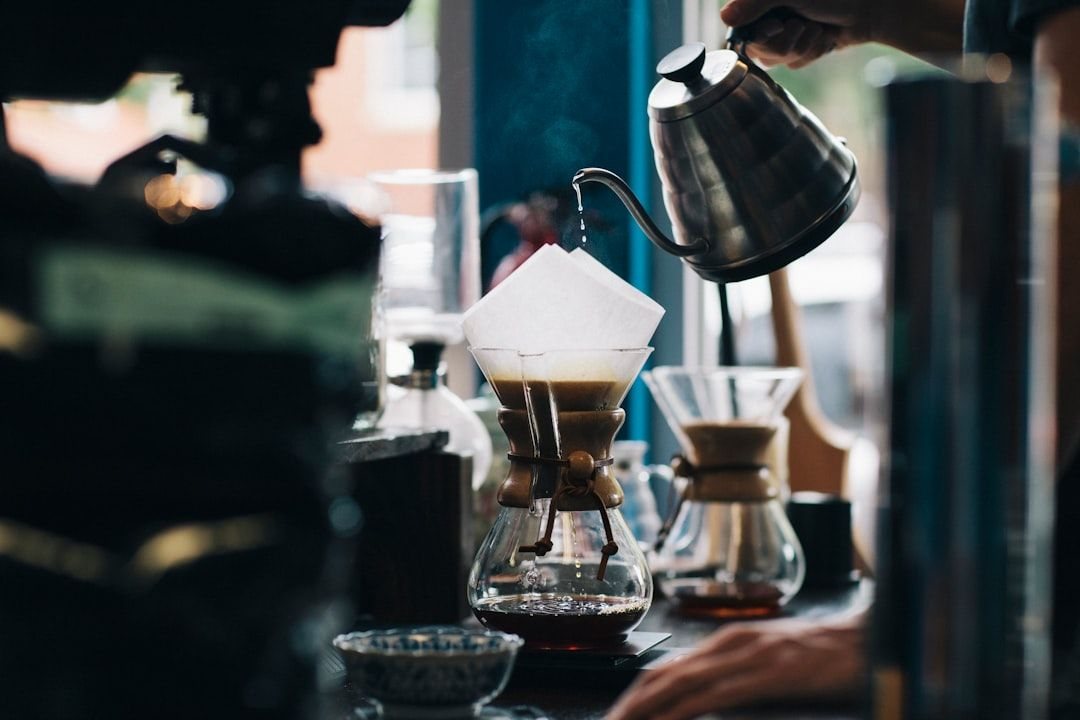
Percolation methods work by passing water through a bed of grounds, typically supported by a filter (paper, metal, or cloth), and allowing the brewed liquid to drain away continuously. Because fresh water is always moving through the grounds, the concentration gradient between the liquid and the remaining soluble compounds in the grounds stays relatively steep, which drives efficient extraction even at moderate contact times.
How it works
- Water is applied to the top of a grounds bed — either by hand (manual pour-over) or by a machine (drip brewer).
- Gravity pulls liquid through the grounds and through the filter medium.
- Brewed coffee exits the bottom of the filter into a vessel below.
- Contact time is controlled by the grind size, pour rate (manual), or machine programming (automatic drip).
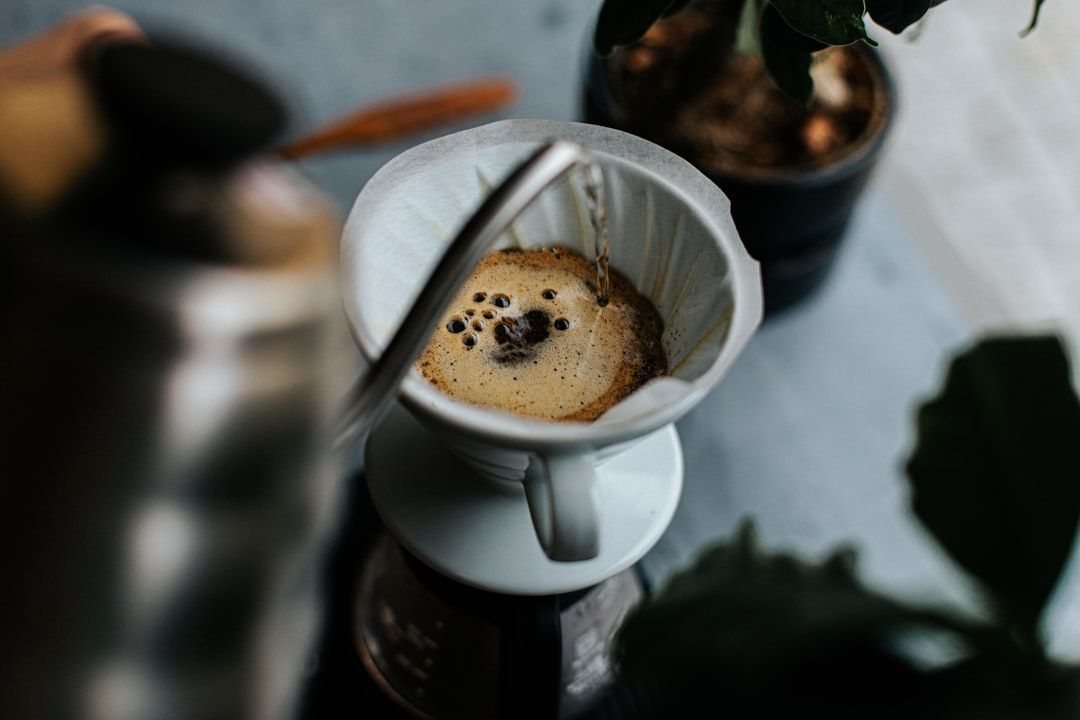
Manual pour-over technique involves pouring water in steady increments — beginning with a bloom pour (a small pre-infusion that degasses CO₂ from freshly roasted grounds) and then adding water in controlled pulses. This level of control makes pour-over one of the most technique-sensitive methods, allowing the brewer to modulate extraction on the fly.
Cup character
The use of a paper filter removes most coffee oils and very fine particles, producing a cup that is typically clean, bright, and high in clarity. Delicate floral and citrus aromas — the notes most easily lost to heat and agitation — are well preserved. Body tends to be lighter than immersion brews. Metal-filtered pour-overs allow more oils and micro-fines to pass, adding texture and weight to the cup.
Common percolation devices
- V60 (Hario) — a conical dripper with a large single hole; highly responsive to pour technique
- Chemex — a carafe-and-filter unit using thick paper that produces an exceptionally clean cup
- Kalita Wave — a flat-bed dripper with three small holes, offering more even extraction
- Automatic drip machines — ranging from simple home brewers to SCA-certified Precision Brewers that replicate controlled pour-over conditions at scale
The spectrum from extremely manual (hand-grinding, pouring in steady increments) to fully automated (a machine that grinds, heats, and brews automatically) is widest within this family.
Immersion: Steeping Methods
Immersion (also called infusion or steeping) methods submerge coffee grounds in water for a set period. Unlike percolation, the water surrounding the grounds becomes progressively more saturated as extraction proceeds — meaning that extraction rate slows over time as the concentration gradient diminishes. The brewer controls strength primarily through brew ratio and steep time, and controls separation by filtering or pressing.
How it works
- Ground coffee is combined with water all at once (or nearly so).
- The mixture steeps for a defined time, during which dissolved solids migrate from the grounds into the water.
- At the end of steeping, grounds are separated — by pressing (French press plunger), by pouring through a filter (AeroPress), or by allowing them to settle (cupping).
Cup character
Immersion typically produces a cup with greater body and mouthfeel, because the brew is in contact with the grounds for longer and (in unfiltered methods) retains more oils and micro-fines. Because the concentration gradient is self-limiting, immersion methods are often described as more forgiving — the extraction curve flattens out, making over-extraction somewhat less likely than in percolation if time slightly overshoots the target. However, longer steep times with very fine grinds can still produce bitterness and astringency.
A coarser grind is generally required for immersion methods compared to pour-over, as the extended contact time compensates for the reduced surface area. This relationship between grind and contact time is one of the most fundamental principles in Brewing Coffee.
Common immersion devices
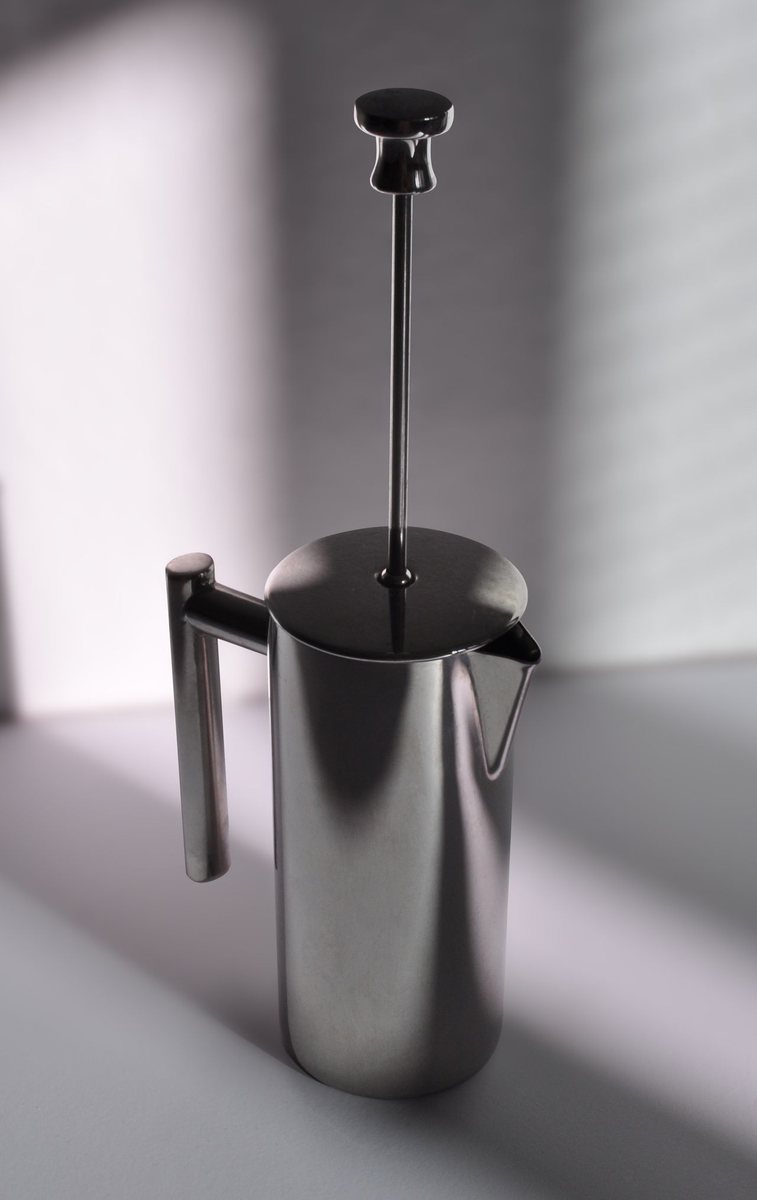
- French press (cafetière) — grounds steep in water; a metal mesh plunger is pressed to separate grounds. Oils pass freely through the metal filter, giving a full-bodied, textured cup.
- AeroPress — a versatile hybrid device in which grounds steep briefly before being pressed through a filter (paper or metal) by manual air pressure. Steep time is short (often 1–2 minutes), and the paper filter option produces a cleaner cup than a French press.
- Cupping — the industry-standard evaluation method in which grounds are steeped directly in a cup, crust broken, and grounds allowed to settle before tasting. No filter is used.
- Cold brew — grounds are steeped in cold or room-temperature water for an extended period (many hours). Because cold water is used, extraction of certain acids and oils differs substantially from hot methods; the resulting concentrate is lower in some perceived acids and notably smooth in body. Sources note that cold-brewed coffee maintains its character well when stored cold.
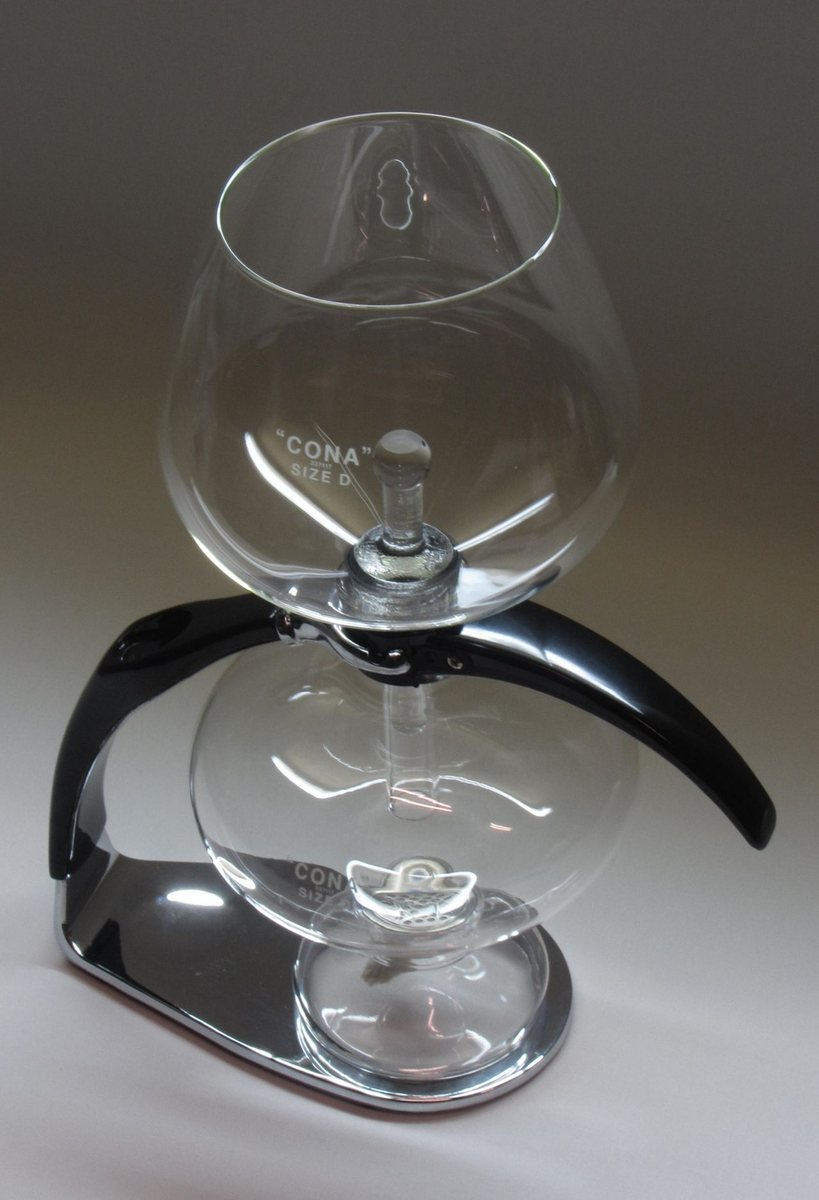
- Siphon (vacuum pot) — a theatre-heavy device that uses vapour pressure to draw water from a lower chamber into an upper chamber with grounds, then returns the brewed liquid to the lower chamber through a filter as it cools. This is effectively a pressurised immersion with a clean separation step.
Pressure: Espresso and Related Methods
Pressure brewing is categorically different from both percolation and immersion. In espresso, hot water is forced under high pressure through a compact, finely ground puck of coffee. This fundamental difference in physics produces a beverage unlike anything achievable by gravity or steeping alone.
Espresso: the archetype
Espresso is a concentrated form of coffee produced by forcing hot water under high pressure through finely ground coffee. It is characterised by a small serving size (typically 25–30 ml for a single shot) and its distinctive crema — the pale brown foam of emulsified oils and CO₂ that sits atop the shot. Extraction time is short, typically 25–30 seconds, during which pressure drives water through a compacted puck in a portafilter.
Because pressure dramatically accelerates solvation and emulsification, espresso contains a higher concentration of both dissolved and suspended solids than any gravity-based brew method. This gives espresso its characteristic viscosity, intensity, and complexity of flavour — compounds that would require much longer contact times to extract via percolation are solubilised rapidly under pressure.
Key machine and technique variables include:
- Grind size — espresso demands an extremely fine, uniform grind
- Tamping — the act of compressing the grounds in the portafilter to create uniform resistance to water flow
- Water temperature and pressure — both are tightly managed by the machine
- Dose and yield (brew ratio) — the mass of ground coffee in and liquid espresso out
The quality of an espresso is influenced by grind size, water temperature, pressure, and the barista's skill in tamping. Espresso also serves as the base for a wide family of milk-based drinks — cappuccino, caffè latte, flat white — in which frothed dairy thickens mouthfeel and mutes more delicate aromas. See Brew Ratio for more on espresso dose-to-yield ratios.
The crema and extraction chemistry
The crema — originally called crema caffè when Gaggia commercialised the modern pressure machine in the 1940s — is a direct product of the pressure extraction process: CO₂ dissolved in the liquid under pressure comes out of solution as the espresso exits the portafilter, stabilised by emulsified oils into a persistent foam. It is not present in any gravity-based brew method.
Variants within pressure brewing
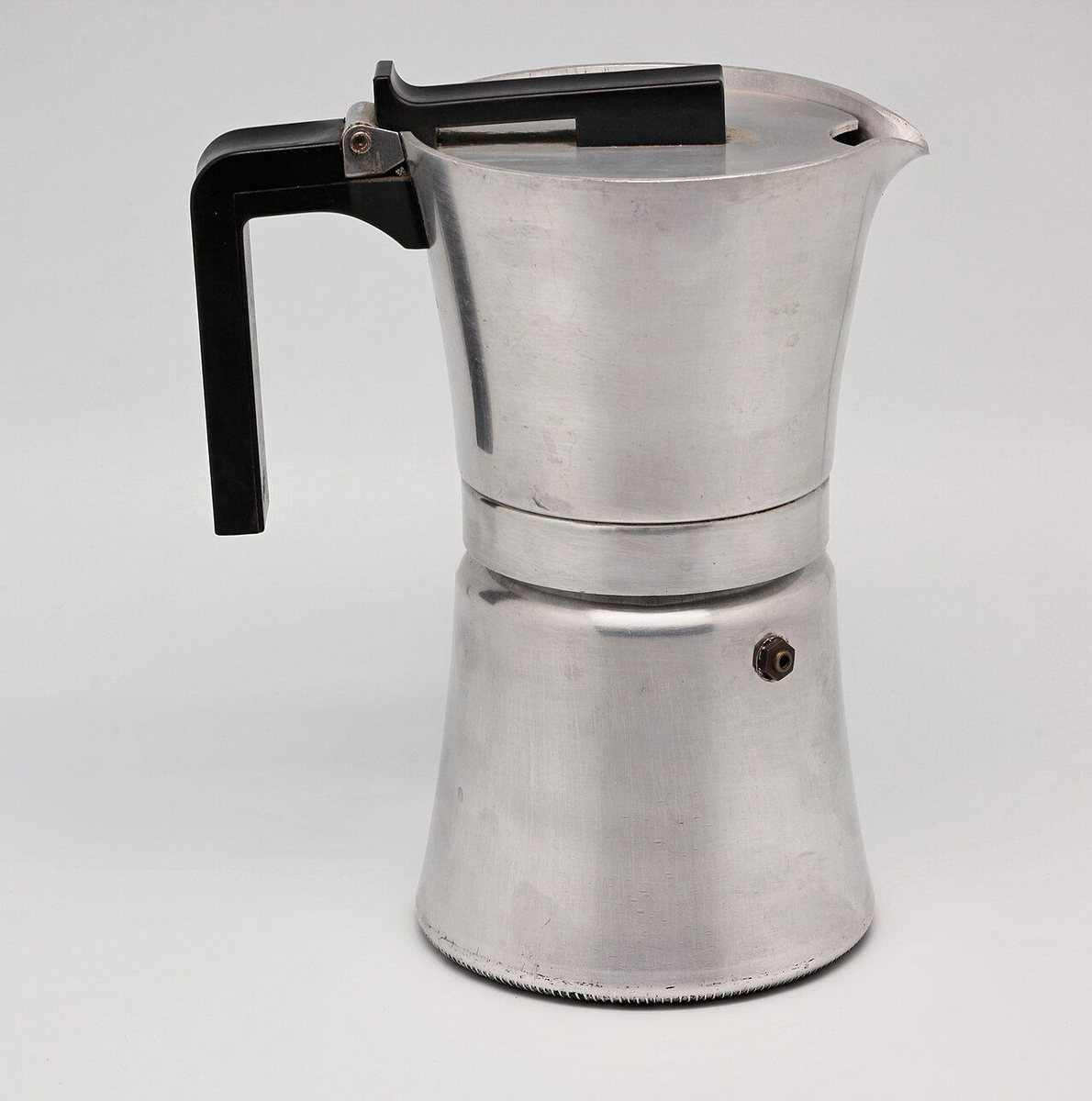
- Moka pot (stovetop espresso maker) — uses steam pressure generated by boiling water in a sealed lower chamber to push water up through a grounds basket. Pressure is lower than an espresso machine and less precisely controlled, producing a concentrated but crema-free brew.
- Capsule and pod machines — single-serve systems in which a pre-measured pod of ground coffee is pressurised by the machine. These represent the fully automated end of the automation spectrum, sacrificing grind freshness for convenience.
- Caffè crema — a long espresso variant popular in Germany, Switzerland, and Austria, brewed by running a significantly larger volume of water (roughly 180–240 ml) through an espresso machine, typically with a coarser grind. In terms of solubles concentration, caffè crema sits approximately midway between a lungo and non-pressure brewed coffee such as drip or press.
How Method Shapes the Cup: A Comparative View
| Dimension | Percolation (pour-over) | Immersion (French press) | Pressure (espresso) |
|---|---|---|---|
| Contact time | Short to moderate (2–4 min typical) | Moderate to long (3–12 min) | Very short (25–30 sec) |
| Agitation | Moderate (pour turbulence) | Low to moderate | High (forced flow through puck) |
| Filter type | Paper, metal, or cloth | Metal mesh (or none) | Metal basket |
| Body/mouthfeel | Light to medium (paper) | Full, oily | Very full, viscous |
| Clarity | High | Low | Low (concentrated) |
| TDS / concentration | Low to moderate | Low to moderate | Very high |
| Grind required | Medium (varies by device) | Coarse | Very fine |
Note: specific TDS and extraction yield targets are discussed in Extraction: Yield & Strength.
Beyond these three families, the spectrum of devices runs from the most manual — hand-grinding and carefully pouring water in increments over a filter — to the fully automated, where a single appliance measures beans, grinds, heats water, and brews without human intervention. Neither end of the spectrum is inherently superior; the tradeoff is between control and convenience.
Choosing a Method: Practical Considerations
No single method is objectively best. Selection depends on several factors:
- Desired cup character: if brightness, clarity, and floral aromatics are the priority, percolation with a paper filter is the natural fit. If full body and texture are the goal, immersion or espresso is more appropriate.
- Available time and attention: manual pour-over rewards focused technique; immersion methods are more forgiving of small timing errors; automated drip machines remove human variability entirely.
- Volume: most manual methods are optimised for one or two servings; automatic drip brewers and batch-brew machines scale to larger volumes.
- Downstream drinks: espresso is the essential starting point for any milk-based coffee drink. Drip or immersion coffee is not a practical base for a cappuccino.
- Grind consistency: because finer grinds are required for espresso and finer pour-overs, investment in a quality burr grinder — which produces a more uniform particle distribution than blade grinders — pays dividends across all methods. A uniform grind is highly desirable regardless of method, because inconsistent particle sizes produce simultaneously over- and under-extracted compounds in the same cup.
For a thorough treatment of how water quality interacts with all of these methods, see Water for Coffee.
In this section
AeroPress
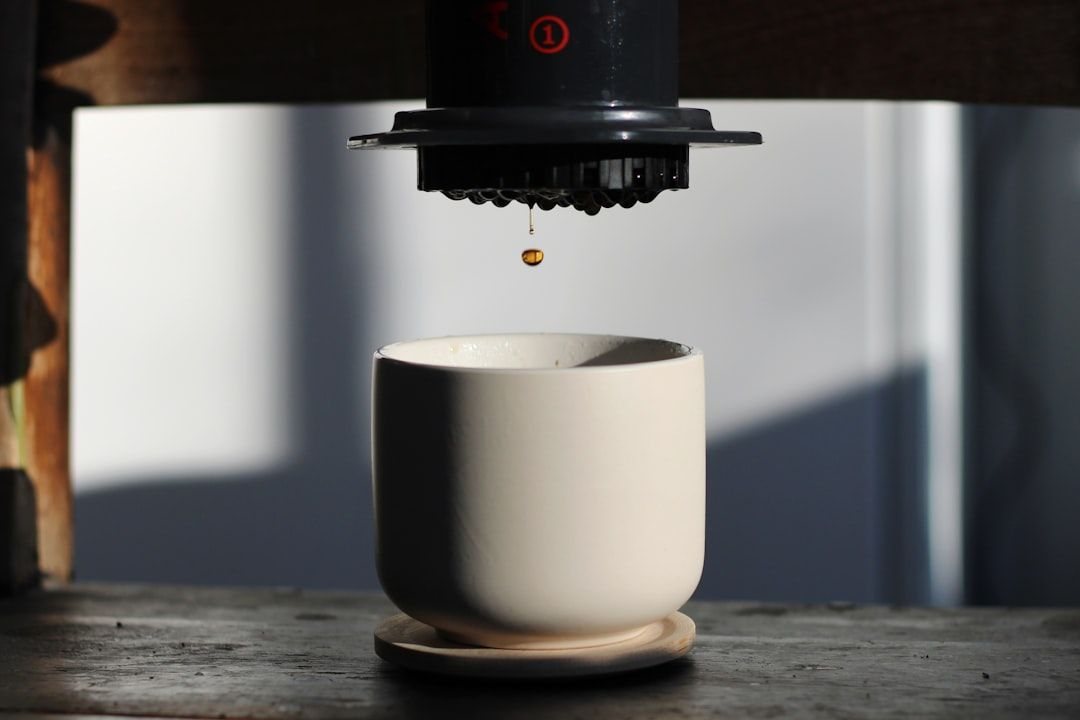
The AeroPress is a syringe-style manual brewer invented by Alan Adler that combines immersion steeping with gentle plunger pressure to produce clean, low-acidity coffee in under two minutes. Its tolerance for variable parameters, support for both standard and inverted techniques, and compatibility with paper or metal filters make it one of the most versatile and forgiving brewers available to home and competition baristas alike.
Cold Brew
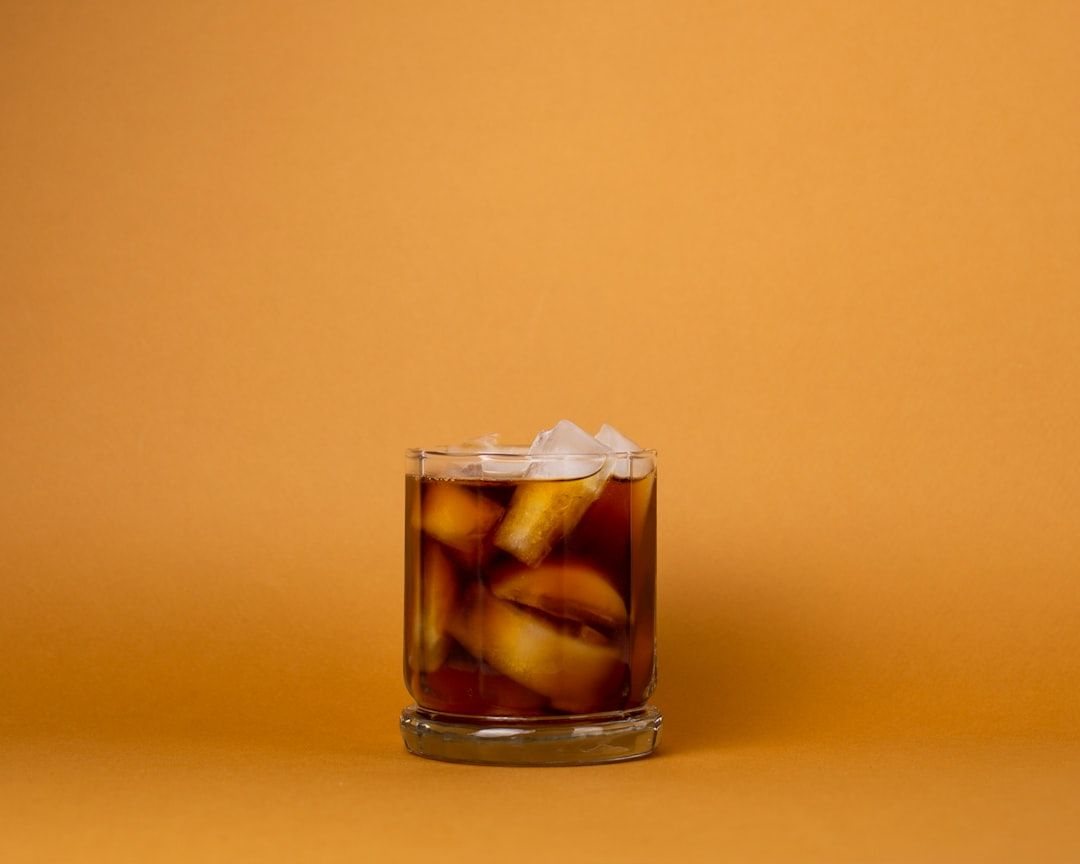
Cold brew is a room-temperature or chilled immersion method that steeps coarse-ground coffee in water for 12 to 24 hours, producing a smooth, low-acidity concentrate that is diluted before serving. Its long, heat-free extraction yields a chemically distinct profile from hot-brewed coffee, with notably higher caffeine per volume and reduced titratable acidity.
Espresso
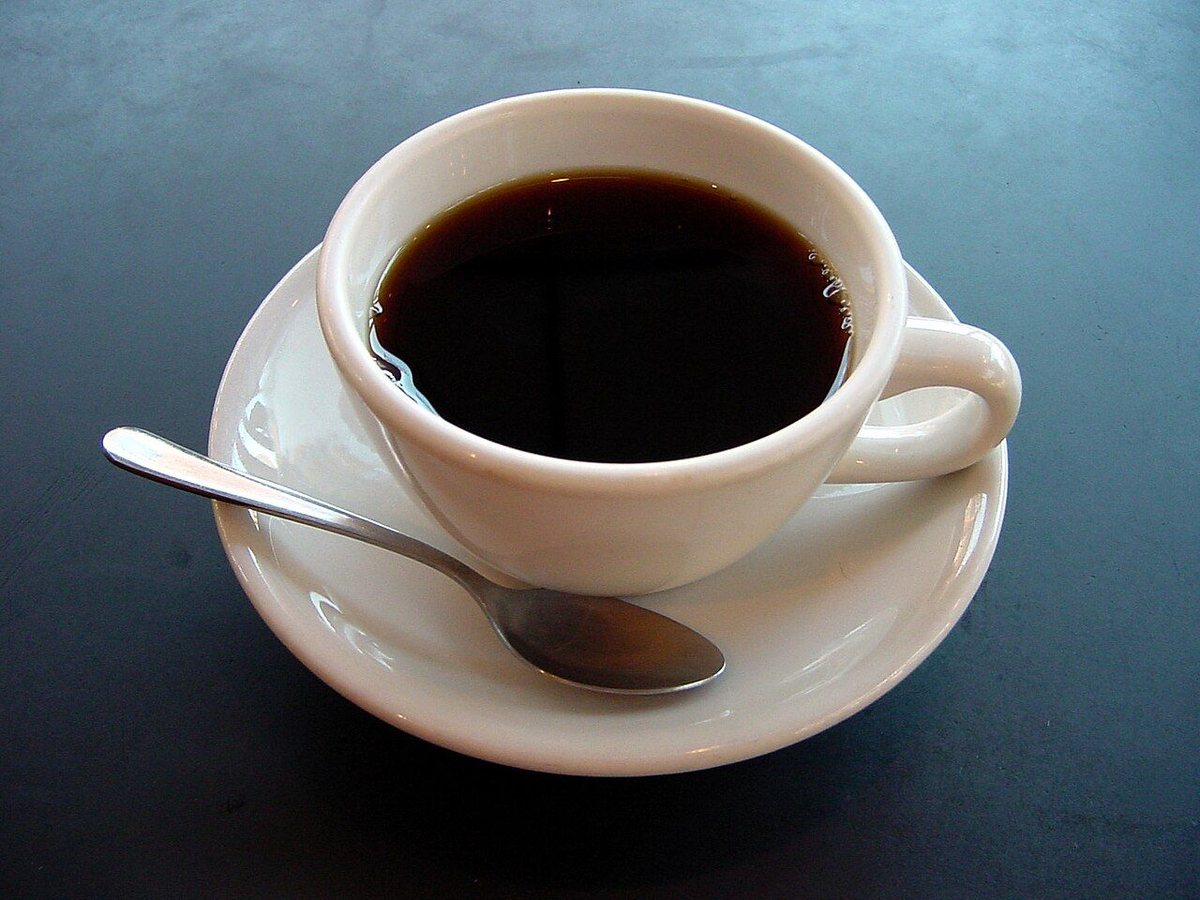
Espresso is a concentrated coffee beverage produced by forcing hot water under high pressure through a finely ground, compacted puck of coffee. It is the most technically demanding of all common brewing methods, where small changes in grind, dose, yield, temperature, or pressure can dramatically shift the cup.
Immersion Brewing
Immersion brewing steeps ground coffee fully submerged in water for a fixed period, then separates the liquid from the grounds. The method is forgiving, even-extracting, and produces a full-bodied cup with rich mouthfeel—making it one of the most accessible and consistent ways to brew coffee at home or in the lab.
Moka Pot
The moka pot is a stove-top pressure brewer invented in Italy in 1933 that produces a concentrated, full-bodied coffee by driving hot water through ground coffee at 1–2 bar of pressure — bold enough to stand on its own, yet distinct from true espresso.
Pour-Over Brewing
Pour-over brewing is a manual percolation method in which hot water is poured over ground coffee held in a filter, allowing gravity to draw the brew downward into a vessel below. Precise control over water delivery, grind size, and ratio makes it one of the most expressive and transparent brewing methods available.
Siphon (Vacuum) Brewing
Siphon brewing harnesses vapor pressure and gravity to produce a remarkably clean, full-immersion cup—combining nineteenth-century physics with a meditative ritual that endures in Japanese kissaten culture and specialty coffee bars worldwide.
Frequently asked questions
- What is the difference between percolation and immersion brewing?
- In percolation (pour-over, drip), water passes continuously through a bed of grounds and drains away, maintaining a high concentration gradient that drives extraction. In immersion (French press, cold brew), grounds sit in water for a set period; the gradient diminishes as the water becomes saturated, which naturally limits extraction rate over time. Percolation tends to produce a cleaner, brighter cup; immersion typically produces more body and texture.
- Why does espresso taste so much more intense than drip coffee?
- Espresso is brewed by forcing hot water under high pressure through a very finely ground, compacted puck of coffee in 25–30 seconds. This pressure-driven process extracts a much higher concentration of dissolved and suspended solids — including oils and fine particles — than gravity-based methods, producing a small, intensely flavoured shot rather than a larger, less concentrated cup.
- What brew ratio should I use?
- Commonly cited guidance places preferred brew ratios in the range of 15–18:1 by mass (water to coffee) for most filter methods. Even within this range, differences are noticeable. Espresso uses a much tighter ratio — the dose-to-yield relationship is discussed in detail in the Brew Ratio article. The right ratio also depends on the brewing method, grind, and personal taste preference.
- Does grind size really matter that much?
- Yes — grind size is one of the most consequential variables in brewing. Methods with longer contact times require coarser grinds; shorter-contact methods need finer grinds. Too fine a grind over-extracts, producing bitterness; too coarse a grind under-extracts, producing weakness. A uniform grind — achieved by a burr grinder rather than a blade grinder — is highly desirable because inconsistent particle sizes result in simultaneous over- and under-extraction in the same brew.
- Can I use the same coffee for all brewing methods?
- The same roasted beans can technically be used across methods, but each method calls for a different grind size, and the roast level may suit some methods better than others. The character of the extraction — acidity, body, aroma, bitterness — will differ substantially depending on which method is used, even with identical beans and water.
- What is crema and why does only espresso have it?
- Crema is the pale brown foam that sits atop a fresh espresso shot, formed by CO₂ coming out of solution as the pressurised liquid exits the portafilter, stabilised by emulsified coffee oils. It is a direct product of high-pressure extraction and cannot be replicated by gravity-based or steeping methods, which do not generate sufficient pressure to dissolve and then rapidly release CO₂ in this way.
See also