Knowledge · roasting
Degassing & Freshness
How carbon dioxide shapes freshness, extraction, and the ideal rest window for every brew method
Key facts
- Also called
- Off-gassing
- Rest window
- 3 to 14 days post-roast
- Espresso ideal rest
- 7–14 days or more
- Filter coffee rest
- 3–7 days
- Primary packaging tool
- One-way valve bags
- Key enemies after opening
- Oxidation, moisture, aromatic loss
What Is Degassing?
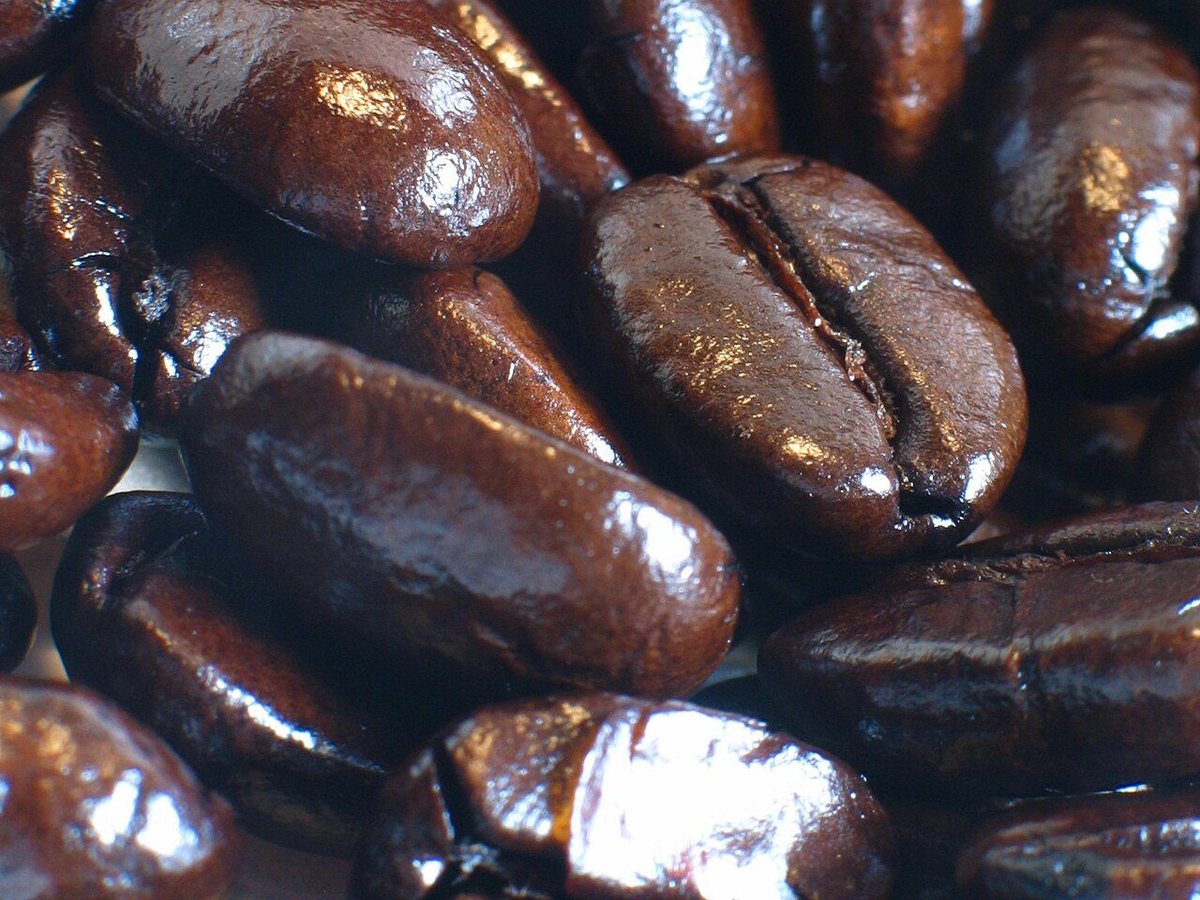
When coffee beans are roasted, the intense heat of the process drives a cascade of chemical reactions—most notably the Maillard reaction and caramelization—that fundamentally transform the bean's structure and chemistry. One significant by-product of these reactions is the production of carbon dioxide (CO2), which becomes trapped within the porous cellular matrix of the roasted bean.
Immediately after roasting, this CO2 begins to escape—a process called degassing (also referred to as off-gassing). The rate is highest in the first hours after the roast and gradually tapers over days and weeks. Because coffee roasting converts the bean from a relatively stable green state into a structurally altered, reactive roasted product, the freshness clock starts ticking the moment the beans leave the drum.
Why Fresh Coffee Needs Rest
Counter-intuitively, coffee that is too fresh can produce an inferior cup. When CO2 is still releasing rapidly from the bean, it interferes with the extraction process: water cannot fully saturate the coffee grounds because escaping gas creates a barrier between the water and the soluble compounds you want to dissolve.
The practical result is uneven extraction—under-developed flavor, sharp acidity, and a general lack of balance. Baristas and home brewers alike often describe very fresh coffee as tasting "gassy" or hollow.
The commonly recommended rest window is 3 to 14 days post-roast, though the appropriate range depends heavily on roast level and brew method:
- Filter/pour-over: Typically rested for 3–7 days. The gentler brewing dynamics are more tolerant of moderate CO2 levels, and filter coffee often shows its best complexity within this shorter window.
- Espresso: Generally benefits from a longer rest of 7–14 days or more. The high pressure of espresso extraction amplifies any CO2-driven turbulence, making rest especially important for a stable, repeatable shot.
- Darker roasts tend to degas faster than lighter ones because the more extensively degraded cell structure releases CO2 more readily. A dark roast may be ready for espresso closer to 7 days, while a light roast might benefit from resting toward the upper end of the range or beyond.
The chemistry underlying these flavor changes is explored in detail in The Chemistry of Roasting.
CO2, Extraction, and Espresso Crema
CO2 plays a dual role in the cup: it is both a disruptor during the rest phase and a desirable contributor to espresso crema once the coffee has reached an appropriate equilibrium.
Crema—the reddish-brown foam that forms on the surface of a well-pulled espresso—is largely composed of CO2 bubbles emulsified with coffee oils and surfactant compounds. A bean that retains sufficient CO2 at brew time will produce a thick, persistent crema, which is widely regarded as a visual and textural indicator of freshness and proper extraction.
However, excess CO2 (from coffee that is under-rested) causes several extraction problems:
- Channeling: Gas escaping through the puck disrupts the even flow of pressurized water, creating uneven lanes and a poorly extracted shot.
- Bloom turbulence: In pour-over and French press methods, the pre-infusion "bloom" becomes exaggerated, making timing and dose difficult to control.
- Inconsistent TDS: Because CO2 actively displaces water from the grounds, the total dissolved solids in the final cup can vary unpredictably from one brew to the next.
Conversely, coffee that has degassed too far—stale coffee—produces flat crema (thin, pale, or absent), muted aroma, and oxidized, cardboard-like flavor notes. The ideal brew window sits between these two extremes.
One-Way Valve Bags
The modern specialty coffee bag addresses degassing through a simple but important piece of engineering: the one-way valve (also called a degassing valve or Goglio valve, after a common early design).
A one-way valve is a small pressure-release mechanism heat-sealed into the interior of a coffee bag. It functions as follows:
- CO2 building up inside the bag can push outward through the valve and escape.
- Ambient air and oxygen cannot flow inward, protecting the coffee from oxidation.
Without a valve, CO2 pressure would either burst a sealed bag or force roasters to leave bags unsealed—both unacceptable outcomes. With a valve, freshly roasted coffee can be packaged immediately after roasting without waiting for full degassing, preserving aroma compounds that would otherwise dissipate into the open air.
One-way valve bags have become the industry standard for specialty whole-bean coffee. Key features to look for include:
- Valve placement (typically on the front face of the bag for practical function)
- Nitrogen flushing in combination with the valve—some roasters purge the bag with inert nitrogen gas before sealing to further displace residual oxygen
- Opaque or foil-laminate material to protect against UV light degradation
For the consumer, the valve also serves as a simple freshness test: press on a sealed bag—if you can smell fresh roasted coffee through the valve, the beans still retain volatile aromatic compounds.
The Freshness Decline Curve After Opening
Once a bag of roasted coffee is opened, a new and accelerated freshness clock begins. The primary enemies at this stage shift from CO2 management to oxidation, moisture, and aromatic loss.
The freshness decline follows a roughly predictable curve:
- Days 1–7 after opening: Flavor and aroma remain largely intact for whole beans stored properly. This is the optimal use window for most coffees.
- Days 7–14: Noticeable fade in top notes (floral, citrus, bright fruit). Body and sweetness may persist, but complexity diminishes.
- Beyond 14 days: Significant staling. Oxidized, flat, or papery flavors become prominent. Oils on the surface of darker roasts can turn rancid.
Ground coffee degrades far faster than whole beans. Grinding dramatically increases surface area exposed to oxygen and causes CO2 and aromatics to escape within minutes to hours rather than days. For this reason, grinding immediately before brewing is consistently recommended for the freshest possible cup.
Best practices for preserving freshness after opening:
- Reseal the bag tightly using the built-in tin tie or clip after each use.
- Store at room temperature, away from heat, light, and humidity. Contrary to a popular myth, refrigerating coffee exposes beans to moisture and absorbs food odors—a cool, dark cupboard is preferable for short-term storage.
- Freezing whole beans in an airtight container is a valid strategy for longer-term storage (beyond 2–4 weeks), but beans should be brought to room temperature before opening the container to prevent condensation forming on the cold surface.
- Buy in quantities you will use within 2–3 weeks of opening—the single most effective freshness strategy.
Roast Level and Degassing Rate
Not all roasts degas at the same speed. Understanding the relationship between roast level and degassing rate helps set realistic rest windows.
Lighter roasts (light roast, medium roast) retain more of the bean's dense cellular structure and release CO2 more slowly. They often require longer rest periods—sometimes up to 14 days or more for espresso applications—before extraction becomes consistent.
Darker roasts (dark roast) have more extensively pyrolyzed cell walls, creating a more open, porous matrix. CO2 escapes more rapidly, so the total degassing period is shorter. However, the accelerated off-gassing also means that the freshness window closes faster; a dark roast may peak and then stale more quickly than a light roast.
This is one practical reason why many specialty roasters print a roast date (rather than a vague "best before" date) on their packaging: it empowers the consumer to calculate the appropriate rest window for their chosen brew method and roast level.
Summary: Working With Degassing
Degassing is not a flaw in freshly roasted coffee—it is an inherent, manageable characteristic of a living product. The key principles:
- Rest your coffee after roasting: 3–7 days for filter methods, 7–14+ days for espresso.
- CO2 contributes to crema in espresso but causes extraction problems when present in excess.
- One-way valve bags allow immediate post-roast packaging without oxidation risk.
- Once opened, whole beans are best consumed within 1–2 weeks; ground coffee should be used immediately.
- Roast level matters: lighter roasts degas more slowly and need longer rest; darker roasts degas faster and stale faster.
- Always look for a roast date on the package to calculate your optimal brew window.
Frequently asked questions
- How long should I rest coffee after roasting before brewing?
- The commonly recommended range is 3 to 14 days post-roast. Filter and pour-over methods typically benefit from 3–7 days of rest, while espresso generally performs better after 7–14 days or more. Lighter roasts tend to need longer rest periods than darker roasts.
- Why does very fresh coffee taste bad?
- Immediately after roasting, high levels of CO2 are still escaping from the bean. This gas creates a barrier that prevents water from fully saturating the grounds, leading to uneven extraction, sharp acidity, and a hollow or "gassy" flavor.
- What does a one-way valve bag do?
- A one-way valve allows CO2 produced by the roasted beans to escape from the bag while preventing oxygen from entering. This means roasters can seal coffee immediately after roasting without the bag bursting, while still protecting the beans from oxidation.
- Does refrigerating coffee keep it fresh?
- Refrigeration is generally not recommended for short-term storage because coffee absorbs moisture and food odors from the refrigerator environment. A cool, dark, airtight container at room temperature is preferable for coffee you will use within a few weeks. Freezing in a truly airtight container is a valid option for longer-term storage.
- Why does ground coffee go stale faster than whole beans?
- Grinding dramatically increases the surface area of the coffee exposed to oxygen and accelerates both CO2 release and oxidation. Whole beans are protected by their relatively intact cell structure. Ground coffee can lose significant aroma and flavor within hours, which is why grinding immediately before brewing is strongly recommended.
- What is crema, and how is it related to CO2?
- Crema is the reddish-brown foam on the surface of an espresso shot, formed largely by CO2 bubbles emulsified with coffee oils. Adequate residual CO2 in the bean at brew time produces a thick, persistent crema. Under-rested coffee produces excessive turbulence during extraction, while stale coffee produces little or no crema at all.
See also