Discover · By Flavor
Chocolate & Nutty Coffees: A Tasting Guide
Where cocoa depth and almond warmth come from — and the best coffees delivering them today
Key facts
- Flavor Family
- Chocolate, nuts, caramel, and toast notes
- Key Origins
- Brazil and Central America
- Best Processing
- Natural, washed, or pulped-natural
- Ideal Roast Level
- Medium roast
- Brazil Profile
- Milk chocolate, almond, peanut, full-bodied
- Central America Profile
- Dark cocoa, brown sugar, walnut, bright
What We Mean by Chocolate and Nutty
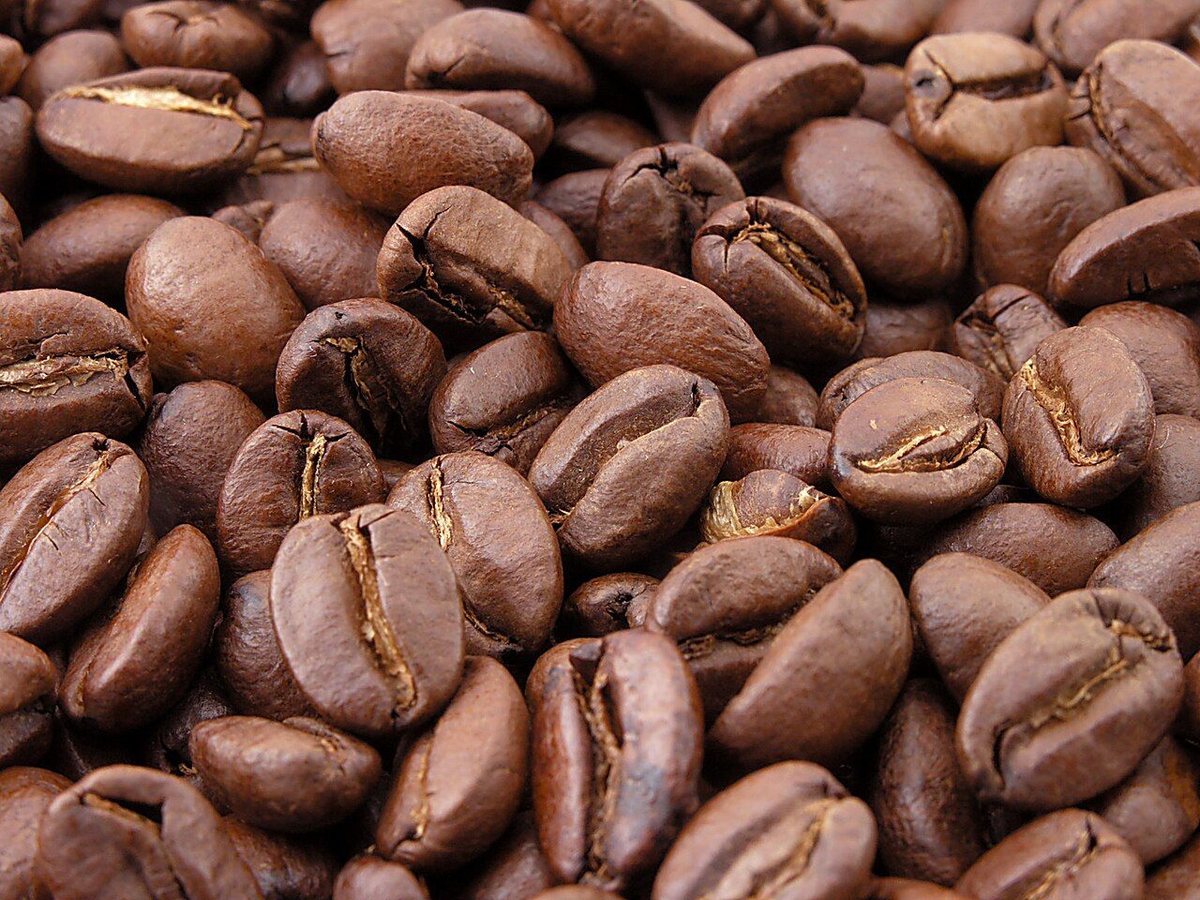
Before diving into origins and roast curves, it helps to be precise about the flavors themselves. In professional coffee evaluation — a practice known as cupping — tasters use the term chocolate-like to describe aromas reminiscent of cocoa powder and chocolate, both dark and milk varieties, and note that it is "sometimes referred to as sweet." The nutty descriptor, meanwhile, refers specifically to the smell and flavor of fresh nuts, explicitly distinct from rancid nuts and from bitter almonds. These are not vague impressions; they are reproducible, trainable perceptions that sit alongside caramel, cereal, and toast on a shared sensory spectrum.
Think of these flavors as a family. A cup might lead with bittersweet dark chocolate, trail into roasted hazelnut, and finish with something approaching brown sugar or malt. Understanding that family — and knowing which coffees belong to it — is the whole project of this guide.
Why Origin Shapes the Flavor Profile
Coffee beans absorb the character of the environment where they are grown. As the Coffee Geography article on Coffeester explores in depth, altitude, soil composition, rainfall patterns, and local varietals all leave fingerprints in the cup. For chocolate and nutty notes, two regions stand out above all others: Brazil and Central America.
Brazil
Brazil is the world's largest coffee producer, and its coffees have become something close to the definitive reference point for chocolate and nut flavors. Several factors converge to produce this profile:
- Lower altitudes relative to Ethiopian or Kenyan farms mean slower, steadier cherry ripening and a less intensely acidic bean.
- Cerrado and Sul de Minas growing regions produce beans with a naturally low-acid, full-bodied cup that lends itself to milk chocolate, almond, and peanut notes.
- Natural and pulped-natural processing (see below) preserve and amplify those earthy, rounded sweetnesses.
The result is a cup that is round, approachable, and often described as "nutty" or "chocolatey" before any roasting decisions even enter the picture.
Central America (Guatemala, Honduras, El Salvador)
Central American coffees, particularly washed lots from Guatemala and Honduras, tend to deliver a cleaner, brighter expression of the same flavor family. Where Brazil gives you milk chocolate and roasted almond, a washed Guatemalan might offer dark cocoa, brown sugar, and a walnut-like nuttiness. The higher altitudes introduce a gentle acidity that lifts the chocolate note and stops it from feeling flat.
How Processing Unlocks (or Locks In) These Notes
Once a coffee cherry is picked, how it is processed before roasting has an enormous influence on the flavor profile in the cup. For chocolate and nutty lovers, two processes are especially relevant.
Washed (Wet) Process
In washed processing, the fruit pulp is removed from the coffee seed quickly, and the bean is dried with little or no fruit contact. This produces a cleaner, more transparent cup — the terroir and varietal character of the bean come through without the interference of fermented fruit sugars. For chocolate-and-nutty seekers, this means the cocoa and nut notes you taste are genuinely intrinsic to the bean itself. Washed Central American coffees are the classic example.
Natural (Dry) Process
In natural processing, the whole cherry is dried with the fruit intact, sometimes for weeks. The bean soaks up sugars and fermentation by-products from the surrounding pulp, resulting in a fuller-bodied, sweeter cup with pronounced fruit-forward or "jammy" qualities alongside deeper chocolate tones. Brazilian naturals often deliver milk chocolate, dried fruit, and a creamy, almost syrupy mouthfeel. If you want the most decadent expression of chocolate notes, a well-made natural process coffee is a strong candidate.
Pulped Natural / Honey Process
Halfway between the two, pulped-natural (or honey) processing removes the outer skin but leaves varying amounts of the sticky mucilage on the bean during drying. This is common in Brazil and produces a profile with good body, moderate sweetness, and a clean but rounded chocolate character.
The Roaster's Role: Why Medium Roast Is the Sweet Spot
No discussion of chocolate and nutty coffees is complete without talking about the roast. Medium roast is the level most associated with these flavors, and for good reason.
Roasting transforms green coffee through a cascade of chemical reactions — most importantly the Maillard reaction, the same process that browns bread and gives chocolate its characteristic complexity. As the roast progresses:
- Light roasts preserve more of the bean's origin character, which in a Brazilian might mean grain and cereal notes that haven't yet developed into fuller chocolate.
- Medium roasts hit the sweet spot where Maillard-derived cocoa and nut compounds are fully developed without the bitter, ashy, or smoky notes that the cupping literature associates with dark-roasted coffees.
- Dark roasts can push chocolate notes into "burnt/smoky" territory — a descriptor that professional tasters use specifically for dark-roasted coffees — masking the nuanced nuttiness underneath.
For newcomers especially, a medium roast from Brazil or Central America is the most reliable entry point. The flavors are expressive, the acidity is approachable, and the cup rewards both black-coffee drinkers and those who add milk.
Coffees to Try Right Now
The following beans are currently in stock and represent some of the most compelling examples of the chocolate-and-nutty profile available today.
Counter Culture Coffee
Counter Culture Coffee is a Durham, North Carolina–based roaster with a long track record in sourcing coffees that express clean, well-defined flavor profiles. Their approach to medium-roast blends and single origins from Brazil and Central America consistently delivers the kind of balanced cocoa and nut character this guide is built around. Best for: drinkers who want a reliable, repeatable cup with approachable sweetness and good body. Works beautifully as both a filter coffee and a base for milk-based espresso drinks.
Pilot Coffee Roasters
Toronto's Pilot Coffee Roasters occupies a thoughtful middle ground between specialty-forward brightness and crowd-pleasing comfort. Known for precise sourcing and careful roast development, their coffees in the chocolate-and-nutty range tend toward dark chocolate, toasted hazelnut, and caramel — a profile that suits morning drinkers who want complexity without high acidity. Best for: those who like their chocolate notes more bittersweet than milky, and who appreciate a slightly more structured, less jammy cup than a pure natural process delivers.
Zarza — Square Mile Coffee Roasters
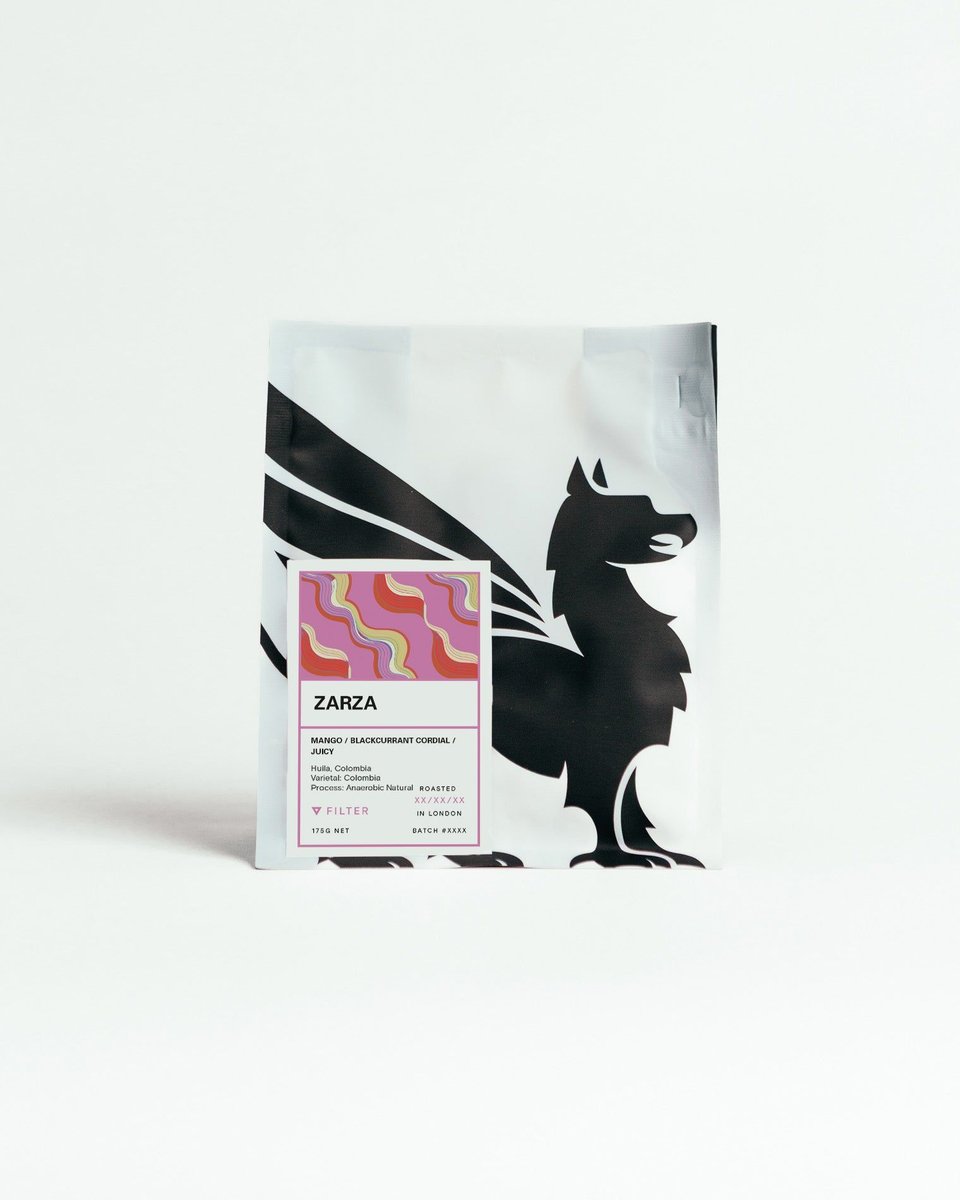
The Zarza from London's Square Mile Coffee Roasters is one of the most interesting options in this flavor category. Square Mile is known for rigorous sourcing and a restrained, precise roasting philosophy that lets the bean's inherent character speak clearly. The Zarza represents a style where nutty and chocolate notes are present but framed by enough clarity to reveal the underlying terroir. Best for: curious newcomers who want to understand what "chocolate-like" actually means in a well-sorted specialty context, rather than simply tasting a generic cocoa hit.
Potosi Natural — La Cabra
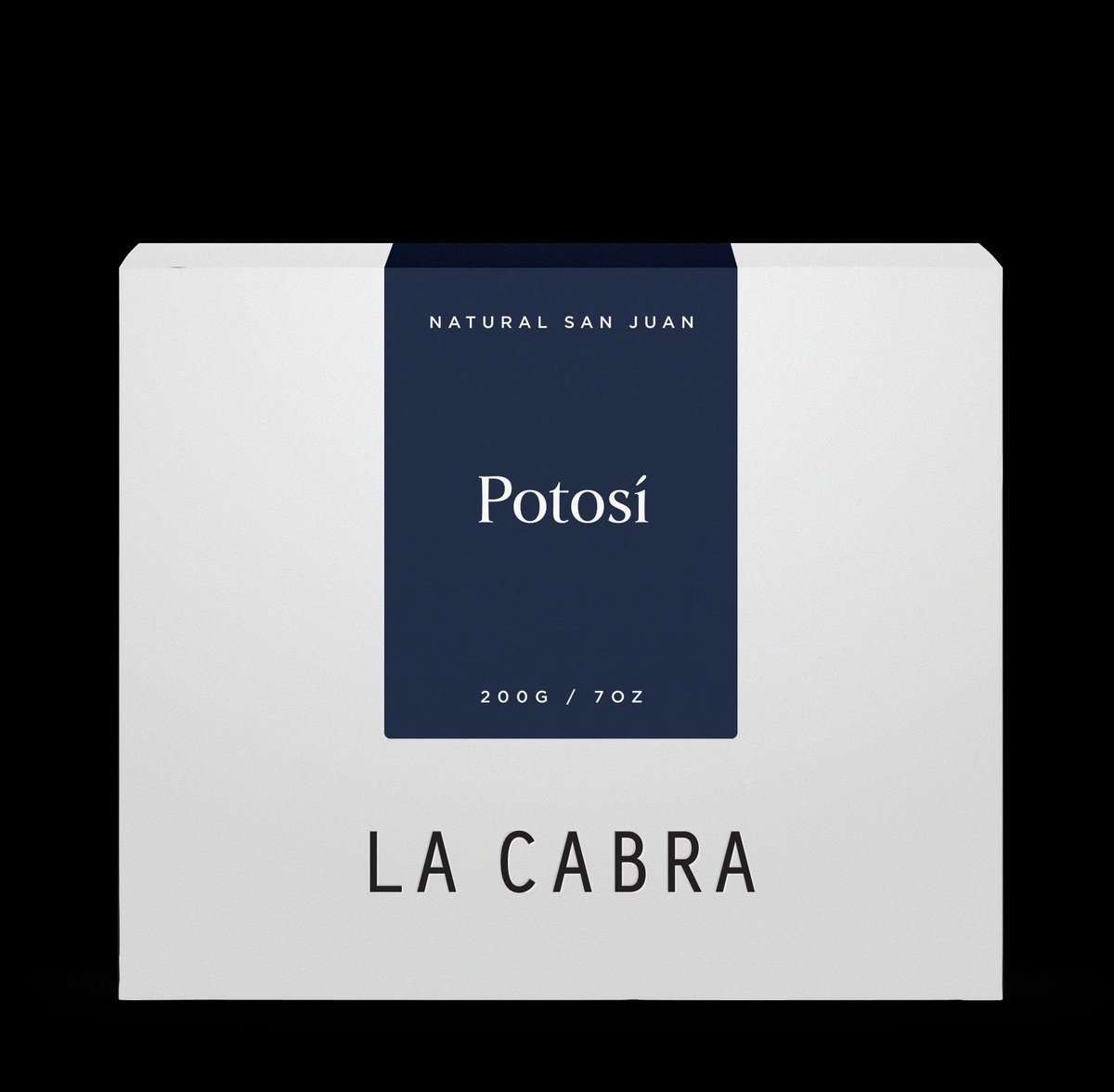
The Potosi Natural from Denmark's La Cabra is a natural-process coffee, which means it arrives with all the body and fruit-adjacent sweetness that processing method brings. La Cabra is recognized for a light-to-medium roast philosophy that preserves origin character while developing sweetness carefully. In a natural-process coffee, this approach yields the kind of cup where dark chocolate and dried-fruit notes coexist — a more complex, layered interpretation of the flavor family than a straightforward Brazilian medium roast. Best for: drinkers ready to move beyond the familiar and explore how natural processing amplifies chocolate depth. Note the trade-off: the cup is more expressive and wilder than a washed equivalent, which some newcomers find surprising on first taste.
How to Taste for These Flavors at Home
You don't need a professional lab or Q Grader certification to start identifying chocolate and nutty notes in your cup. A simplified version of the cupping approach is accessible to anyone:
- Smell the dry grounds before brewing. Cocoa powder aromas are often most obvious here, before water extracts and transforms them.
- Brew simply — a French press or pour-over without paper filters (or with a medium-flow filter) will preserve the body that carries nutty mouthfeel best.
- Slurp deliberately. The cupping practice of aerating coffee across the tongue isn't just affectation — spreading the liquid helps you perceive texture and the full spread of flavor simultaneously.
- Let it cool slightly. Chocolate and nut notes often become more distinct as a cup cools from scalding to warm. The sweetness opens up.
- Use the Coffee Taster's Flavor Wheel as a reference. Start with the broad category ("nutty," "chocolatey") and work inward toward specifics (hazelnut vs. almond, dark chocolate vs. milk chocolate) as your palate develops.
Quick-Reference: Choosing Your Chocolate-Nutty Coffee
| If you want… | Look for… |
|---|---|
| Approachable, crowd-pleasing chocolate | Brazilian natural or pulped-natural, medium roast |
| Clean cocoa with some brightness | Washed Central American, medium roast |
| Rich, layered dark chocolate | Natural-process, light-to-medium roast (try Potosi Natural) |
| Bittersweet and structured | Medium roast with precise sourcing (try Pilot or Square Mile) |
| A reliable daily driver | Counter Culture Coffee's medium-roast offerings |
The world of chocolate and nutty coffees is wider and more nuanced than it first appears, but it is also one of the most rewarding flavor territories to explore — because the benchmarks are familiar. You already know what chocolate tastes like. The pleasure is in discovering how many different versions of it a coffee bean can hold.
Coffees demonstrating this
From our catalog of in-stock beans.
Natural
Potosi Natural
La Cabra · 38 DKK
Natural process lot with soft fruit and cacao notes from Café Granja's signature fermentation.
Colombia · Natural
Zarza
Square Mile Coffee Roasters · £18.25
Fruity and candy-like Colombian natural process coffee from Huila producers.
Roasters featured

Frequently asked questions
- Why do Brazilian coffees taste chocolatey and nutty?
- Brazil's lower-altitude farms, natural and pulped-natural processing methods, and specific regional varietals all contribute to a naturally low-acid, full-bodied cup with milk chocolate, almond, and peanut characteristics — before roasting even enters the picture.
- Is medium roast always best for chocolate flavors?
- Medium roast is the most reliable level for developing Maillard-derived cocoa and nut compounds without introducing the bitter, smoky, or ashy notes associated with darker roasts. That said, a skilled light-to-medium roast on a natural-process coffee (like the Potosi Natural from La Cabra) can deliver exceptional chocolate depth with more origin clarity.
- What's the difference between washed and natural process for these flavors?
- Washed coffees remove the fruit before drying, producing a cleaner cup where cocoa and nut notes are more transparent and terroir-driven. Natural-process coffees dry with the fruit intact, adding body, sweetness, and often a fruit-adjacent quality that amplifies chocolate notes into richer, more layered territory.
- Can I taste for these notes at home without special equipment?
- Yes. Start by smelling dry grounds before brewing — cocoa aromas are often strongest there. Brew with a French press or pour-over, let the cup cool slightly, and use the Coffee Taster's Flavor Wheel on Coffeester as a reference guide. The key is tasting deliberately rather than just drinking.
- Which coffee on this list is best for beginners?
- Counter Culture Coffee's medium-roast offerings are a strong starting point: consistent, approachable, and forgiving across different brew methods including both filter and espresso with milk. The Zarza from Square Mile is a good next step once you want to understand the flavor more analytically.
- Do these coffees work well with milk?
- Yes — chocolate and nutty profiles are among the most milk-compatible in specialty coffee. Milk amplifies sweetness and rounds out body, which suits medium-roast Brazilian and Central American coffees particularly well. Counter Culture Coffee and Pilot Coffee Roasters both suit milk-based drinks. The Potosi Natural is expressive enough to hold its own black, though it also works with milk.
See also