Knowledge · plant
Ethiopian Heirloom & Landraces
The genetic birthplace of Arabica — Ethiopia's wild landraces and regional varieties form the foundation of all coffee diversity.
Key facts
- Genetic origin
- Coffea arabica evolved in southwestern Ethiopian montane forests
- Also called
- Heirloom varieties maintained by farming communities
- Main regional types
- Kurume, Dega, Wolisho, Wush Wush
- Key characteristics
- Floral, citrus, stone fruit, tea-like flavor notes
- Research institution
- Jimma Agricultural Research Center (JARC)
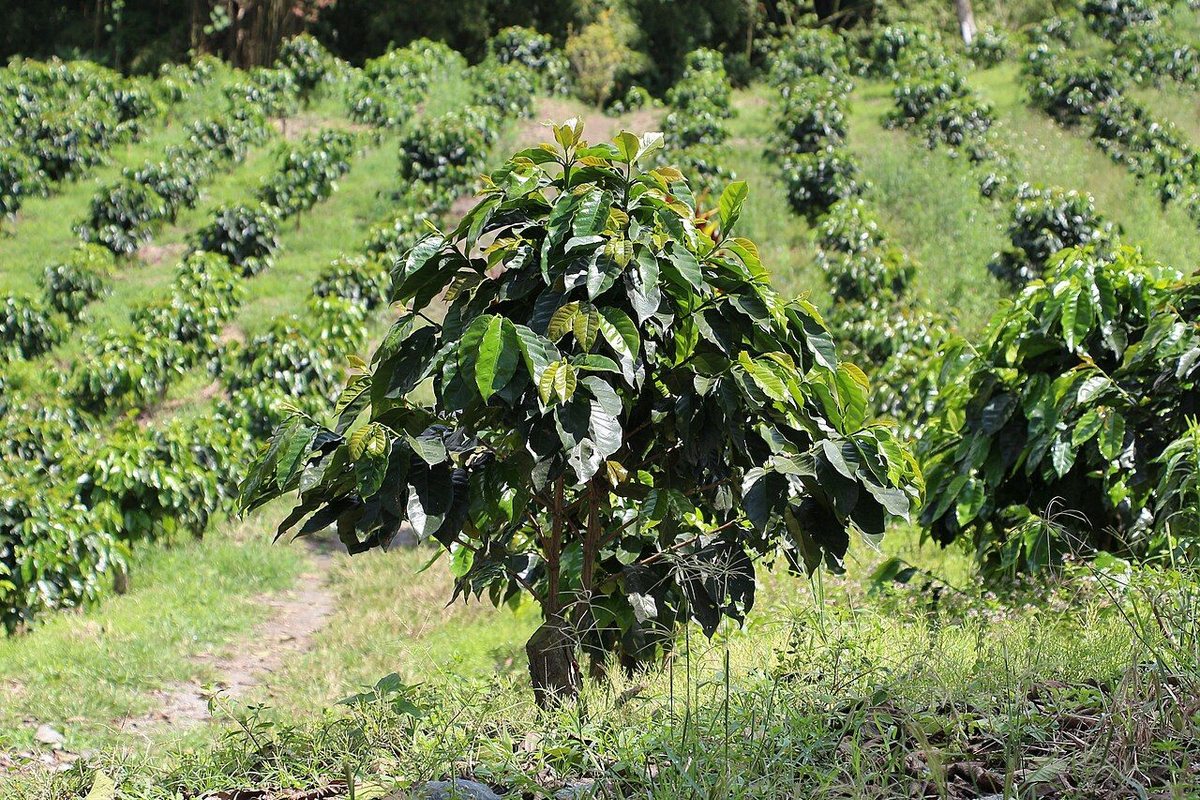
What Is an Ethiopian Landrace? {#what-is-a-landrace}
A landrace is a locally adapted plant population shaped by both natural selection and generations of low-intensity human cultivation, without the deliberate crossing and controlled trials that define modern breeding programs. In coffee, the term applies with particular force to Ethiopia, where Coffea arabica evolved in the montane forests of the southwestern highlands. These populations were not engineered — they emerged through millennia of adaptation to specific elevations, rainfall patterns, shade canopies, and soils.
The word "heirloom" is often used interchangeably with landrace in the coffee trade, though strictly speaking it signals traditional varieties maintained by farming communities rather than research institutions. In the Ethiopian context, both terms point to the same underlying reality: an enormous, mostly uncatalogued pool of genetic material that underpins the flavors the world associates with Ethiopian coffee.
Ethiopia as the Center of Arabica Diversity {#center-of-diversity}
All Coffea arabica traces back to the forests of southwestern Ethiopia and, to a lesser extent, South Sudan and Yemen. The species itself is an allotetraploid — carrying four copies of eleven chromosomes — that arose from a natural hybridization event between Coffea canephora and Coffea eugenioides deep in evolutionary history. Because the domestication bottleneck for Arabica occurred relatively recently on an evolutionary timescale, Ethiopian wild and semi-wild populations retain far more of the original genetic variation than coffee grown anywhere else on earth.
Ethiopia has been described as the world's main storehouse of genetic diversity for Arabica coffee, and this diversity is directly expressed in the chemical compounds that produce flavor. The country's complex topography — a mosaic of river valleys, high plateaus, and forested ridges spanning a wide range of altitudes — means that distinct local populations evolved in relative isolation, producing the regional flavor differences that make Ethiopian coffees so varied and so celebrated.
Regional Landraces: Kurume, Dega, Wolisho, and Wush Wush {#regional-landraces}
Within Ethiopia's coffee-growing regions, certain landrace populations have been identified and named, giving growers and researchers a way to discuss them, even if their genetic profiles remain only partially characterized.
Kurume is a compact, small-statured plant found at higher elevations. Its short internodes and dense canopy make it well-suited to intensive planting, and it is associated with bright, complex cup profiles.
Dega (sometimes transliterated Dega or Deiga) is a highland-adapted landrace. The Amharic word dega itself refers to a cool highland zone, reflecting the conditions in which this population thrives.
Wolisho is a taller, larger-leafed plant, often grown in garden and semi-forest systems in the Sidama and Gedeo zones. It tends toward later ripening and is valued for its richness in the cup.
Wush Wush is a landrace named for a district in the Kafa Zone — itself part of the original genetic heartland of the species. It has drawn significant attention from specialty roasters for its pronounced floral and tea-like qualities, characteristics that link it to the broader tradition of Ethiopian coffees celebrated for jasmine, bergamot, and stone-fruit notes.
These regional landraces are not uniform varieties in the modern cultivar sense. Each name covers a population with meaningful internal variation, which is itself part of their value and their complexity.
JARC Selections: 74110 and 74112 {#jarc-selections}
Not all named Ethiopian varieties are purely wild or farmer-selected. The Jimma Agricultural Research Center (JARC), Ethiopia's primary coffee research institution, has worked for decades to identify superior individual plants from landrace populations and release them as named selections for wider cultivation.
74110 and 74112 are two such selections, both originating from JARC's collection and evaluation work. They represent an intermediate category: plants with deep landrace roots, drawn from Ethiopia's indigenous diversity, but selected and characterized under research conditions. Farmers choosing these varieties gain something closer to predictability in plant type and yield than a raw landrace population offers, while still accessing the cup quality associated with Ethiopian genetic heritage.
Why This Diversity Matters for Flavor {#diversity-and-flavor}
The flavor complexity Ethiopian coffees regularly display — the florals, the citrus brightness, the stone fruits, the tea-like delicacy — is a direct expression of genetic diversity. Different landrace populations produce different ratios of aromatic compounds, acids, and sugars. Processing method amplifies these differences, but the foundation is in the plant's genome.
For specialty coffee, this means that a washed Yirgacheffe from a Wolisho-dominant garden and a natural Sidama from a Kurume-heavy plot can taste remarkably different from each other — and both can taste remarkably different from any coffee produced outside Ethiopia. The breadth of the landrace family is the reason Ethiopian coffee remains a reference point against which other origins are measured.
Why This Diversity Matters for the Species' Future {#diversity-and-future}
Beyond flavor, the genetic wealth locked in Ethiopian landraces is a critical resource for the long-term survival of Arabica coffee. Breeding programs around the world — working to develop varieties resistant to coffee leaf rust, coffee berry disease, and the pressures of a changing climate — depend on access to genetic traits not present in the narrow pool of varieties that spread globally from Yemen and subsequently from Bourbon and Typica lineages.
Ethiopia's landraces carry traits — in disease response, drought tolerance, adaptation to shade and altitude — that may prove essential as breeders search for solutions. Preserving this diversity in situ, in Ethiopia's remaining forests and garden systems, is therefore not only a matter of cultural heritage but of agricultural security for the entire coffee-producing world.
The Individual Varieties {#individual-varieties}
The Ethiopian Heirloom and Landrace family encompasses a wide spectrum, from populations that have never been formally described to named regional landraces and research-station selections. The individual varieties belonging to this family — including 74110, 74112, Kurume, Dega, Wolisho, Wush Wush, and the broader Ethiopian Heirloom category — are listed below this article, each with its own detailed entry covering plant characteristics, growing regions, and cup profile.
In this section
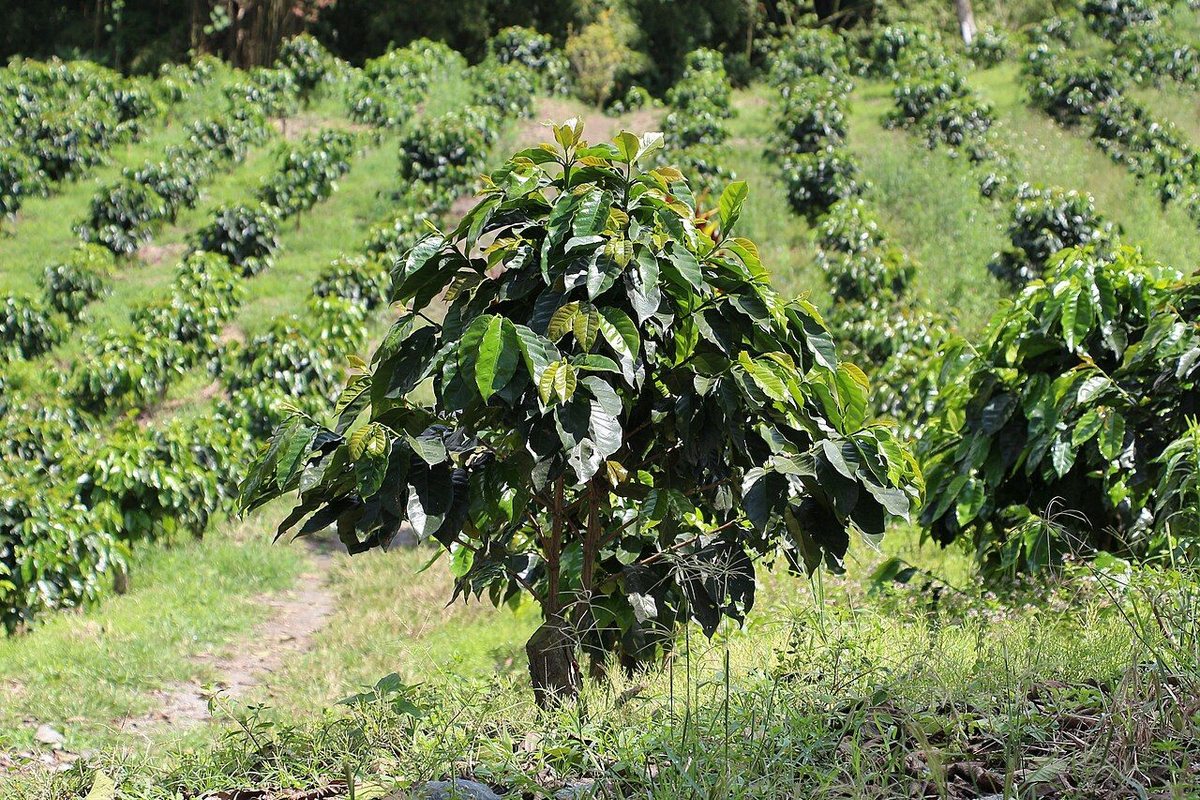
74110
Known for clean, sweet, floral and fruit-forward.. 74110 is one of a series of selections made by Ethiopia's Jimma Agricultural Research Center from material collected in the Metu-Bishari for
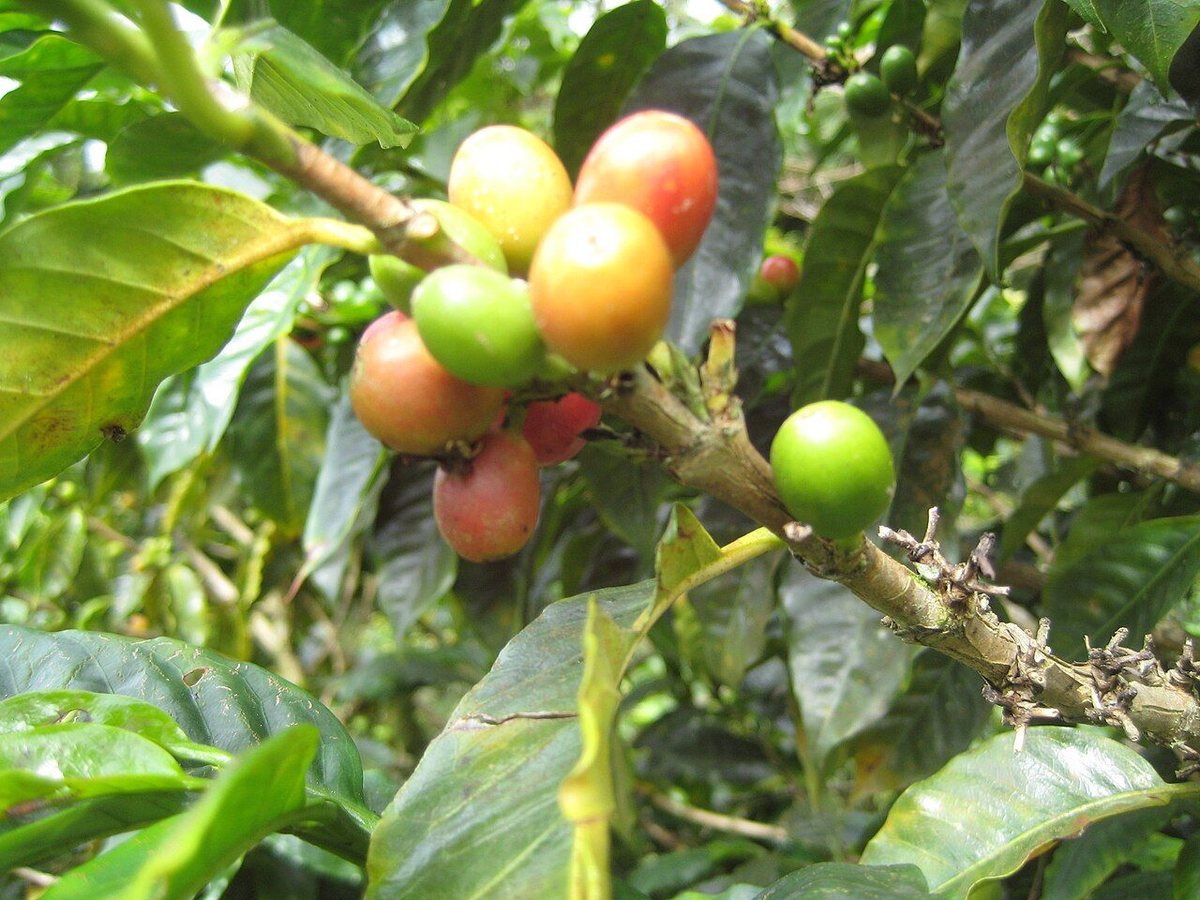
74112
Known for sweet, floral, with bright fruit.. 74112 is a sibling of 74110, selected by the Jimma Agricultural Research Center from Metu-Bishari forest material in 1974 for resistance to
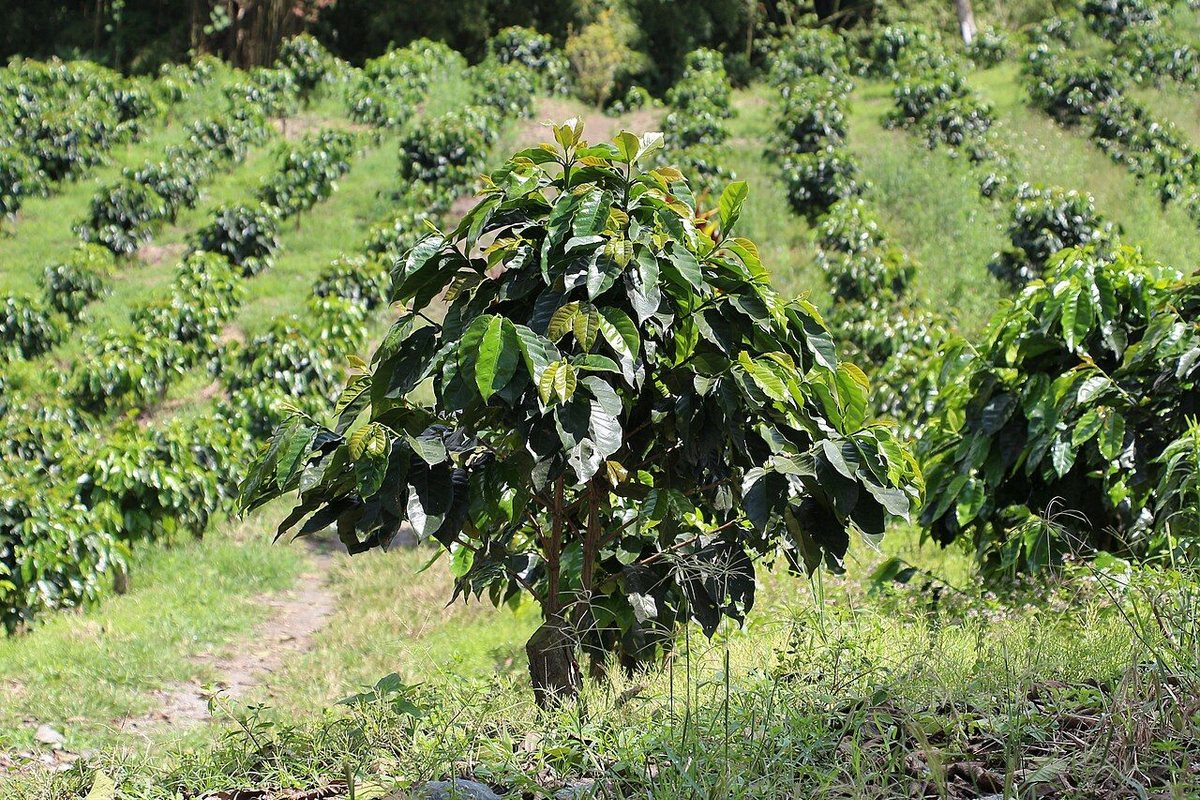
Dega
Known for balanced, sweet, floral.. Dega is a local Ethiopian landrace type named among the selections grown in the Gedeo and Sidama highlands. Like Kurume and Wolisho it is pa
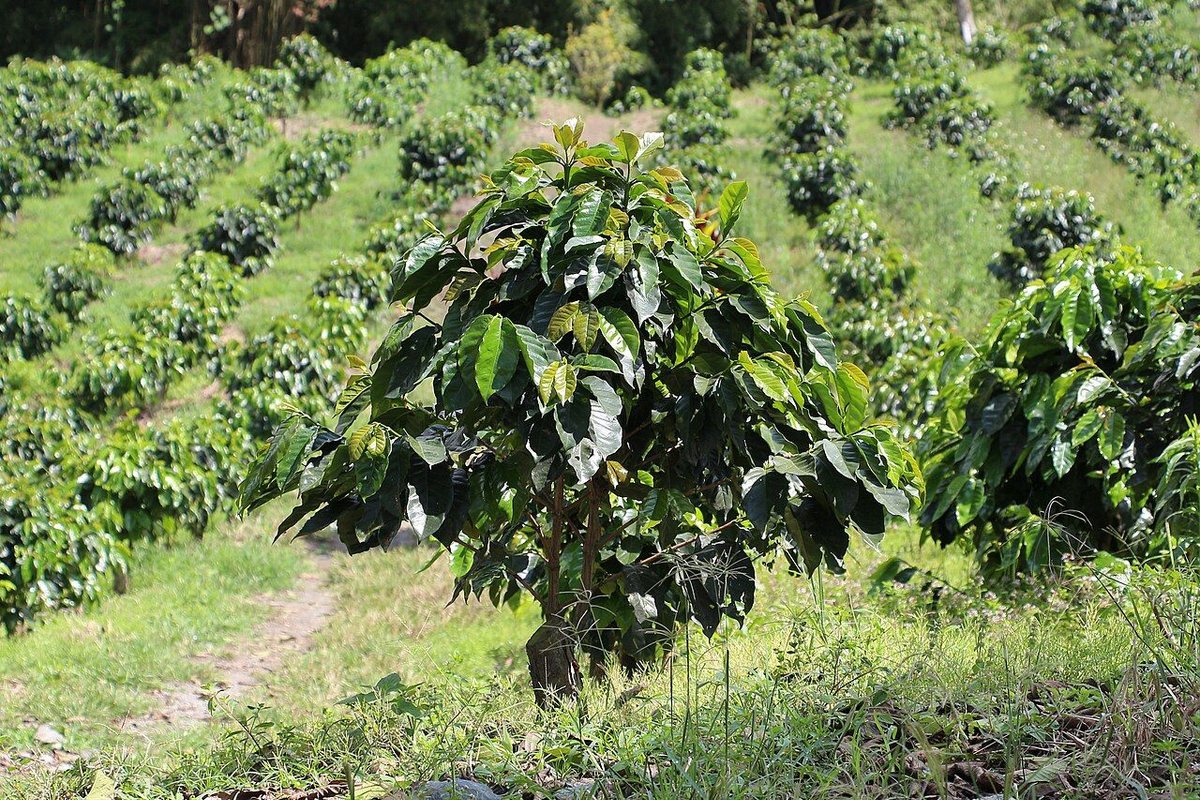
Ethiopian Heirloom (Landraces)
Known for floral, citric, tea-like; immense variation between selections.. ‘Heirloom’ is the catch-all trade term for the thousands of indigenous Arabica landraces grown in Ethiopia, the plant's centre of origin. Ra
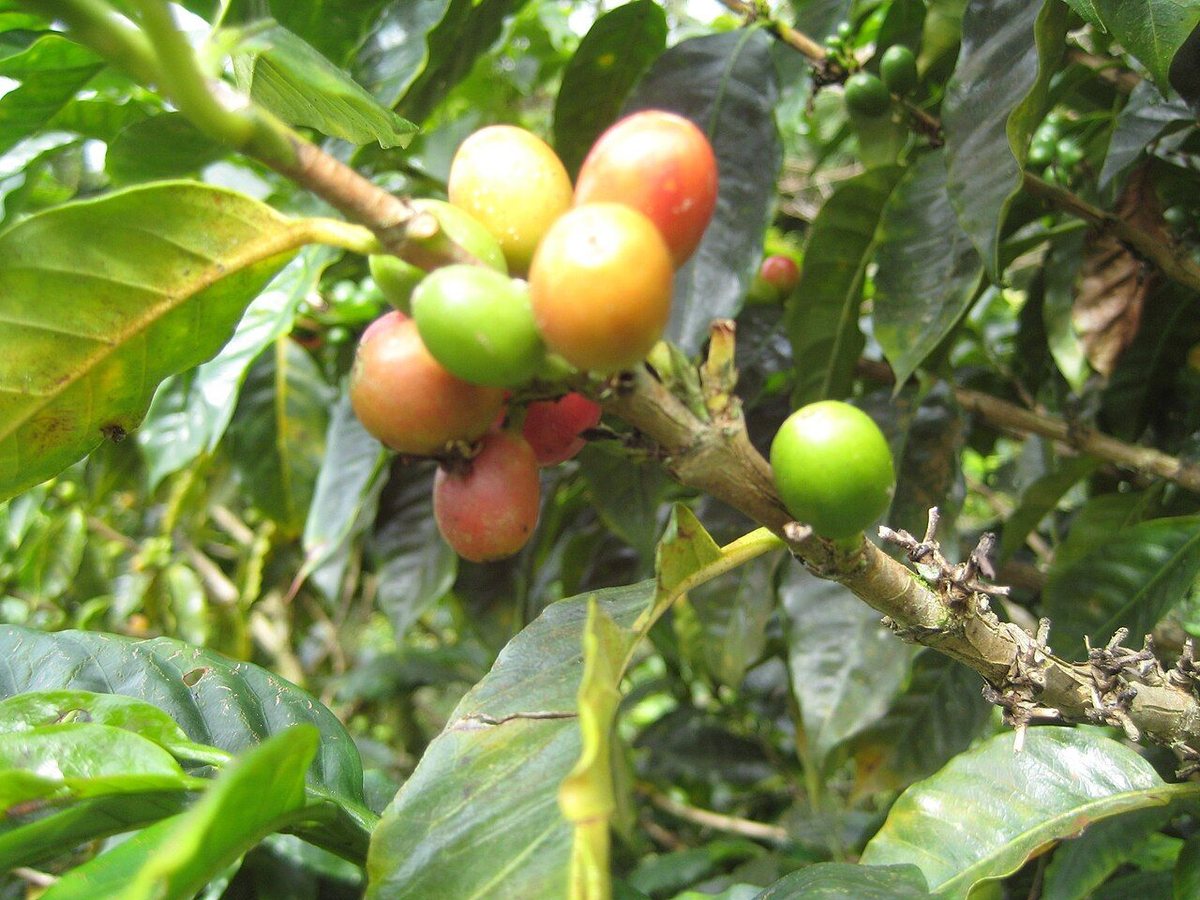
Kurume
Known for floral, citric, delicate — classic yirgacheffe character.. Kurume is a local Ethiopian landrace type, recognised by its small, round beans, commonly grown in Yirgacheffe and the wider Gedeo Zone. Inc
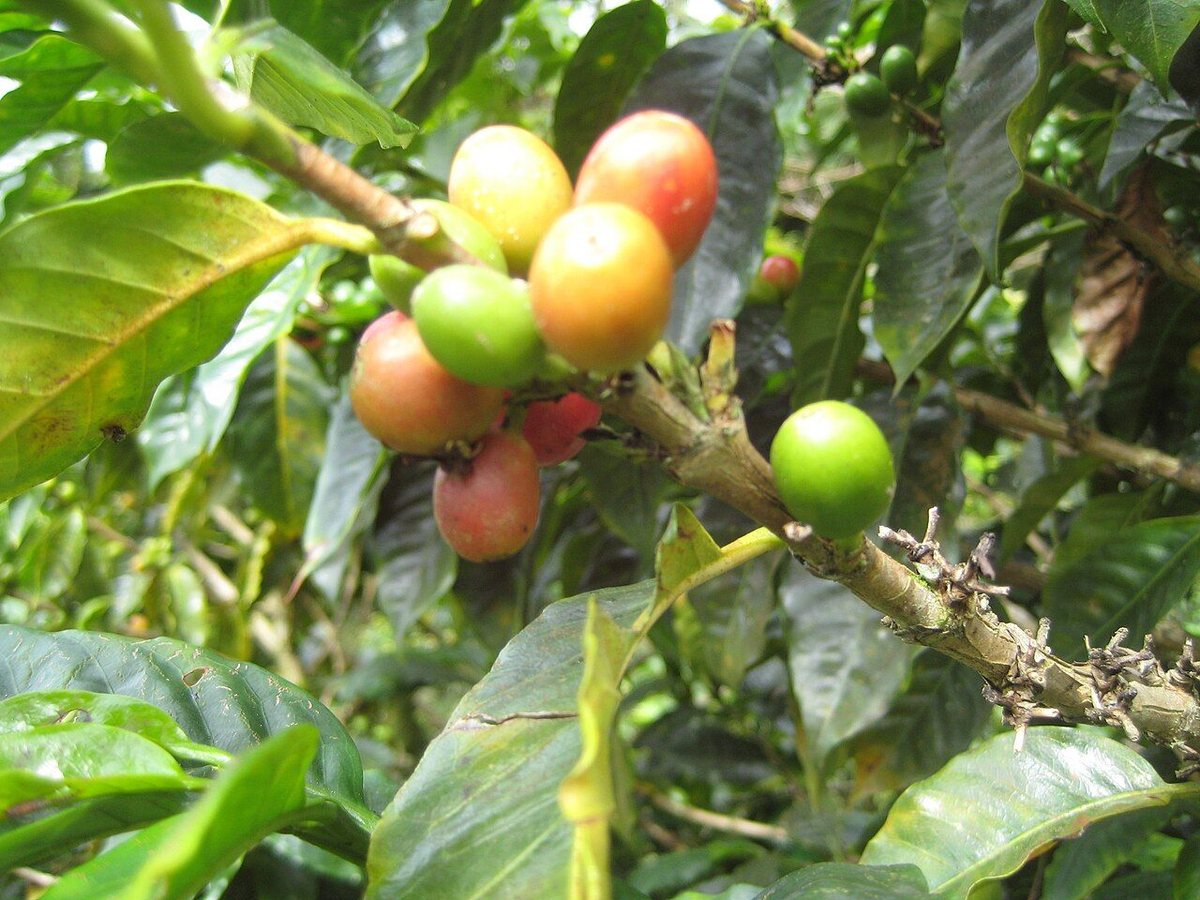
Wolisho
Known for sweet, full, with rounded fruit and florals.. Wolisho is another named Ethiopian landrace type frequently cited alongside Kurume in Yirgacheffe and Gedeo. Taller-growing with larger bean
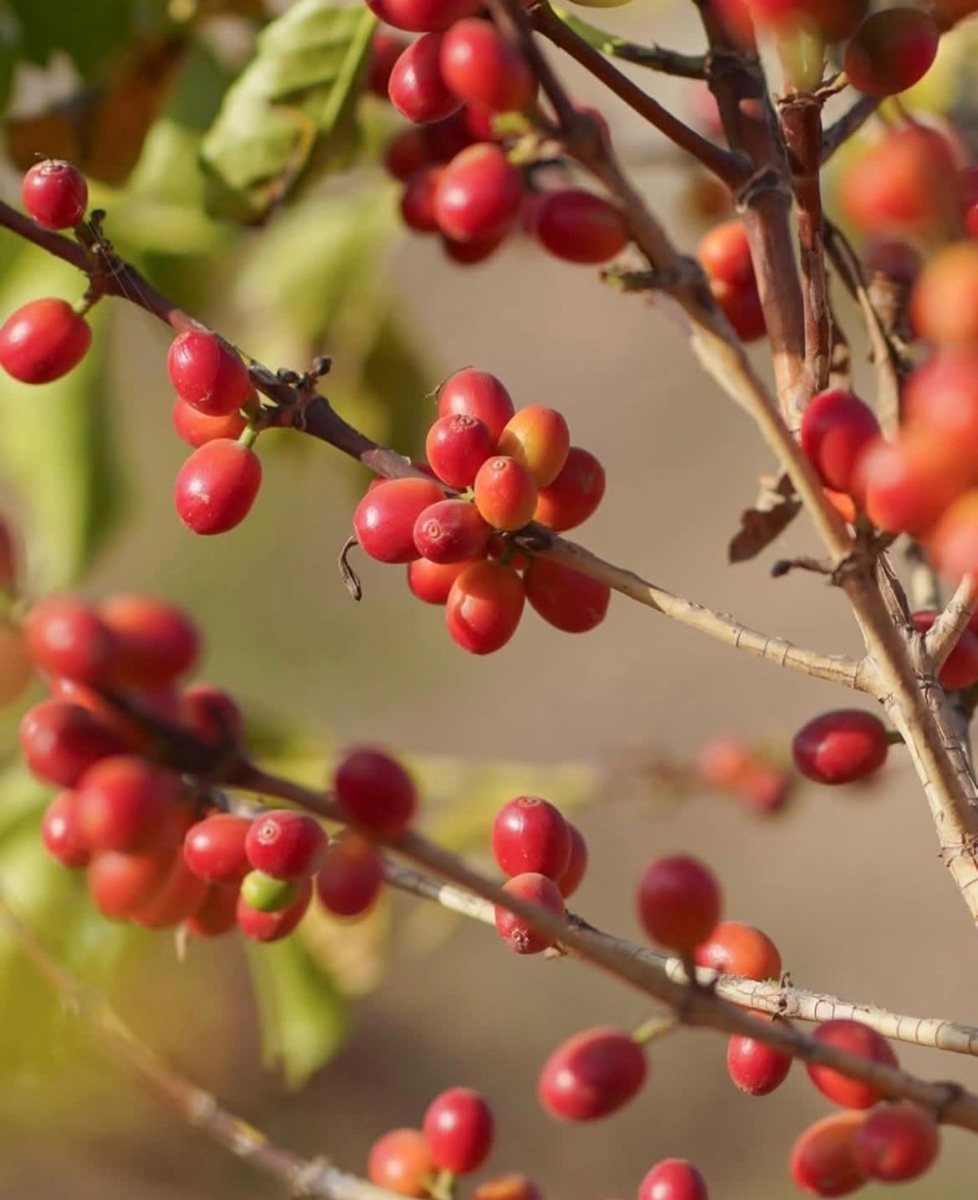
Wush Wush
Known for floral, tropical, intensely aromatic.. Wush Wush takes its name from a locality in southwestern Ethiopia and refers to an Ethiopian landrace selection that has become a specialty
Frequently asked questions
- What does 'Ethiopian Heirloom' mean on a coffee bag?
- It typically refers to coffee grown from indigenous landrace populations in Ethiopia that have not been individually named or catalogued. Because Ethiopia has thousands of distinct local coffee types, many farmers and exporters use 'Ethiopian Heirloom' as an umbrella term for these mixed traditional populations.
- Are JARC varieties like 74110 and 74112 the same as wild landraces?
- Not exactly. JARC selections originate from Ethiopia's indigenous landrace diversity but have been identified, evaluated, and released by the Jimma Agricultural Research Center. They offer more consistency than unselected landrace populations while retaining the genetic heritage and cup qualities associated with Ethiopian coffee.
- Why do Ethiopian coffees taste so different from each other?
- Ethiopia's extraordinary genetic diversity means that different landrace populations produce different flavor-active compounds. Combined with the country's varied altitudes, microclimates, and processing traditions, this genetic breadth results in a wide spectrum of cup profiles — from intensely floral and tea-like to rich, fruit-forward, and chocolatey.
- Is Wush Wush a wild variety?
- Wush Wush is a landrace named after the Wush Wush district in Ethiopia's Kafa Zone, one of the regions considered part of Arabica's original homeland. It is not a conventionally bred cultivar but rather a regionally adapted population selected and propagated by farmers over generations.
- Why does preserving Ethiopian landrace diversity matter for the future of coffee?
- Ethiopian landraces contain genetic traits — related to disease resistance, climate adaptation, and flavor — that are not present in the globally distributed cultivars derived from narrow historical bottlenecks. Breeders working to protect Arabica from threats like coffee leaf rust and climate change rely on this diversity as a source of new traits.
- What is the difference between a landrace and a modern cultivar?
- A landrace is a locally adapted population shaped by natural selection and traditional cultivation, with significant internal variation. A modern cultivar is deliberately bred and selected for specific, stable traits such as yield, disease resistance, or cup quality. Ethiopian landraces belong to the former category, though some — like the JARC selections — sit at the boundary between the two.
See also