Discover · Best Of
The Best Light-Roast Coffees of 2026
Brighter, more complex, and more transparent about origin than any other roast style — light roasts are now the benchmark of specialty coffee quality.
We may earn a commission when you buy through links on this page, at no additional cost to you.
Key facts
- Roast Style
- Light roast specialty coffee
- Key Characteristic
- Preserves origin flavors and transparency
- Flavor Profile
- Citrus brightness, stone-fruit sweetness, clean finish
- Notable Origins
- Ethiopia, Kenya, Colombia, Rwanda, Burundi
- Origin Transparency
- Reveals altitude, variety, fermentation, drying method
- Mouthfeel
- Thinner body than medium or dark roasts
Why Light Roasts Dominate Specialty Coffee Today
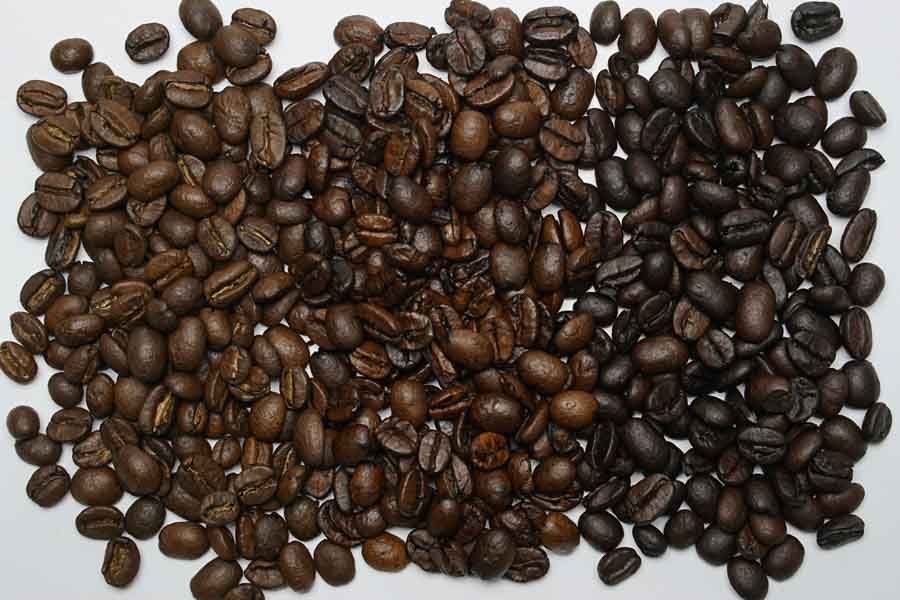
The story of roasting is really a story of transformation. As roast profiles move from light to dark, the Maillard reaction and other heat-driven chemical changes progressively replace origin-derived flavors with roast-derived ones — caramel, carbon, bittersweet chocolate. Stop early, and what remains is the coffee itself: its acidity, its terroir, the precise fingerprint of its variety and processing method.
This is why light roasting has become the language of the specialty world. The Specialty Coffee Association defines specialty-grade coffee as scoring 80 points or above on a 100-point cupping scale, with the top tier — scoring 90 to 100 — graded "Outstanding." At those quality levels, the question a skilled roaster asks is not how much character can I add? but how much of the green bean's character can I preserve? Light roasts answer that question most directly.
The academic foundation backs this up: unroasted green beans already contain high levels of acids, proteins, and sugars. Roasting doesn't create complexity so much as it unlocks and reshapes what's already there. Roast lightly, and you keep more of those origin-native acids and sugars intact — translating in the cup to citrus brightness, stone-fruit sweetness, and a clean, juicy finish that darker roasts simply cannot replicate.
Specialty coffee's third wave, which took root in North America from the 1990s onward and has since spread globally, crystallized around exactly this philosophy. By 2016, specialty coffee was already Europe's fastest-growing major restaurant category; today, light-roasted single origins sit at the center of that growth.
What to Expect in the Cup
If you're coming from medium or dark roasts, your first sip of a well-pulled light roast can be startling. Here's what's actually happening:
Acidity — Light roasts retain more of the organic acids present in green coffee. Expect brightness that reads as lemon, bergamot, malic (apple), or tartaric depending on the origin. This is a feature, not a flaw. Well-structured acidity lifts the cup and makes flavors easier to distinguish.
Clarity and sweetness — Because roast-derived bitterness is minimized, the natural sugars in the bean come forward. Ethiopian naturals often show strawberry or blueberry; Kenyan washed lots tend toward blackcurrant and tomato; Gesha varieties — more on those below — can read almost like jasmine tea.
Lower body — Light roasts typically produce a thinner mouthfeel than dark roasts. This is partly why brew method matters so much (see below). It's not a flaw; think of it as the difference between a mineral-driven white wine and a heavy red.
Origin transparency — This is the headline benefit. Altitude, microclimate, variety, fermentation, and drying method all leave legible traces in a light roast that darker development would erase. As the SCA notes, specialty coffee "can vary noticeably from harvest to harvest, reflecting the environmental conditions of each year" — and light roasting is the medium that makes that variation audible.
For a deeper dive into how to read what's in your cup, our Tasting Descriptors guide covers the full SCA flavor wheel in plain language.
The Roasters Defining Light-Roast Culture
A handful of roasters have shaped how the world understands light, transparent coffee. Three of them are available in our shop today.
Tim Wendelboe
Tim WendelboeShop ↗ is arguably the single most influential figure in Scandinavian light-roast culture — a style now acknowledged globally as the template for high-clarity, low-intervention roasting. Based in Oslo, Wendelboe has built his reputation on sourcing directly from farms in Ethiopia, Colombia, and Rwanda and roasting with a restraint that keeps the green coffee's character front and center. His approach is grounded in the idea that exceptional green coffee needs very little from the roaster beyond careful development. If you're new to Scandinavian-style light roasts, his offerings are a reliable benchmark.
La Cabra
La CabraShop ↗, founded in Aarhus, Denmark, has become one of the most recognizable names in European specialty for its commitment to what their team describes as "coffee as a sensory experience" — minimal roast intervention, elegant packaging, and a sourcing program that spans Ethiopia, Kenya, Colombia, and Burundi. La Cabra's roast style sits at the lighter end of even the specialty spectrum; their coffees routinely show complex floral and citrus notes that reward slow, attentive brewing. They are a strong choice for anyone building a mental library of what light roasting can achieve.
Sey Coffee
Sey CoffeeShop ↗ out of Brooklyn, New York, has established itself as the American counterpart to the Scandinavian style — rigorously sourced, lightly roasted, and priced to reflect the actual cost of traceable, high-quality green coffee. Sey works closely with producers and communicates processing and variety information with unusual transparency. Their lots tend to be small and seasonal, which means availability shifts, but when their Ethiopian or Guatemalan offerings are in rotation they represent some of the clearest examples of origin-driven flavor available domestically.
Heart Coffee Roasters
Heart Coffee RoastersShop ↗, based in Portland, Oregon, brings a West Coast sensibility to the light-roast conversation — precise, seasonally focused, and consistently approachable without sacrificing depth. Heart has long been associated with the Portland specialty scene that helped define third-wave coffee culture in the United States. Their single-origin offerings are a practical entry point for drinkers transitioning from medium roasts, since Heart tends to develop their light roasts just enough to round acidity without obscuring it.
Featured Bean: Arturo Paz Itacayo Gesha
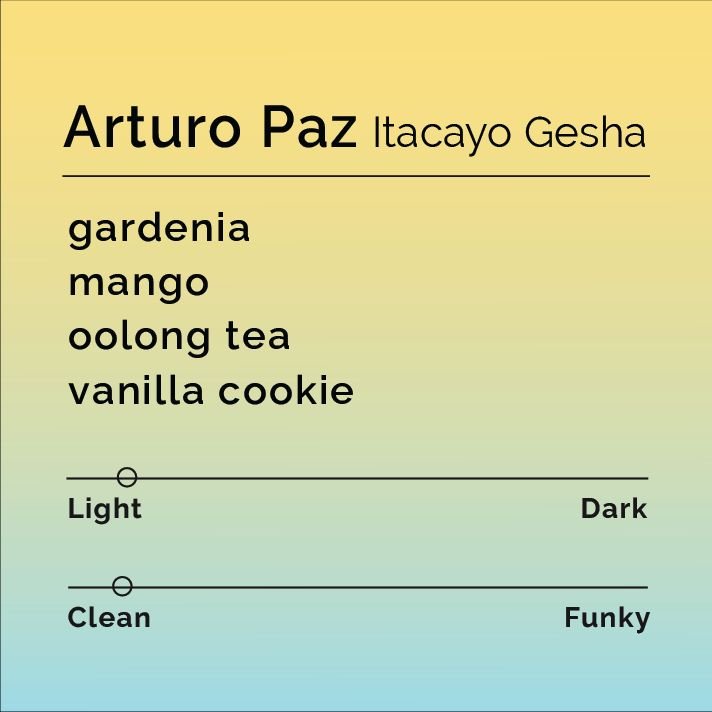
If a single coffee captures the ambition of light-roast specialty in 2026, it's the Arturo Paz Itacayo Gesha from Black & White Coffee RoastersBuy ↗. Gesha (sometimes written Geisha) is the variety that arguably did more than any other to establish the ceiling of what specialty coffee could taste like — a Panama Geisha lot famously became, as of August 2025, the most expensive specialty coffee lot ever sold, at over US$13,700 per pound. The Arturo Paz lot is not priced at those auction extremes, but it shares the variety's defining characteristics: an extraordinarily delicate body, jasmine and bergamot aromatics, and a clarity that makes every other variable in the cup legible.
Black & White Coffee Roasters, based in Charlotte, North Carolina, have built a reputation for sourcing exceptional competition-grade lots and roasting them with the light touch those coffees demand. The Itacayo Gesha is an ideal choice for a special-occasion brew — pour-over or Chemex, with precise water temperature and a careful grind, will reward you with a cup that is genuinely unlike anything a dark or medium roast can offer.
Who it's for: Experienced light-roast drinkers, gift buyers, anyone who wants to understand what the Gesha variety actually tastes like. Not recommended as a daily driver given the price point, and espresso preparation will mute the floral aromatics that make it distinctive.
A Honest Note on Our Current Selection
We want to be straightforward: our in-stock light-roast catalogue is small but actively growing. Right now, our strength is in the roasters above — Tim Wendelboe, La Cabra, Sey Coffee, and Heart Coffee Roasters — plus standout single lots like the Arturo Paz Itacayo Gesha. We are not yet able to match the breadth of a dedicated specialty importer, and we'll tell you clearly when offerings are seasonal or limited.
That transparency matters in this category especially. Light roasts are harvest-dependent by nature — a coffee that scored 91 points one year may not be available identically the next, because, as the SCA puts it, specialty coffee "can vary noticeably from harvest to harvest." We'll update this page as new lots arrive.
How to Brew Light Roasts Well
Light roasts are less forgiving of brewing shortcuts than darker roasts, but the payoff for getting it right is proportionally higher. A few principles:
Grind fresh, grind finer than you think. Light roasts are denser than dark roasts because less cellular structure has been broken down during roasting. Most grinders will need to be set finer than their medium-roast baseline. A quality burr grinder matters more here than anywhere else in the brewing process.
Water temperature: 93–96°C (200–205°F). Light roasts generally benefit from hotter water than darker roasts, which need high extraction temperatures to fully dissolve their more compact cell structure. Many home brewers inadvertently underextract light roasts by brewing too cool.
Pour-over and filter methods first. The clarity and delicacy of light-roast flavors are best expressed through filter brewing — V60, Chemex, Kalita Wave, and similar methods let acidity and aromatics sing. Espresso is possible but demands careful dialing and tends to compress the flavor range that makes these coffees worth the premium.
Bloom properly. Light-roast beans off-gas CO₂ for weeks after roasting. Use a proper 30–45 second bloom with twice the coffee weight in water before continuing your pour. This prevents channeling and ensures even extraction.
Rest your coffee. Counterintuitively, many light-roast single origins — especially naturals — taste better 10–21 days off roast than at peak freshness. The initial CO₂ surge can mask sweetness. Check the roast date and, if possible, give it time.
For a full brew-method comparison mapped to roast levels, our roast profiles guide is the reference to bookmark.
Quick-Reference: Our Light-Roast Picks at a Glance
| Roaster / Bean | Style | Best For |
|---|---|---|
| Tim Wendelboe | Scandinavian, high-clarity | Benchmark filter brewing |
| La Cabra | Danish, floral and citrus-forward | Sensory exploration, gifts |
| Sey Coffee | NYC, traceable, seasonal | Origin geeks, ethical sourcing focus |
| Heart Coffee Roasters | Portland, approachable light | Transitioning from medium roast |
| Arturo Paz Itacayo Gesha | Competition-grade Gesha | Special occasion, variety education |
Coffees demonstrating this
From our catalog of in-stock beans.
Roasters featured
Frequently asked questions
- Why do light roasts taste sour or acidic?
- Light roasts retain more of the organic acids naturally present in green coffee — compounds that darker roasting breaks down. Perceived sourness can also indicate underextraction: try brewing hotter (93–96°C), grinding slightly finer, or extending your brew time. Well-extracted light roasts taste bright and juicy rather than harshly sour.
- Do light roasts have more caffeine than dark roasts?
- By bean count, light and dark roasts contain similar caffeine levels — unroasted beans already carry most of the caffeine they will ever have, and roasting does not significantly destroy it. By weight, light roasts are denser, so a scoop of light-roast beans may yield slightly more caffeine than the same scoop of darker, less-dense beans. The difference is modest in practice.
- What grinder do I need for light-roast coffee?
- A quality burr grinder — flat or conical — is strongly recommended. Light roasts are dense and require a finer, more consistent grind than darker roasts to extract fully. Blade grinders produce uneven particle sizes that lead to mixed extraction and muddy flavors, which is especially noticeable with light roasts where clarity is the goal.
- Are light roasts better for pour-over or espresso?
- Pour-over and filter methods (V60, Chemex, Kalita Wave) are generally the best match for light roasts because they preserve acidity, delicate aromatics, and clarity. Espresso is achievable but typically requires longer extraction times, finer grind adjustments, and higher temperatures than with darker roasts — and it will compress the flavor range somewhat. For Gesha or other premium lots, filter brewing is the better investment.
- How fresh does a light-roast coffee need to be?
- Many light-roast single origins, especially natural-processed coffees, taste best between 10 and 21 days after roasting rather than immediately. Early off-gassing of CO₂ can suppress sweetness and clarity. After about 4–6 weeks, most light roasts begin to flatten noticeably. Check the roast date before buying and plan your consumption window accordingly.
- Is the Arturo Paz Itacayo Gesha worth the price?
- The Gesha variety is objectively one of the most distinct and traceable coffee varieties available — it has set world auction records, with a Panama Geisha lot reaching over US$13,700 per pound as of August 2025. The Arturo Paz Itacayo Gesha from Black & White Coffee Roasters is not at auction-tier pricing, but it is a premium product. It is best approached as a special-occasion or educational purchase rather than a daily driver, and it rewards careful filter brewing far more than espresso.
See also