Knowledge · plant
The Bourbon Family
From a volcanic island mutation to the cultivars that define Latin American specialty coffee
Key facts
- Origin
- Réunion Island in the Indian Ocean
- Parent Cultivar
- Arabica from Yemen and Ethiopia
- Key Advantage
- 20-30% higher yield than Typica
- Cup Profile
- Sweet with clean acidity and fruit notes
- Notable Mutations
- Caturra, Mundo Novo, Catuaí, SL28, SL34
- Primary Region
- Latin America and East Africa
Origins on Réunion Island
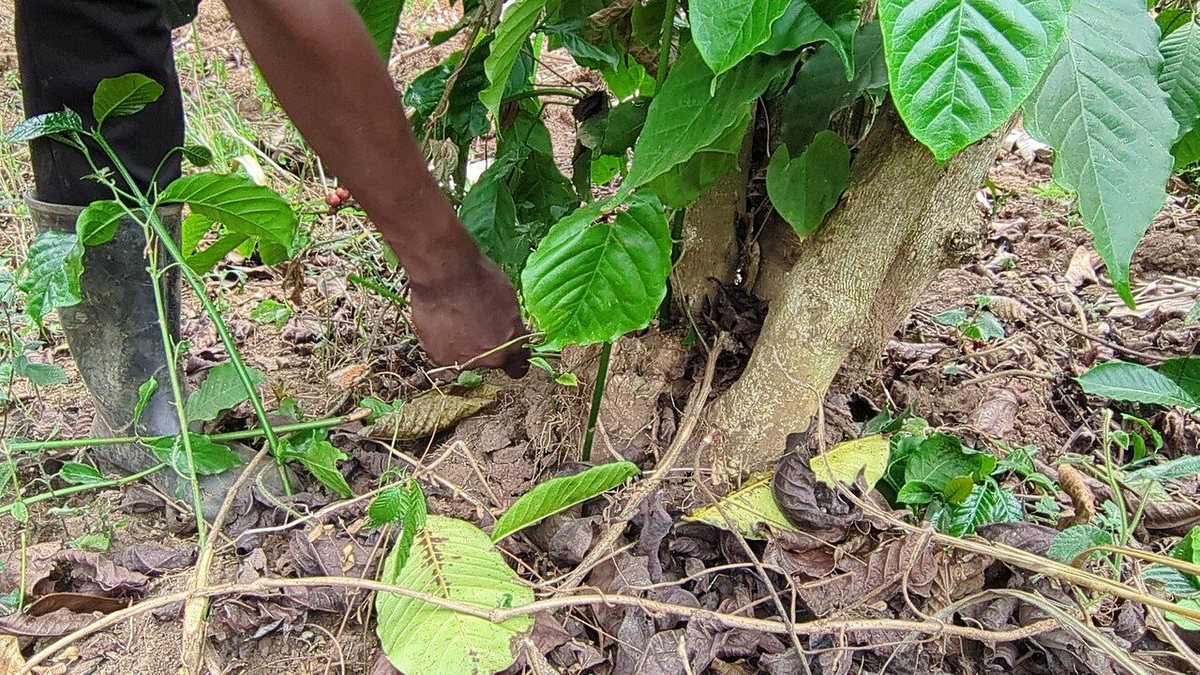
All roads in the Bourbon family lead to a small volcanic island in the Indian Ocean then known as Île Bourbon — today called Réunion. Arabica coffee had arrived in Yemen from its native Ethiopian highlands centuries earlier, and from Yemen it traveled to Europe and then to the wider colonial world. The French introduced Arabica plants to Réunion, where, over generations of cultivation in isolation, the population diverged from the original Typica stock. This divergence produced what we now call Bourbon: a distinct cultivar with rounder cherries, slightly broader leaves, and a notably different cup character. Bourbon was not bred in a laboratory; it emerged as a natural mutation and was then selected and propagated by farmers who recognized its value.
The key agronomic advantage that made Bourbon worth spreading was yield. Bourbon produces meaningfully more fruit than Typica under comparable conditions, a difference estimated by researchers at World Coffee Research at roughly 20–30%. That productivity edge, combined with a cup profile celebrated for its sweetness, clean acidity, and complex fruit notes, made Bourbon attractive to farmers and traders alike. From Réunion, French missionaries and traders carried Bourbon plants to East Africa and, crucially, to Latin America, where it would find the high-altitude volcanic soils that suited it best.
A Cascade of Natural Mutations
What makes the Bourbon family so consequential is not just the original cultivar but the extraordinary number of important varieties it subsequently generated. Because Arabica is a largely self-pollinating tetraploid species with relatively low genetic diversity, spontaneous mutations that offer an agronomic or quality advantage tend to be noticed quickly by observant farmers. Bourbon has been unusually prolific in producing such mutations.
The most significant early mutation was Caturra, discovered in Brazil in the early twentieth century. A single-gene mutation gave Caturra a compact, dwarf stature — a trait called bourbon nanus — that allowed farmers to plant trees much more densely and harvest more easily. Caturra spread rapidly through Central America and became the backbone of Colombian and Central American production for decades. It is not quite as sweet as its Bourbon parent in the cup, but it is highly productive and adapts well to a range of altitudes.
From crosses involving Bourbon and its descendants came further important cultivars. Mundo Novo, a natural hybrid of Bourbon and Sumatra Typica found in Brazil, combines the vigor of both lineages and became a dominant variety in Brazilian production. Catuaí, developed through deliberate crossing of Mundo Novo and Caturra, brought together dwarf stature and high productivity, and remains one of the most widely planted varieties in Latin America today. Pacas, a natural mutation of Bourbon discovered in El Salvador, closely resembles Caturra in its compact growth habit. Villa Sarchi, another compact Bourbon mutation, emerged in Costa Rica. Tekisic, a Bourbon selection refined in El Salvador over many generations, is considered one of the purest and most refined expressions of Bourbon flavor.
The SL Selections and East African Connections
The Bourbon story extends beyond Latin America into East Africa, where the Scott Agricultural Laboratories in Kenya conducted selection work in the mid-twentieth century. SL28 and SL34, the two most celebrated outputs of that program, are both believed to trace significant Bourbon heritage, with SL34 having particularly close Bourbon lineage. These varieties became the foundation of Kenya's celebrated coffee quality — the blackcurrant and tomato acidity, the full body, the remarkable complexity — and they remain among the most sought-after cultivars in specialty coffee globally.
Mibirizi and Jackson are Bourbon-derived selections that became important in the Great Lakes region of Africa, particularly in Rwanda, Burundi, and the Democratic Republic of Congo, where they underpin the fruit-forward, structured coffees that have brought those origins increasing recognition.
Pacamara, Maracaturra, and Hybrid Expressions
The Bourbon lineage also contributed genetic material to some of the most dramatic hybrid varieties in specialty coffee. Pacamara, developed in El Salvador by crossing Pacas (a Bourbon mutation) with the large-seeded Maragogipe (a Typica mutation), produces exceptionally large beans and a complex, often intensely floral and fruit-driven cup. Maracaturra, combining Maragogipe with Caturra, follows a similar logic and appears primarily in Nicaragua. These hybrids sit at the intersection of the two great Arabica family trees.
Yellow Bourbon, Pink Bourbon, and Modern Selections
Color mutations within Bourbon have also attracted attention. Yellow Bourbon, in which ripe cherries turn yellow rather than red, emerged in Brazil and is now planted deliberately for its perceived sweetness and the visual signal it gives to harvesters about ripeness. Pink Bourbon, whose cherries ripen to a range of pink and orange hues, has become a darling of specialty roasters, associated with floral complexity and delicate fruit notes, though its precise genetic identity is still being investigated. Laurina, also known as Bourbon Pointu, is a low-caffeine mutation with a pointed cherry that was historically grown on Réunion and is now experiencing a revival among specialty producers.
Acaiá is a large-beaned Bourbon-derived selection from Brazil suited to lower-altitude mechanical harvesting, while Villalobos is a Bourbon-related selection found in Costa Rica.
Why Bourbon Dominates Latin American Specialty Coffee
The Bourbon family's dominance in Latin American specialty coffee rests on a convergence of history, agronomy, and sensory quality. Bourbon arrived in Latin America at precisely the moment when coffee was becoming a major export crop, and its productivity advantage over Typica made it the natural choice for expanding farms. Its descendants — Caturra, Catuaí, Mundo Novo, Pacas — were adapted through both natural mutation and deliberate selection to local conditions across an enormous range of altitudes and climates, from sea-level Brazilian cerrado to the high slopes of Guatemalan and Colombian mountains.
Equally important is the cup quality. Bourbon and its close descendants are consistently associated with sweetness, balanced acidity, and a cleanness of flavor that suits the washed and honey processing methods prevalent across the region. Specialty buyers have learned to seek Bourbon-derived varieties as a reliable signal of quality potential, and producers have responded by preserving and refining them. The result is a family of varieties that shapes the flavor identity of Latin American specialty coffee more than any other single lineage.
The individual varieties belonging to the Bourbon family — each with its own agronomic profile, geographic range, and cup character — are listed below this article.
In this section
Acaiá
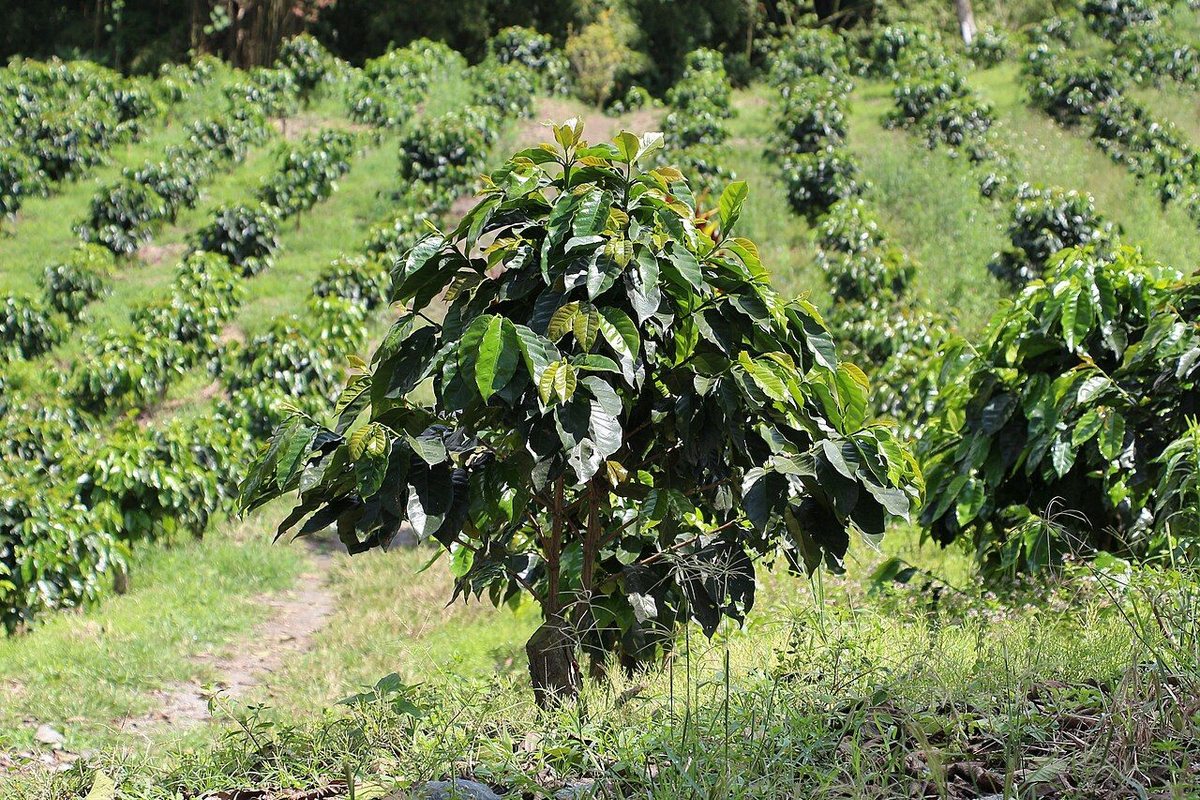
Known for sweet, full-bodied, low-acid, nutty.. Acaiá is a Mundo Novo selection made by Brazil's IAC, chosen for large beans and vigour. Tall and productive like its parent, it delivers th
Bourbon
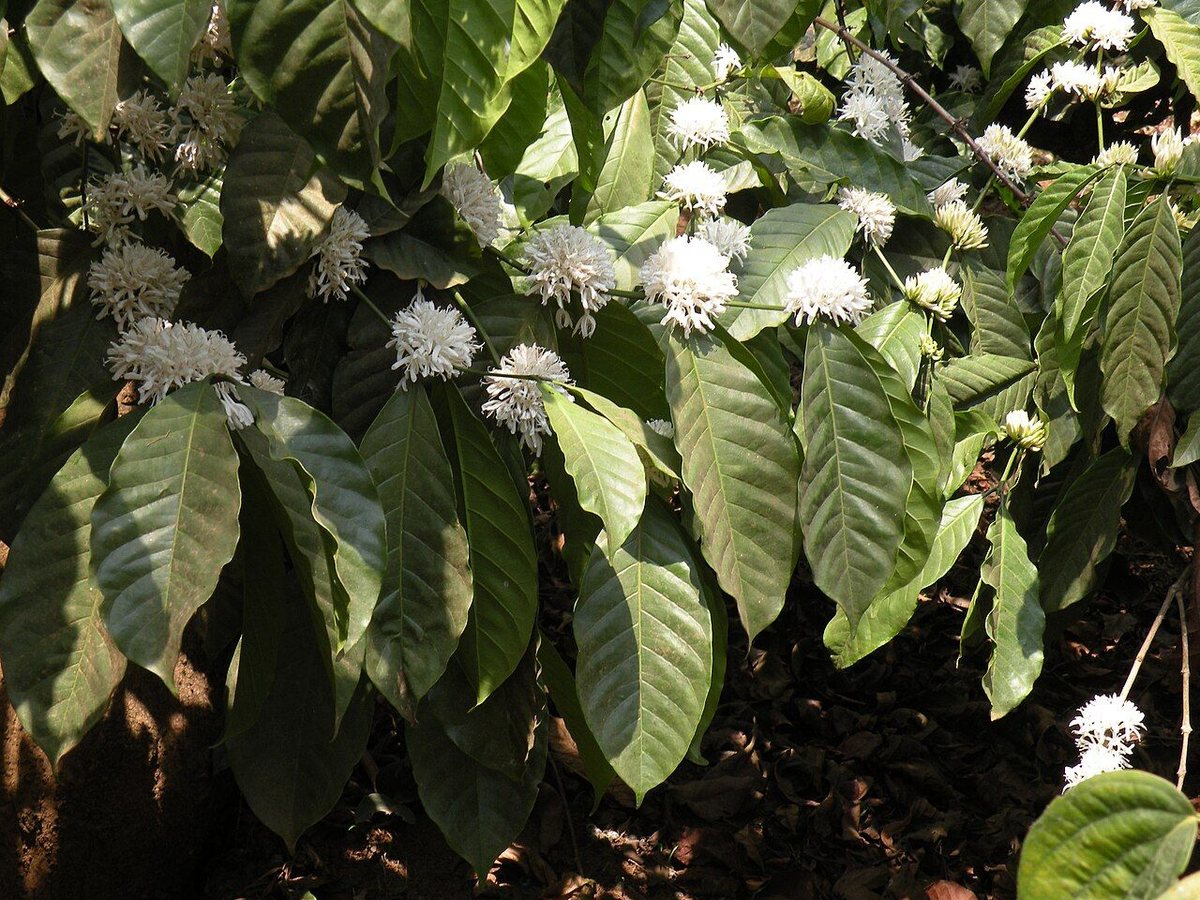
Known for sweet, complex, with caramel and red-fruit acidity.. Bourbon is the second foundational Arabica lineage, named for the island of Bourbon (now Réunion) where French missionaries cultivated Yemen
Catuaí
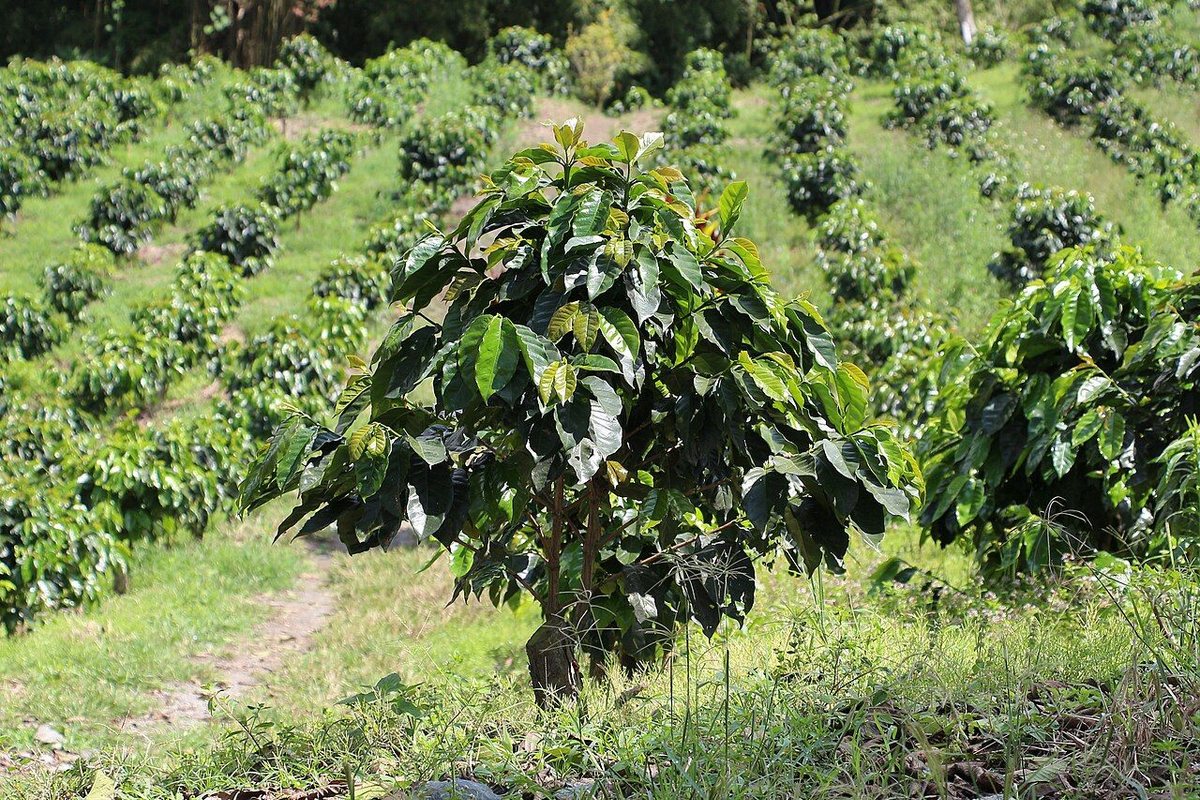
Known for sweet, balanced, mild acidity.. Catuaí is a compact, high-yielding cross of Mundo Novo and Caturra bred by Brazil's IAC beginning in 1949 and released for cultivation in th
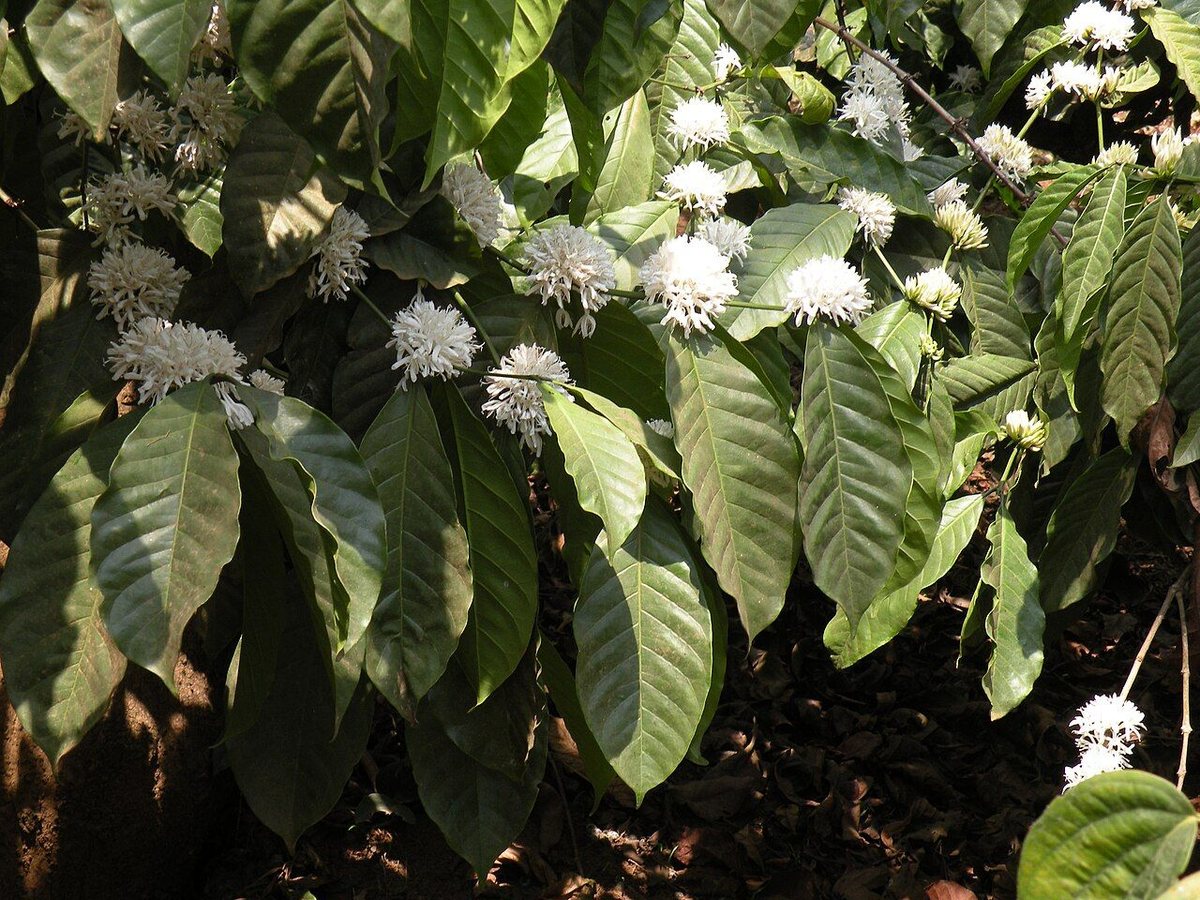
Caturra
Known for bright, citric, clean with medium body.. Caturra is a natural dwarf mutation of Bourbon discovered in Brazil between 1915 and 1918 and selected through the 1930s by the Instituto Ag
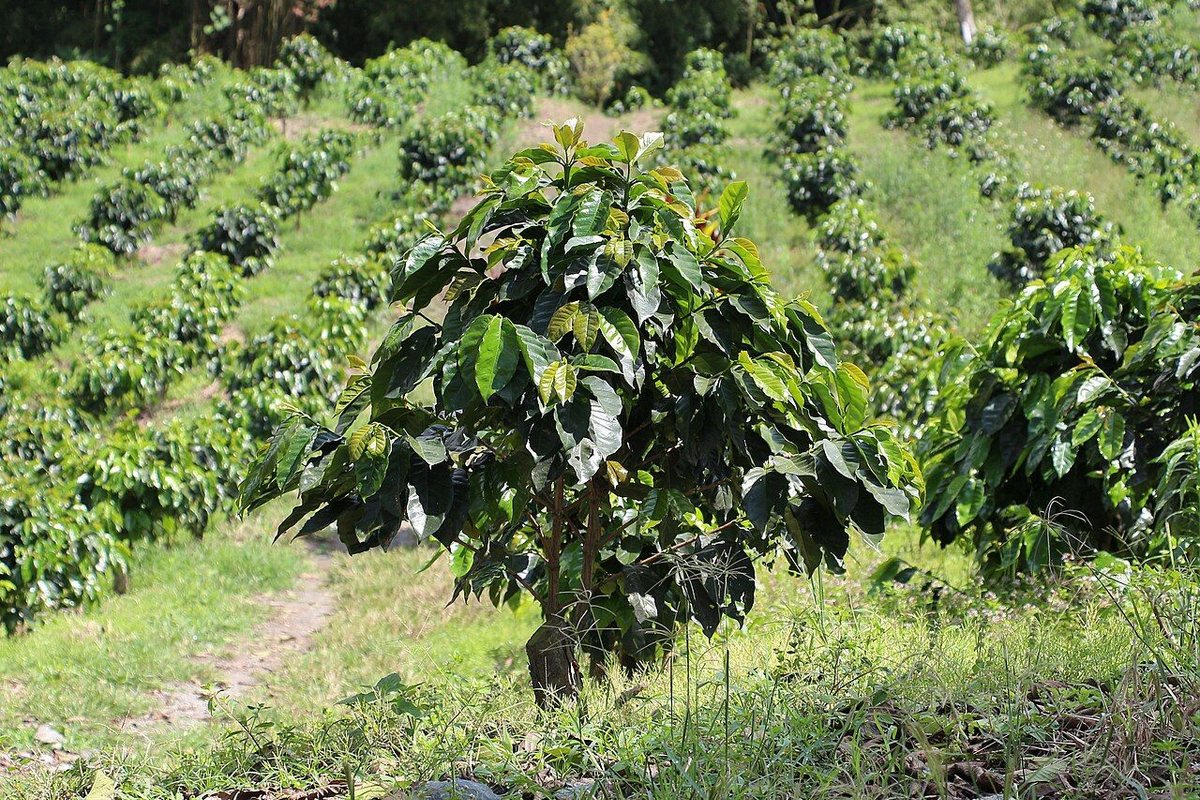
Jackson
Known for juicy, sweet, floral and citric.. Jackson is a Bourbon-derived selection central to the coffee of Rwanda and Burundi, propagated through East African research efforts from th
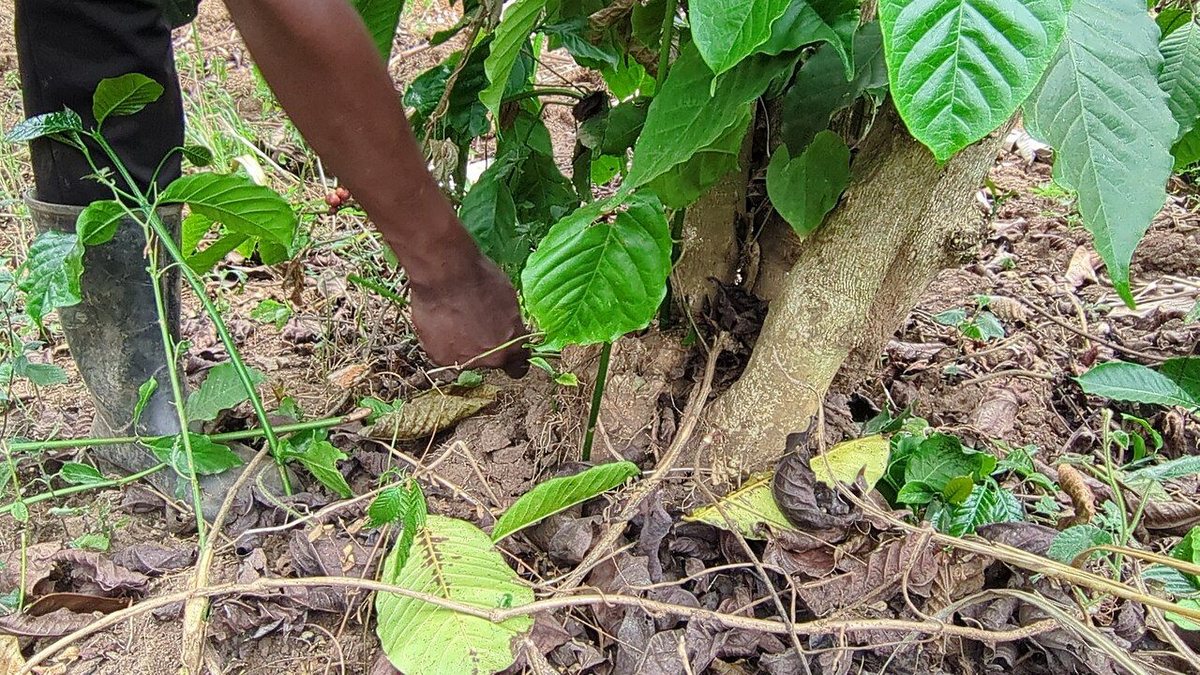
Laurina (Bourbon Pointu)
Known for delicate, sweet, low-acid; naturally low caffeine.. Laurina, also called Bourbon Pointu, is a natural mutation of Bourbon from the island of Réunion, recognisable by its conical tree shape and
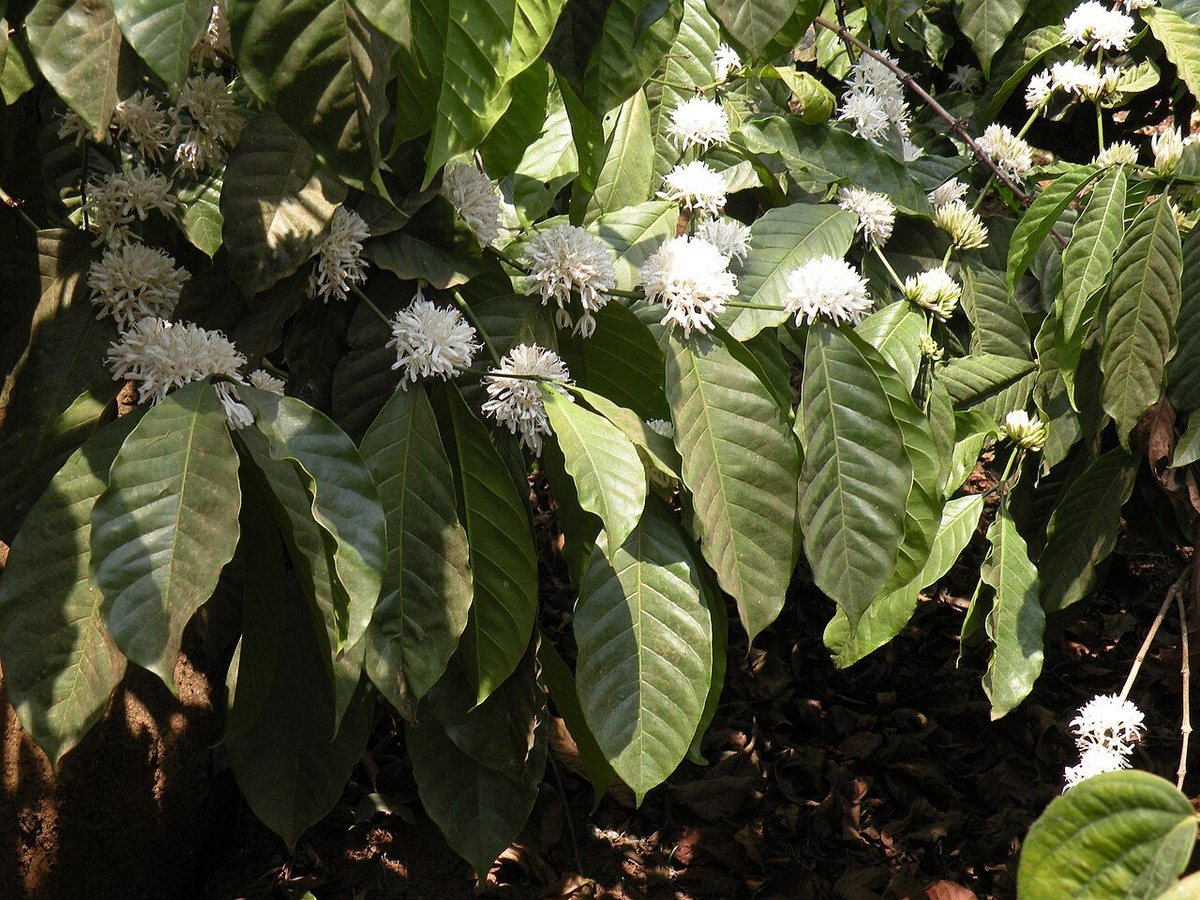
Maracaturra
Known for big-bodied, sweet, complex; large beans.. Maracaturra is a cross of the giant-beaned Maragogipe and the compact Caturra, developed in Nicaragua. Like its cousin Pacamara it yields ve
Mibirizi
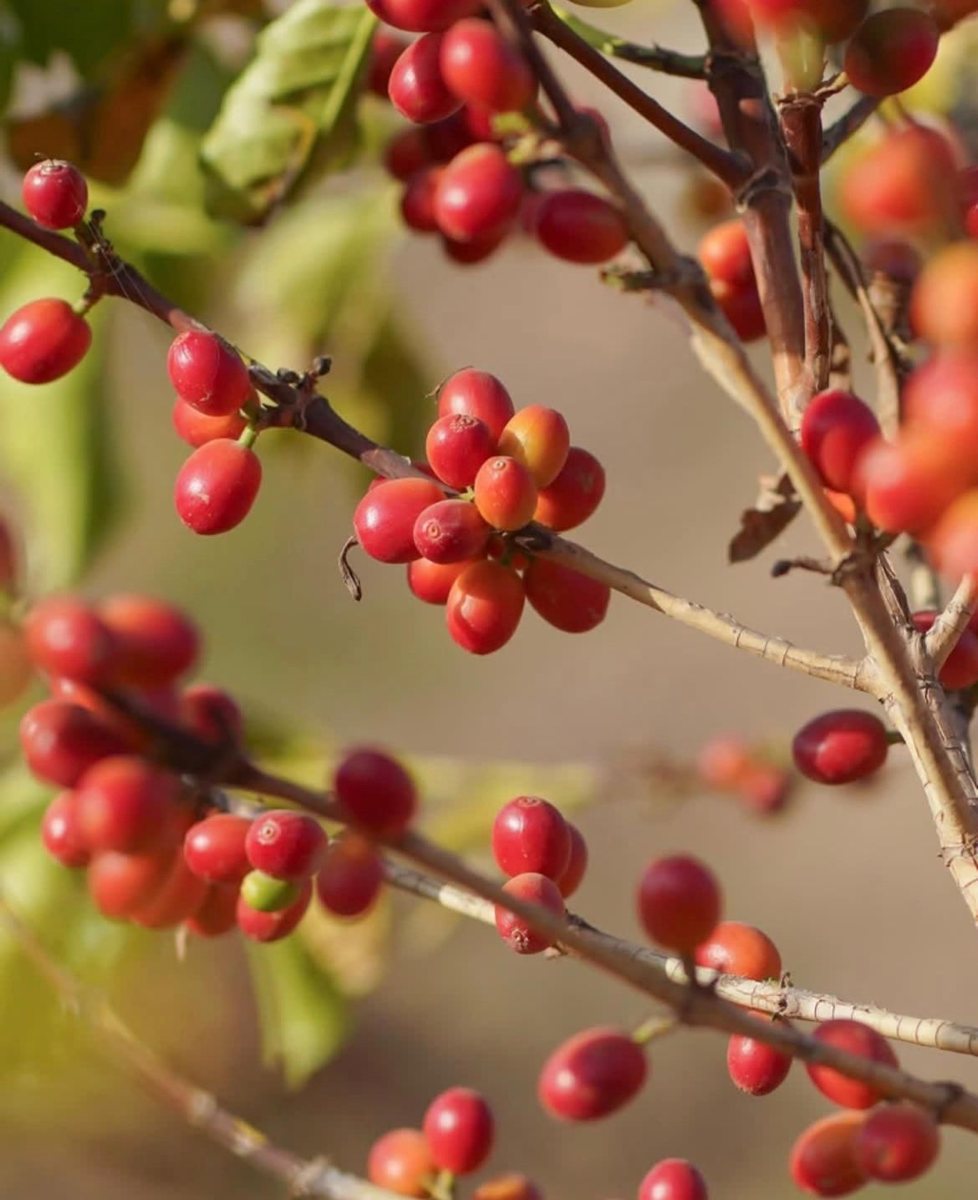
Known for sweet, clean, citric — classic east african bourbon.. Mibirizi is a Bourbon selection named for a Rwandan locality where it was propagated from the 1930s, and it became one of the foundational v
Mundo Novo
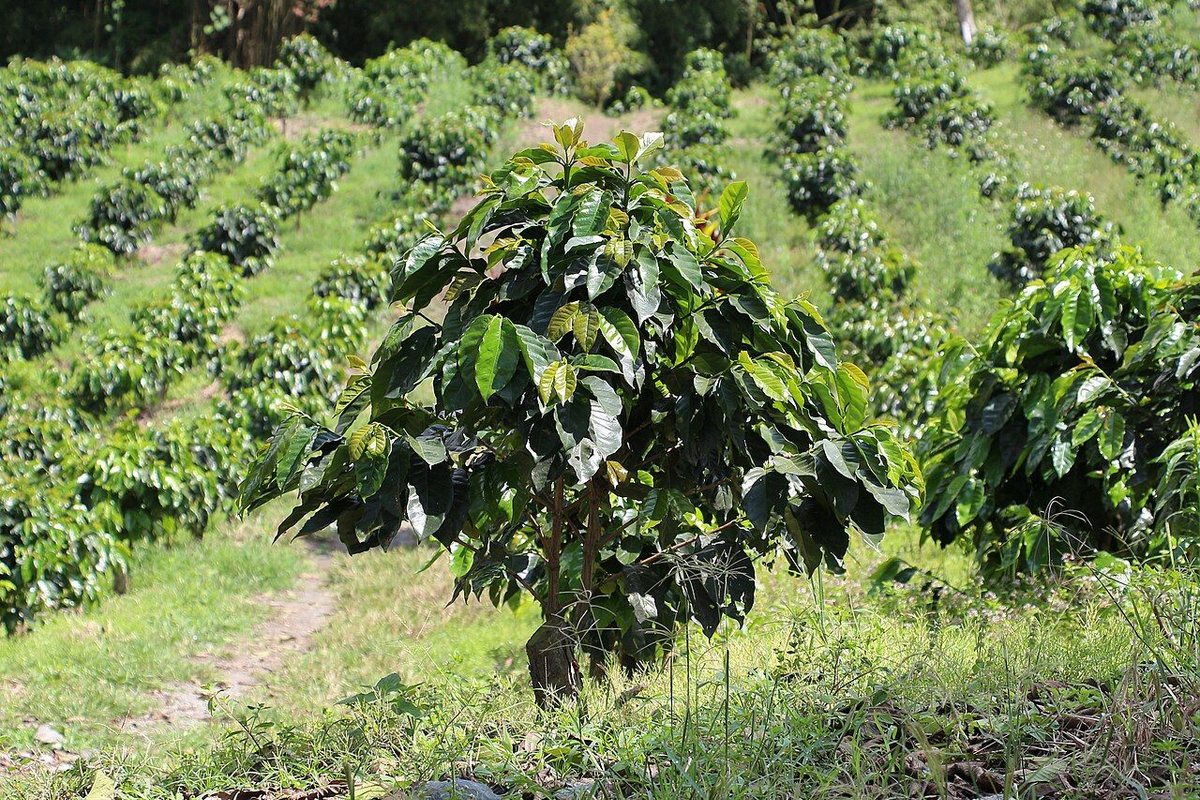
Known for heavy body, low acidity, chocolate and nut.. Mundo Novo is a natural hybrid of Typica (Sumatra) and Bourbon discovered in Brazil in the 1940s and selected by the IAC, named after the to
Pacamara
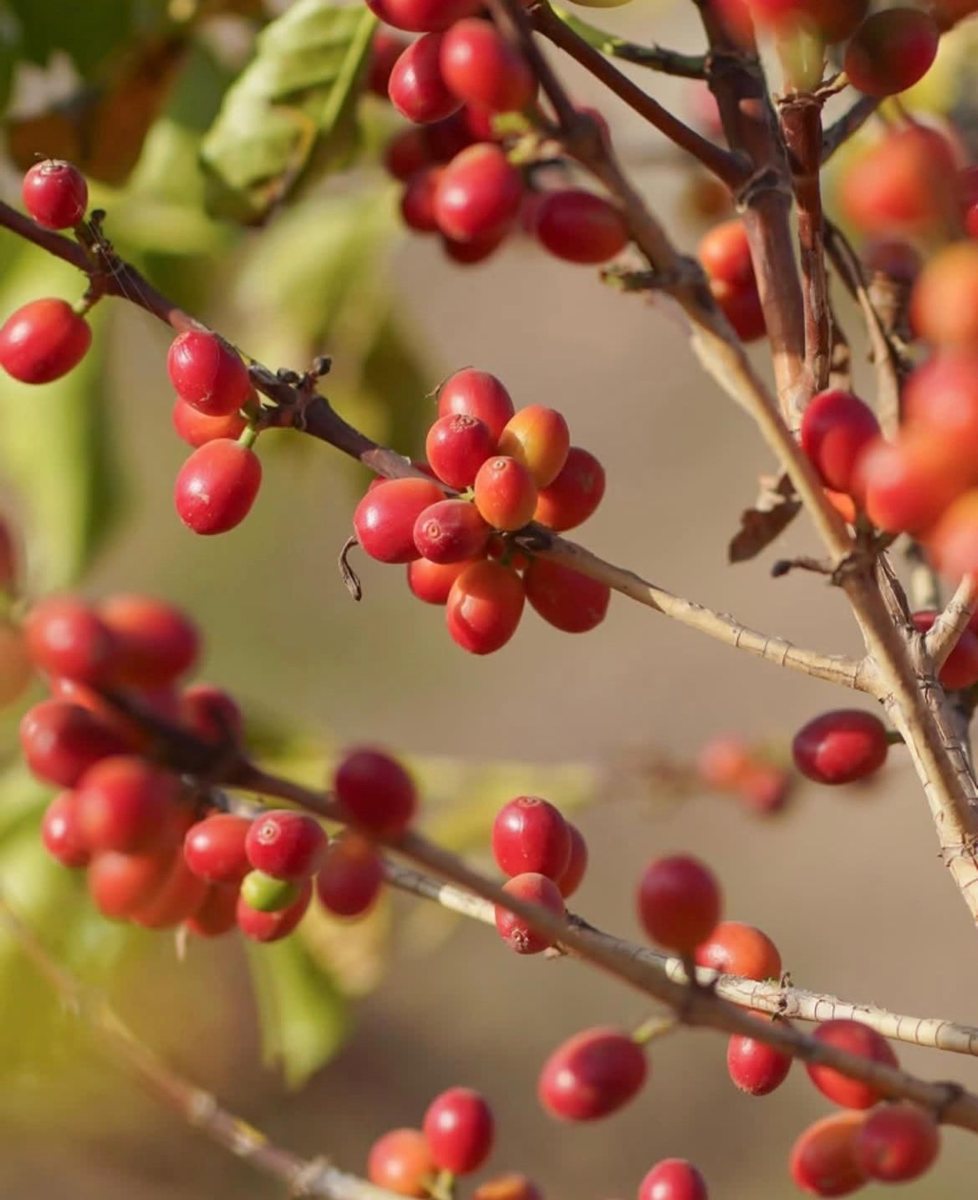
Known for big-bodied, complex; herbal, fruity, sometimes savory.. Pacamara is a deliberate cross of Pacas and the giant-beaned Maragogipe, created by El Salvador's ISIC (Salvadoran Institute for Coffee Rese
Pacas
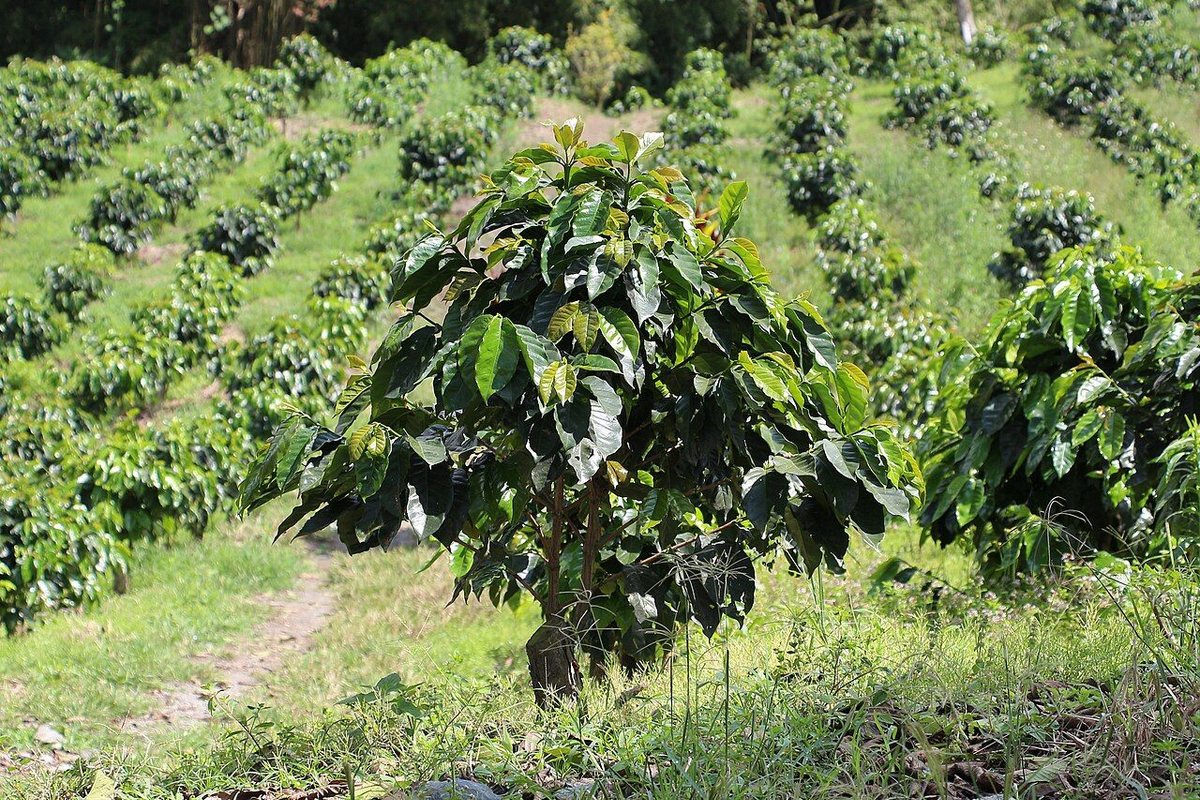
Known for sweet, balanced, soft acidity.. Pacas is a natural dwarf mutation of Bourbon discovered on the Pacas family farm in El Salvador in 1949 — the Bourbon equivalent of what Cat
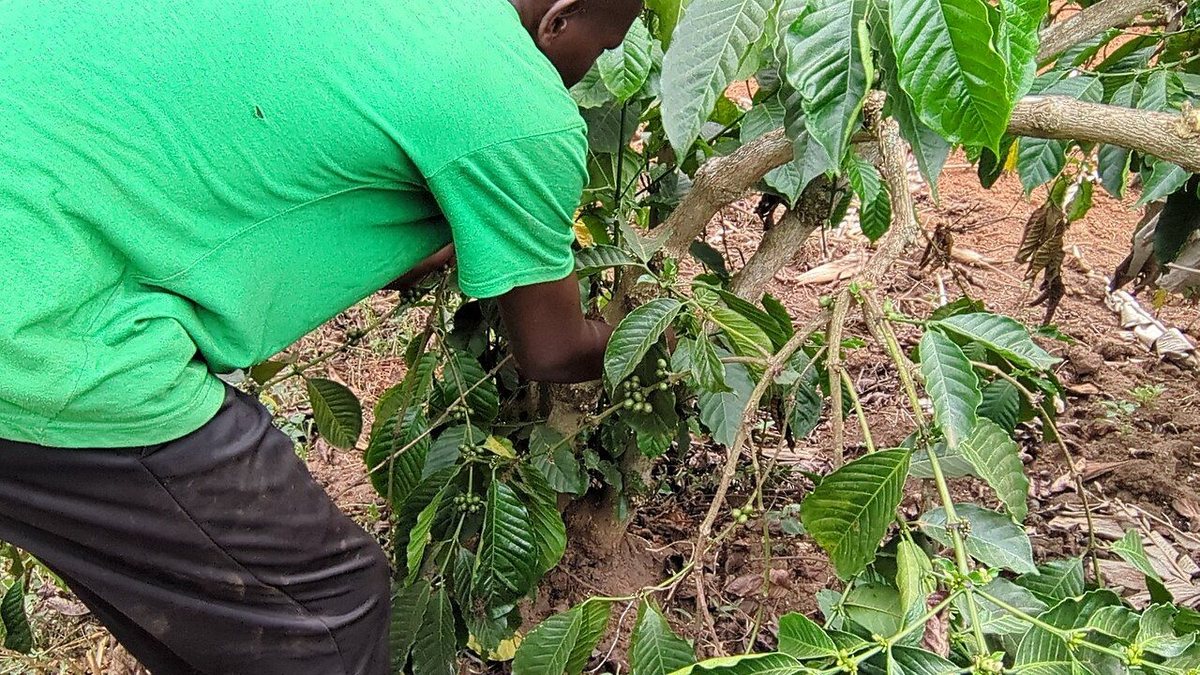
Pink Bourbon
Known for highly aromatic, floral, sweet, complex.. Pink Bourbon, which ripens to a distinctive pink cherry, became a sought-after specialty variety in Colombia's Huila and Nariño in the 2010s
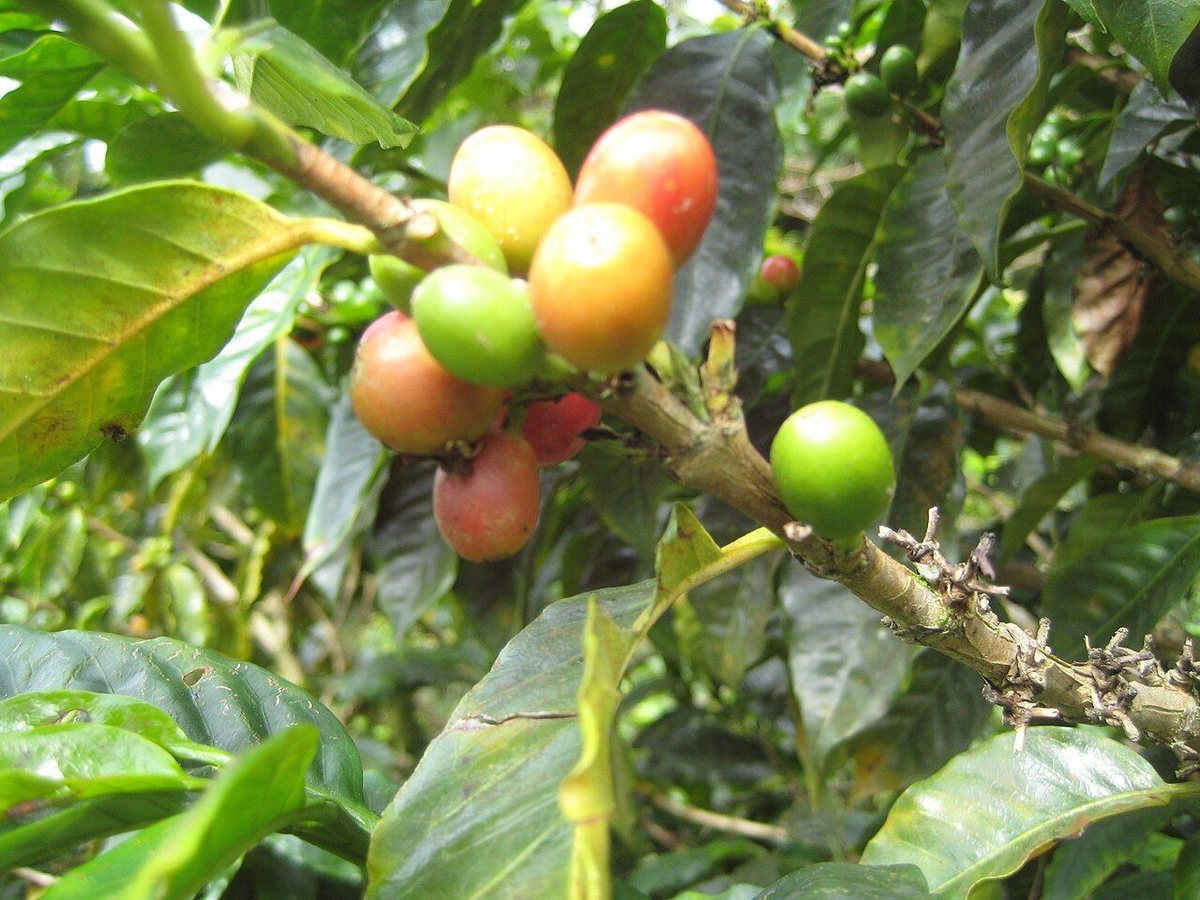
SL28
Known for blackcurrant, grapefruit, intense juicy acidity.. SL28 is a Bourbon-derived selection chosen at Kenya's Scott Agricultural Laboratories in 1931 for drought tolerance and quality. Deep-rooted
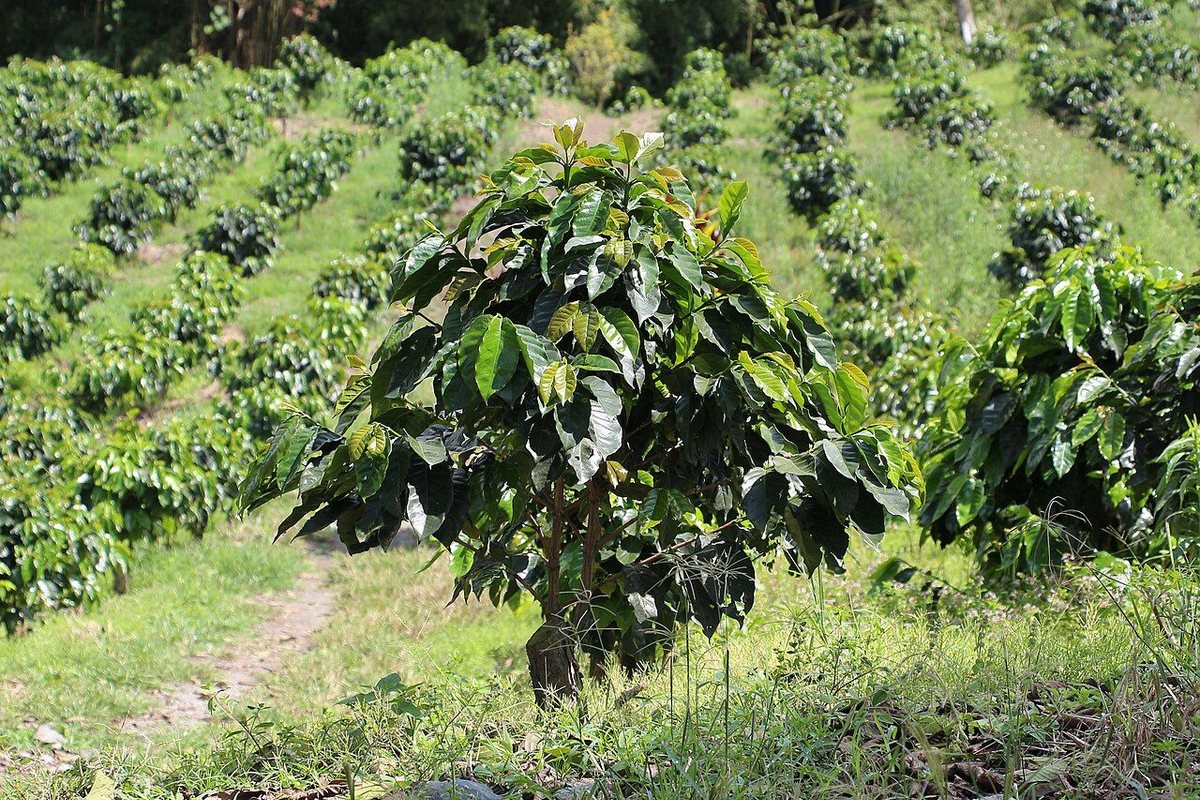
SL34
Known for rich, full-bodied, juicy acidity.. SL34, also selected at Scott Agricultural Laboratories in the 1930s, was chosen from a single tree and, unlike SL28, tolerates higher rainfa
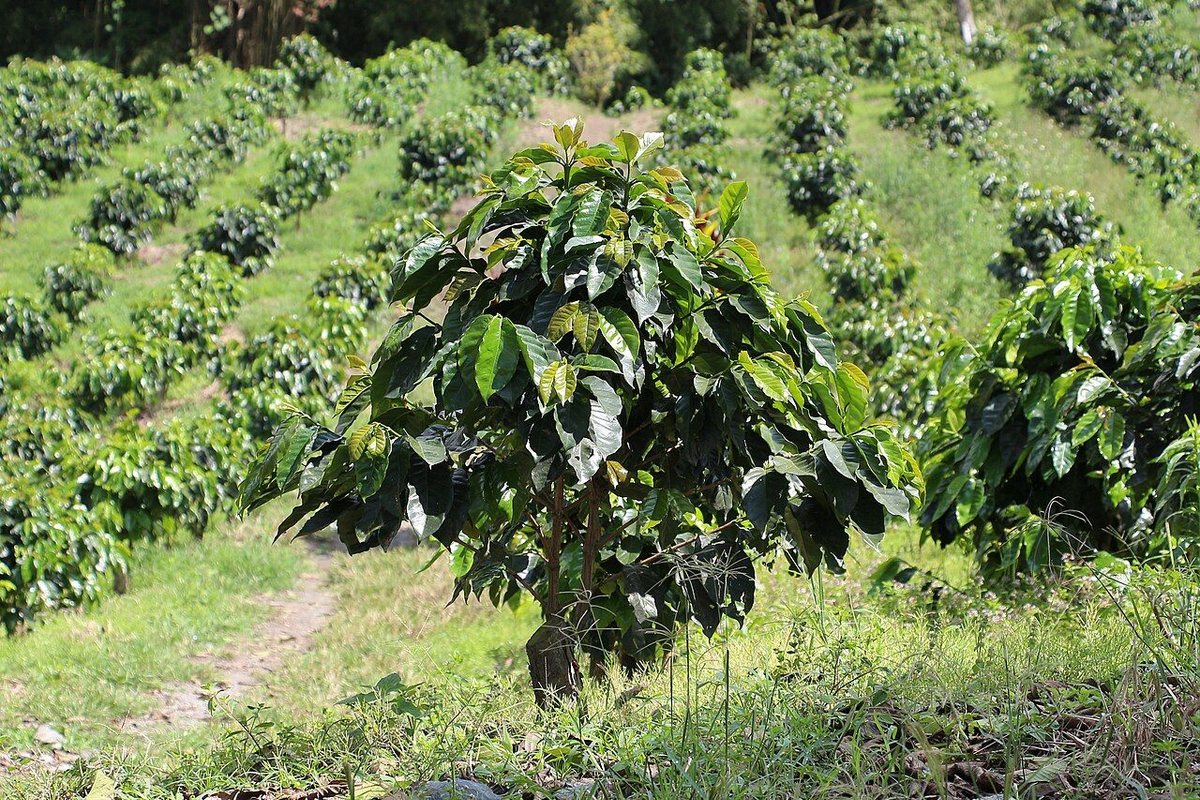
Tekisic
Known for sweet, clean, well-balanced with caramel.. Tekisic is an improved Bourbon selection developed by El Salvador's ISIC through mass selection over roughly two decades, released around 19
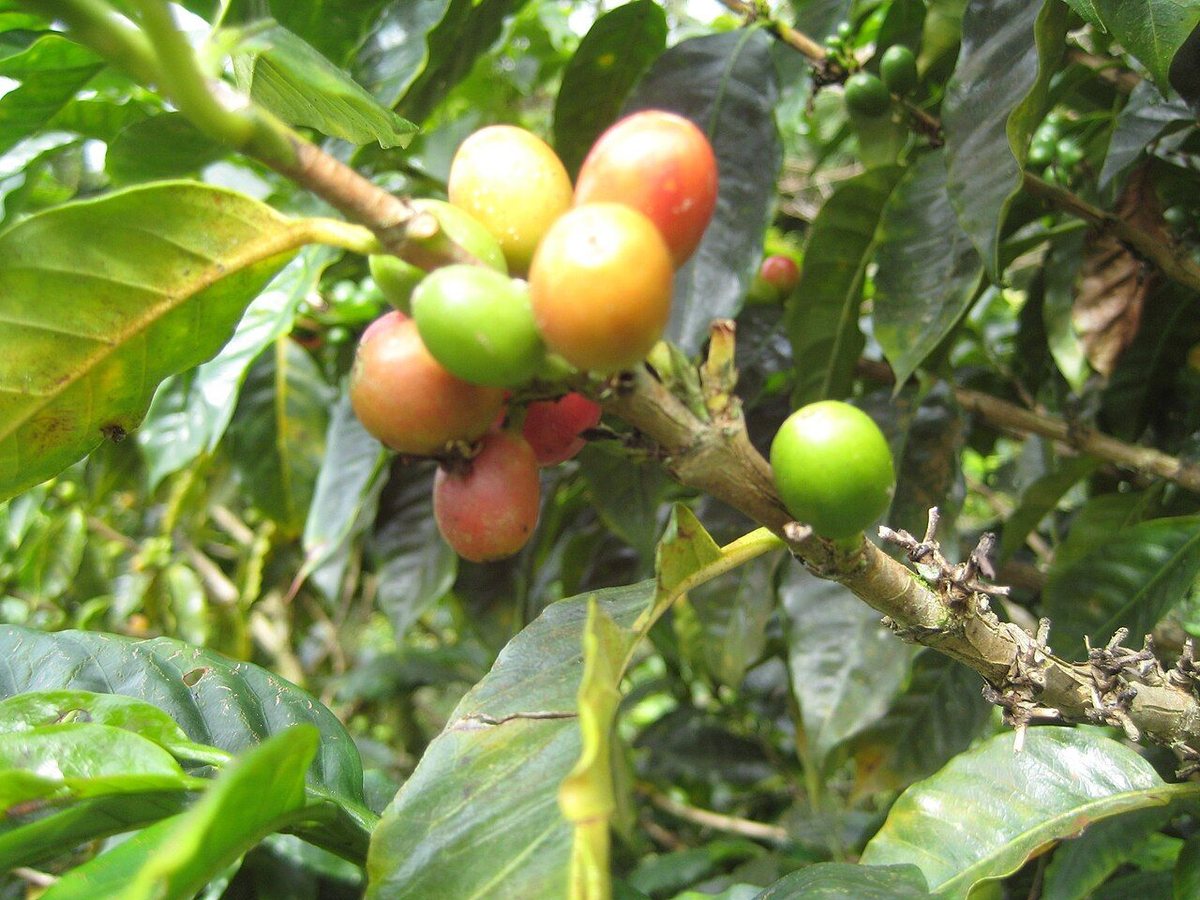
Villa Sarchi
Known for sweet, clean, bright acidity.. Villa Sarchi is a dwarf Bourbon mutation discovered in the West Valley town of Sarchí, Costa Rica, around the mid-20th century — another par
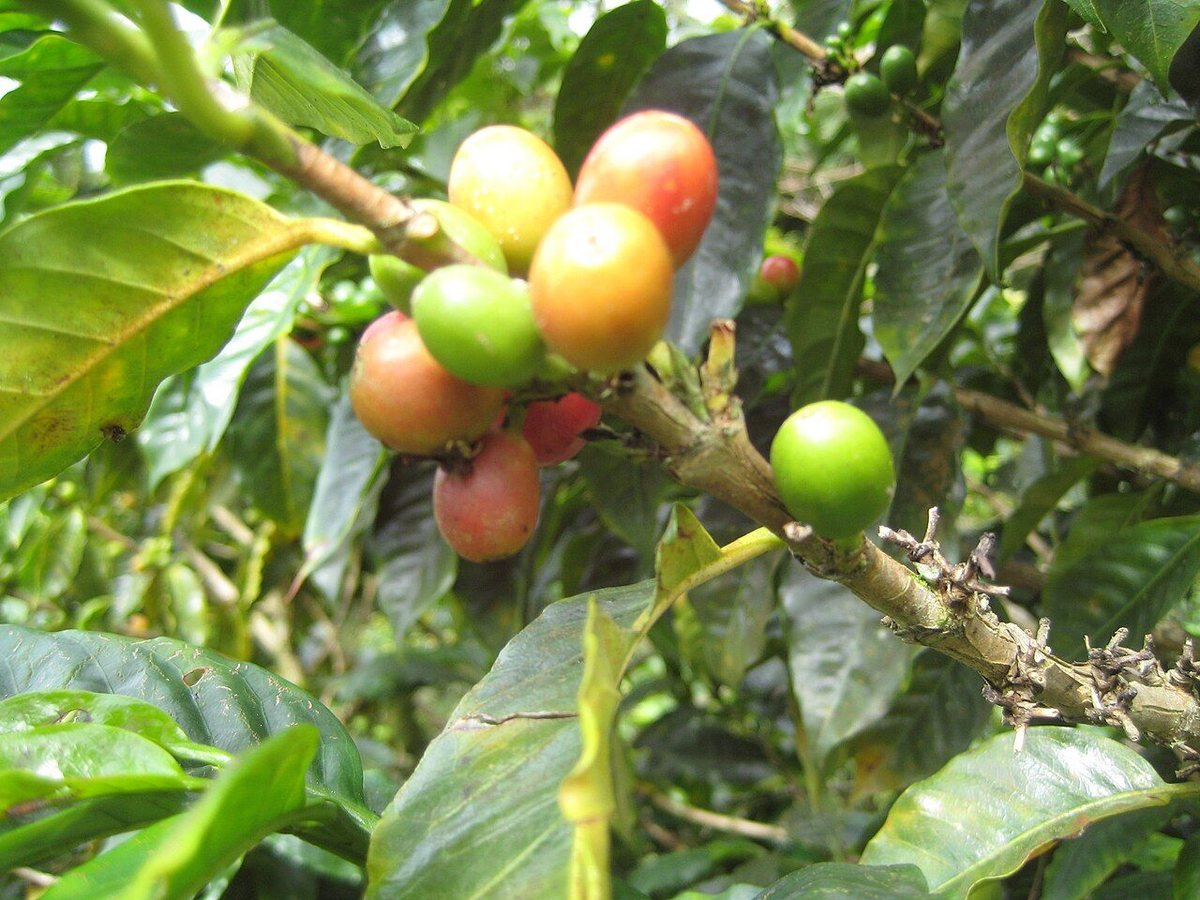
Villalobos
Known for sweet, clean, gentle acidity.. Villalobos is a Typica-derived selection associated with Costa Rica, valued for tolerance to drier conditions and a clean, sweet cup. Less w
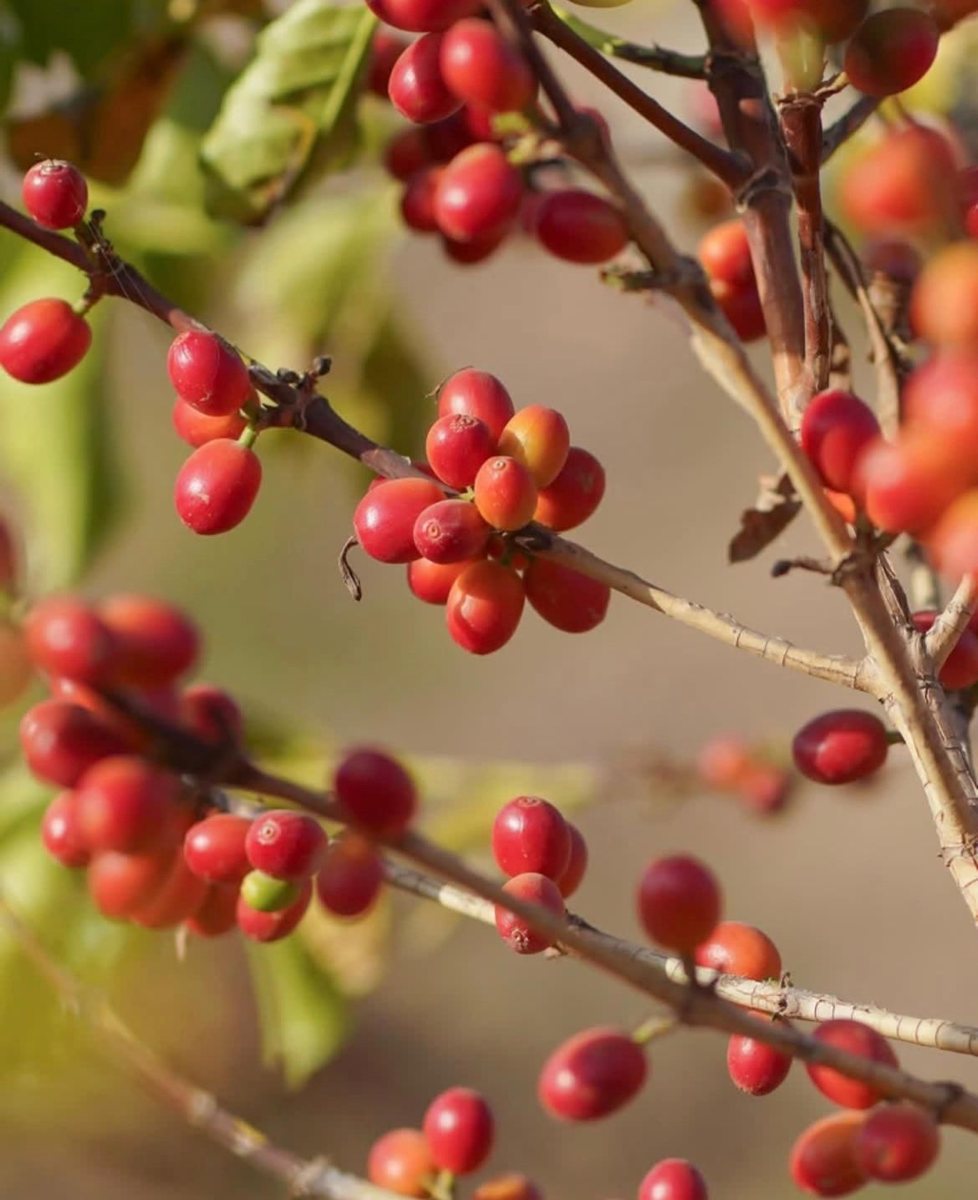
Yellow Bourbon
Known for sweet, smooth, rounded with mild acidity.. Yellow Bourbon arose in Brazil in the 1930s, apparently from a cross between a yellow-fruited Typica ('Amarelo de Botucatu') and red Bourbon
Frequently asked questions
- What is the difference between Bourbon and Typica?
- Bourbon and Typica are the two foundational Arabica cultivar lineages. Bourbon emerged as a natural mutation of Typica after plants were introduced to the island of Réunion (then Île Bourbon). Compared to Typica, Bourbon typically produces more fruit, has rounder cherries and broader leaves, and is celebrated for a sweeter, more complex cup character.
- Why is the Bourbon family so important in Latin American coffee?
- Bourbon arrived in Latin America when coffee farming was expanding rapidly, and its higher productivity relative to Typica made it the preferred choice. Its descendants — including Caturra, Catuaí, Mundo Novo, and Pacas — were adapted to a wide range of local conditions and are now the most widely planted specialty varieties across the region, prized for their sweetness and clean acidity.
- Is Caturra a type of Bourbon?
- Yes. Caturra is a natural, single-gene mutation of Bourbon that produces a compact, dwarf plant. It was discovered in Brazil and spread widely through Central America and Colombia because its smaller stature allows for denser planting and easier harvesting while retaining much of Bourbon's cup quality.
- Are SL28 and SL34 Bourbon varieties?
- Both SL28 and SL34, developed at the Scott Agricultural Laboratories in Kenya, are believed to carry significant Bourbon heritage. SL34 in particular has close Bourbon lineage. They are responsible for much of the distinctive complexity associated with Kenyan specialty coffee.
- What makes Pink Bourbon special?
- Pink Bourbon is a color mutation associated with cherries that ripen to pink and orange hues rather than the standard red. It has attracted significant attention in specialty coffee for its floral complexity and delicate fruit-driven cup profile, though research into its precise genetic identity is ongoing.
- What is Laurina or Bourbon Pointu?
- Laurina, also called Bourbon Pointu, is a naturally occurring low-caffeine mutation of Bourbon with distinctively pointed cherries. It was historically cultivated on Réunion island and is now being revived by specialty producers interested in its unusual flavor profile and reduced caffeine content.
See also