From the roaster
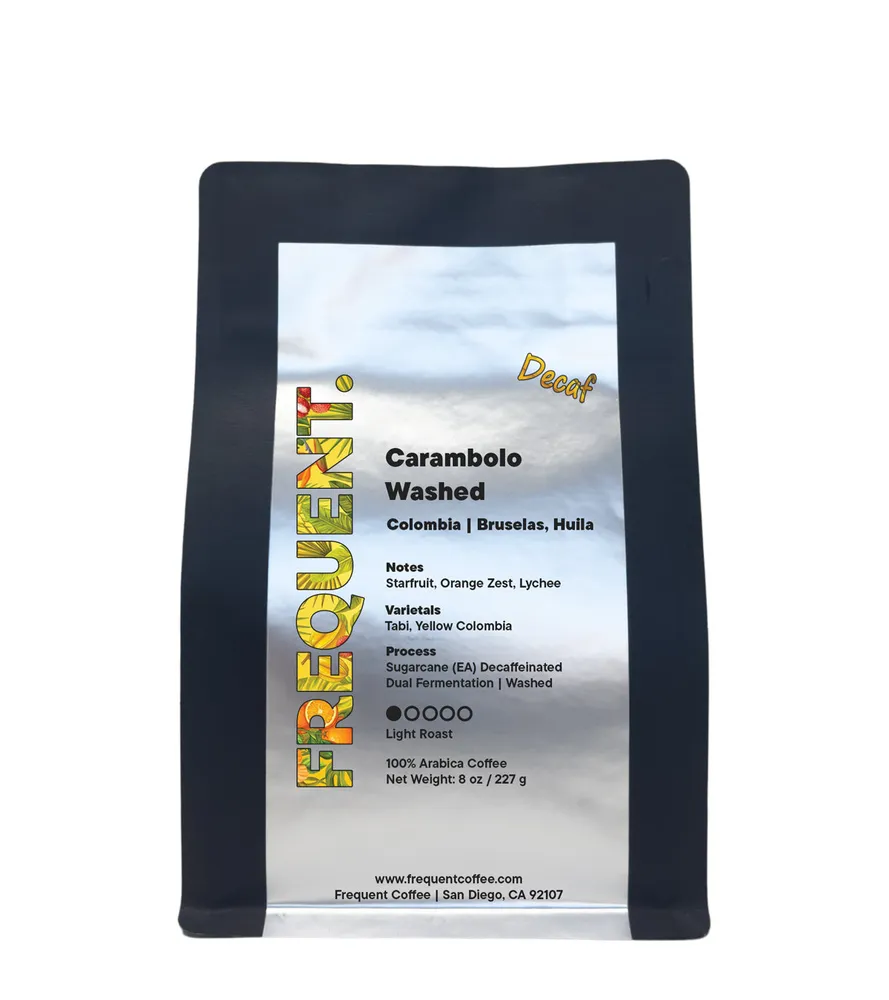
Carambolo takes its name from carambola, the Spanish word for starfruit, and the cup lives up to it.
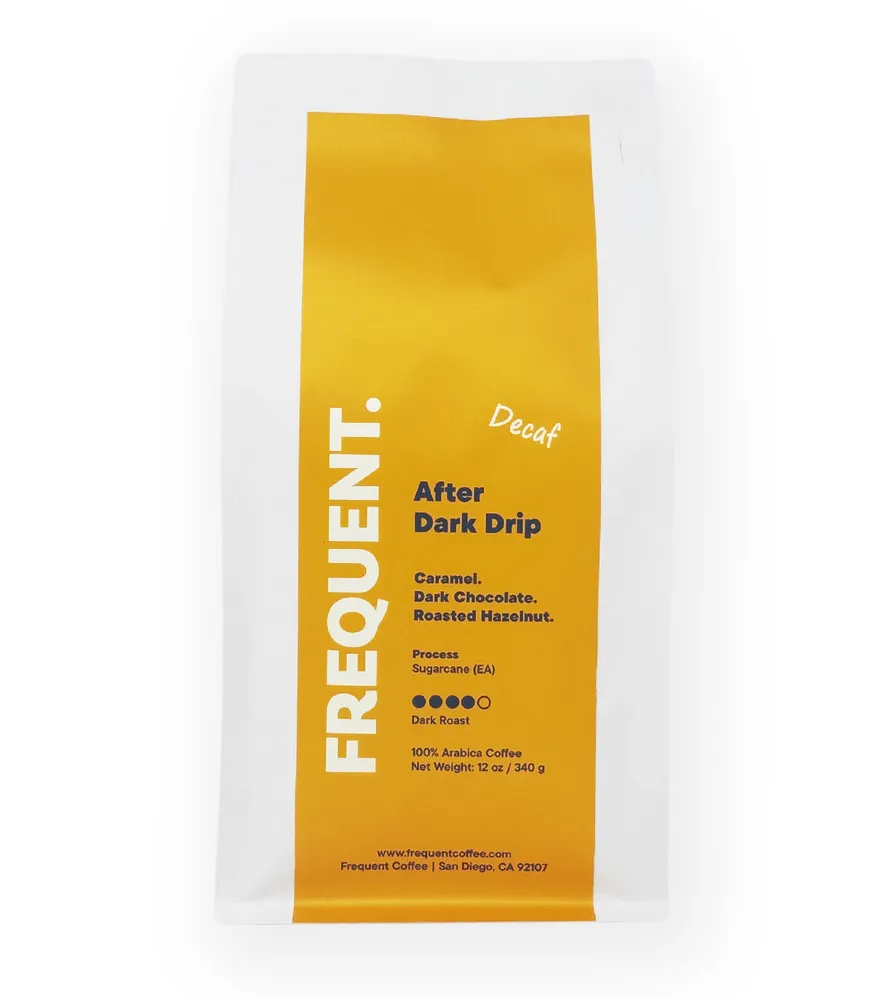
This regional lot from Bruselas, Huila was processed by Néstor and Adrián Lasso of El Diviso and Jhoan Vergara of Las Flores. It brings together Tabi and Yellow Colombia varieties grown between 1,780 and 1,900 meters. The coffee goes through a dual fermentation. It starts aerobic, with exposure to oxygen building its character, then moves into an extended anaerobic submersion that brings the fruit forward. A final hot and cold water quench preserves that profile before the coffee is sun-dried under a canopy, finished in a mechanical silo, and decaffeinated using the sugarcane (EA) method.
The result is a bright, juicy, tropical decaf with notes of starfruit, orange zest, lychee, and tropical fruit.
Note: Due to decaffeination, this coffee may appear darker on the exterior even when roasted lightly. Exterior color does not always reflect roast development.
Origin Details
-
Region: Bruselas, Huila, Colombia
Processed by: Néstor and Adrián Lasso (El Diviso), Jhoan Vergara (Las Flores)
-
Altitude: 1,780 to 1,900 meters
-
Variety: Tabi, Yellow Colombia
-
Process: Washed, aerobic and anaerobic fermentation, thermal shock
-
Drying: Sun-dried under canopy, finished in a mechanical silo
-
Decaffeination: Sugarcane (EA)
-
Resting Time: 2-4 days
Roast Level
Light
Flavor Notes
-
Starfruit
-
Orange Zest
-
Lychee
Processing Method
This lot is built on two fermentation stages with different jobs, finished with a thermal shock to hold onto what they create, then decaffeinated with sugarcane EA.
Aerobic Fermentation The coffee first ferments with exposure to oxygen. This stage builds the base character of the cup.
Anaerobic Fermentation Next comes an extended anaerobic submersion, where limiting oxygen highlights the fruit notes.
Thermal Shock A final quench in hot and cold water preserves the profile developed during fermentation.
Drying The coffee dries naturally in the sun under a canopy, then is brought to its final moisture in a mechanical silo.
Sugarcane (EA) Decaffeination Green coffee is decaffeinated using ethyl acetate derived from fermented sugarcane. The solvent binds selectively to caffeine and is flushed out with steam, leaving the sugar and acid structure of the bean largely intact. Trace caffeine remains, as it does in all decaf.
Why You Will Love It
-
Starfruit, orange zest, and lychee in a bright, juicy decaf
-
Dual fermentation, aerobic then anaerobic, finished with thermal shock
-
High-grown Tabi and Yellow Colombia from Bruselas, Huila
Resting Time
2-4 days
— Frequent Coffee
Tasting notes
- Starfruit
- Orange Zest
- Lychee
As listed by Frequent Coffee.
Origin & producer
Process & variety
Roast & brewing
- Roast
- Light
- Acidity
- not stated
- Bag size
- 227 g